Request Job Estimate
 Tap to Call
Introduction
Once considered a niche fixture associated primarily with continental European and Japanese bathrooms, the growing popularity of bidets is now a genuinely global phenomenon. In the UK, interest has risen steadily over the past several years, driven by increasing awareness of personal hygiene, a collective shift towards more sustainable living, and a broader desire for comfort-led bathroom upgrades. The toilet paper shortages of 2020 acted as an unexpected catalyst, prompting millions of households to reconsider how they approach bathroom hygiene. Combined with advances in modern bathroom technology, changing attitudes towards eco-conscious living, and a growing premium bathroom renovation market, bidets have moved firmly from novelty to necessity for a growing number of homeowners across the world.
Key Takeaways
- ✓ Bidet use per session requires 0.5–1.5 litres of water, versus approximately 140 litres consumed in producing a single roll of toilet paper
- ✓ Modern bidet seat attachments are retrofit-compatible with most standard UK toilets and require no bathroom remodelling
- ✓ Electronic smart toilet seats require both water supply and electrical connections — professional installation is recommended
- ✓ Bidets offer practical hygiene and comfort benefits for all household members, including children, elderly users, and those with limited mobility
- ✓ The 2020 toilet paper shortage marked a measurable and lasting turning point in Western bidet adoption rates
A Brief History: From French Origins to Global Bathroom Fixture
The bidet has a surprisingly long history. Originating in France in the late 17th century, it was initially a freestanding basin used for personal hygiene following toilet use. For centuries, it remained predominantly a fixture within French, Italian, and broader southern European bathrooms, largely absent from British and American homes where cultural habits and bathroom design norms simply did not accommodate it.
Japan accelerated the bidet's evolution dramatically. The introduction of the electronic toilet seat in the 1980s transformed what was once a basic basin into a sophisticated piece of bathroom innovation. Heated seats, adjustable water pressure, air drying functions, and self-cleaning nozzles became standard features within Japanese homes, creating an entirely new category of bathroom comfort.
Today, the bidet toilet has shed its old-fashioned associations. Contemporary models range from simple bidet attachments that fit beneath an existing toilet seat to fully integrated smart toilet systems offering a genuinely luxurious bathroom experience. For homeowners exploring professional bidet installation services, the range of options now available is broader and more accessible than at any previous point in history.
Why Are Bidets Becoming Popular Now?
Several converging factors explain the bidet popularity increase observed across Western markets, including the UK.
The 2020 Turning Point
When global toilet paper shortages emerged during the COVID-19 pandemic, many households were forced to explore alternatives for the first time. Bidet sales spiked dramatically in the United States, the UK, and across Europe. Many first-time users discovered practical hygiene benefits they had not previously considered, and purchasing habits shifted accordingly.
Rising Environmental Awareness
The environmental impact of toilet paper production has become increasingly difficult to ignore. Manufacturing a single roll of toilet paper requires approximately 140 litres of water, involves significant deforestation, and generates considerable carbon emissions through production and transportation. By contrast, a bidet uses a comparatively small amount of water per use — typically between 0.5 and 1.5 litres — positioning it as a meaningfully more sustainable option for eco-conscious households.
The Premium Bathroom Renovation Market
Contemporary home improvement culture places increasing value on bathroom design and comfort. Modern bathrooms are no longer purely functional spaces; they are considered extensions of personal wellbeing. Bidets, particularly electronic and smart toilet varieties, have become associated with high-end bathroom design, attracting homeowners undertaking modern bathroom installation projects who want to combine aesthetics with practical hygiene benefits.
Accessibility and Inclusivity
Healthcare professionals and occupational therapists have increasingly recognised the practical benefits bidets offer for older adults, individuals with limited mobility, and those managing certain medical conditions. The ability to cleanse effectively without physical strain makes bidet toilets a genuinely valuable accessibility tool within the modern home.
Health and Hygiene Benefits of Bidets
One of the most compelling arguments driving bidet adoption is hygiene. Water-based cleaning is inherently more thorough than toilet paper alone. This is not a contested point — the principle is straightforward: liquid removes residue more effectively than a dry material.
From a hygiene perspective, regular bidet use has been associated with reduced irritation for individuals prone to haemorrhoids, reduced risk of urinary tract infections in women, and improved comfort for those managing conditions such as inflammatory bowel disease or post-surgical recovery. It is important to note that these are practical comfort considerations rather than medical claims — anyone managing a specific health condition should always seek guidance from their GP or healthcare provider.
For family homes, the hygiene argument is particularly persuasive. Teaching children effective personal hygiene habits from an early age is straightforward with a bidet installed, and parental confidence in bathroom cleanliness increases accordingly.
Bidet Benefit vs Everyday Practical Advantage
| Bidet Benefit | Everyday Practical Advantage |
|---|---|
| Water-based cleaning | More thorough hygiene than dry paper alone |
| Adjustable water pressure | Suitable for sensitive skin and all age groups |
| Reduced toilet paper use | Lower household running costs over time |
| Heated seat options | Enhanced comfort, particularly in winter months |
| Self-cleaning nozzle technology | Reduced maintenance and improved hygiene |
| Accessibility features | Practical solution for elderly and mobility-restricted users |
Bidet vs Traditional Toilet Paper: An Environmental Comparison
| Factor | Bidet | Toilet Paper |
|---|---|---|
| Water use per use | 0.5–1.5 litres | ~140 litres (production per roll) |
| Ongoing material cost | Minimal after installation | Recurring household expense |
| Environmental footprint | Low | Deforestation, chemicals, transport |
| Drain blockage risk | Very low | Higher risk (particularly with wet wipes) |
| Sewer system impact | Minimal | Significant if non-flushable products used |
The bidet vs toilet paper environmental impact comparison demonstrates clearly why eco-conscious households are increasingly receptive to making the switch. Reduced paper consumption alone translates to meaningful savings in household expenditure over the long term, making the initial installation cost far easier to justify.
Technological Advancements: The Modern Bidet Evolution
Today's bidet toilet seats and smart toilet systems bear little resemblance to their historical counterparts. The modern bidet evolution has produced fixtures that integrate seamlessly with contemporary bathroom design, offering features that would have seemed extraordinary to previous generations.
Key technological developments include:
- Adjustable water temperature and pressure — allowing personalised comfort for every household member
- Warm air drying functions — eliminating the need for toilet paper entirely in many cases
- Deodorisers and air purification systems — improving overall bathroom comfort
- Instant-heating seat technology — removing the shock of a cold seat during winter months
- Self-cleaning and antimicrobial nozzles — maintaining hygiene standards between uses
- Remote control and app integration — enabling full personalisation via smartphone or panel
For homeowners exploring which product suits their space, understanding the different types of modern bidets available — from standalone units to bidet toilet seat attachments and integrated smart toilets — is an essential first step before consulting a plumbing professional.
Cultural Adoption Trends: Why Western Countries Are Finally Embracing Bidets
Bidet adoption in Western bathrooms has historically lagged behind East Asia and southern Europe. Cultural inertia, bathroom design conventions, and simple unfamiliarity have all played a role. However, why Americans are switching to bidets — and why British homeowners are increasingly following — comes down to one straightforward dynamic: once people actually try a bidet, adoption rates are high.
Consumer surveys in the United States have consistently shown that the majority of first-time bidet users continue using them after purchase. The UK market reflects a similar pattern. Growing media coverage, social media discussion, and increased product availability through mainstream retail channels have all lowered the barrier to first-time adoption significantly.
Compact bidet seat attachments, in particular, have proven popular in urban settings such as modern flats and smaller city-centre bathrooms where space is limited. These retrofit solutions require no significant bathroom remodelling and can be integrated into existing bathroom plumbing solutions without major disruption.
Common Misconceptions About Bidets
Despite growing adoption, a number of persistent myths continue to deter potential first-time users.
"Bidets are unhygienic." This is perhaps the most common misconception, and it is directly contradicted by basic hygiene logic. A bidet uses a clean, directed stream of water to cleanse — the same principle applied when washing any other part of the body. Self-cleaning nozzles and enclosed designs in modern models maintain hygiene standards effectively.
"Bidets waste water." As the environmental comparison above illustrates, the water used per bidet session is a fraction of the water consumed during toilet paper production. Over the lifetime of a household, bidet use represents a net environmental saving.
"Bidets are complicated to install." Modern bidet seat attachments are straightforward retrofit products. Integrated smart toilet systems require professional plumbing installation, but the process is far less disruptive than many homeowners anticipate.
"Bidets are only for the elderly or unwell." Modern bathroom design and marketing have entirely dispelled this association. Bidets are now positioned as a premium comfort and hygiene upgrade for any household, irrespective of age or health status.
UK Bathroom Trends: Where Does the Bidet Fit?
The UK bathroom renovation market has evolved considerably over the past decade. Homeowners are investing more thoughtfully in bathroom design, prioritising fixtures that combine function, aesthetics, and long-term value. Bidets — particularly integrated smart toilet options — align well with the contemporary desire for a refined, spa-inspired bathroom environment.
In family homes, the hygiene and accessibility benefits resonate strongly. In renovated bathrooms and luxury settings, the smart technology and design integration appeal to homeowners seeking a contemporary, distinctive space. Even in compact urban bathrooms, bidet seat attachments offer a meaningful hygiene upgrade without requiring structural changes.
For those planning a broader bathroom renovation or seeking expert guidance on integrating a bidet into an existing space, working with experienced home plumbing specialists ensures the installation is completed correctly, safely, and in compliance with UK plumbing regulations.
Is a Bidet Right for Your Home?
Practical Checklist: Before Making the Switch
- Assess your existing toilet and available space for a bidet attachment or standalone unit
- Determine whether your bathroom has an accessible water supply point for connection
- Consider whether a bidet seat attachment or integrated smart toilet better suits your needs and budget
- Review the electrical requirements if considering an electronic seat model
- Consult a qualified plumber to assess installation requirements specific to your property
- Research available products to match your bathroom's existing aesthetic and design
Frequently Asked Questions
Why are bidets becoming more popular in the UK?
A combination of increased environmental awareness, hygiene consciousness, premium bathroom renovation trends, and greater product availability has driven bidet adoption across UK households. The toilet paper shortages of 2020 also prompted many homeowners to explore water-based cleansing alternatives for the first time.
Are bidets more hygienic than toilet paper?
Water-based cleaning is generally considered more thorough than dry paper alone. Bidets cleanse effectively without risk of irritation associated with repeated paper use. Modern bidet nozzles are self-cleaning, maintaining hygiene standards between uses.
How much does a bidet cost to install in the UK?
Costs vary significantly depending on the type of bidet chosen. Basic bidet seat attachments can cost from around £30–£150 for the unit itself. Integrated electronic smart toilet seats range from £200 to over £1,000. Professional installation costs will vary depending on existing plumbing configuration and property type.
Do bidets increase household water bills significantly?
No. The water used per bidet session is minimal — typically between 0.5 and 1.5 litres. The increase to household water bills is negligible, particularly when offset against reduced toilet paper expenditure over time.
Can a bidet be fitted to any existing toilet?
Bidet seat attachments are compatible with most standard toilet designs, though it is advisable to confirm compatibility before purchase. Integrated smart toilets replace the existing toilet unit entirely and require professional installation and plumbing assessment.
Are bidets suitable for children?
Yes. Many bidet models offer adjustable water pressure and temperature settings suitable for children. Introducing children to bidet use can help establish effective personal hygiene habits from an early age.
What maintenance does a bidet require?
Modern bidet seats and attachments require minimal maintenance. Self-cleaning nozzles operate automatically. External surfaces should be wiped regularly as part of standard bathroom cleaning. Periodic checking of water connections is advisable, as with any bathroom fixture.
Are bidets environmentally friendly?
Yes, comparatively. Bidets use significantly less water per use than is consumed in the production of toilet paper. Reduced paper consumption also decreases household contribution to deforestation and associated carbon emissions.
What is the difference between a bidet attachment and a smart toilet seat?
A bidet attachment fits beneath an existing toilet seat and provides basic water-cleansing functionality. A smart toilet seat replaces the existing seat entirely and typically offers additional features such as heated seating, warm air drying, adjustable pressure, and deodorising functions.
Is professional installation necessary for a bidet?
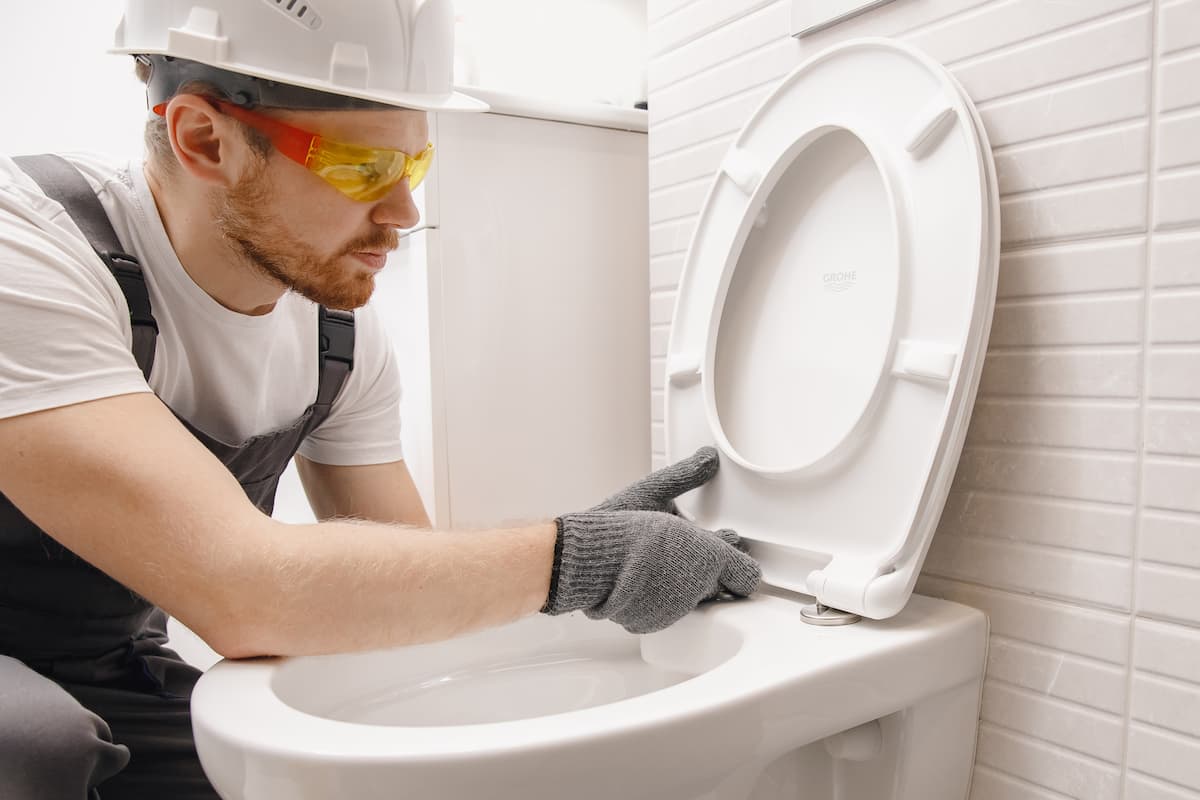
Simple bidet attachments can often be self-installed by homeowners with basic DIY confidence. Electronic smart toilet seats require electrical connections in addition to water supply connections, and integrated smart toilets should always be installed by a qualified plumber to ensure compliance with UK building regulations and water supply standards.
Thinking About Making the Switch?
If you are considering adding a bidet to your bathroom — whether as a simple retrofit attachment or as part of a broader bathroom renovation — taking the time to understand your options is always worthwhile. Explore our guidance on professional bidet installation services to learn more about what is involved, or speak with our team about your specific bathroom setup. For wider bathroom renovation enquiries, our bathroom plumbing services page outlines the range of services available to London homeowners looking to modernise their spaces thoughtfully and professionally.
Safety Disclaimer
The information provided in this article is intended for educational and informational purposes only. Bathroom fixture specifications, plumbing requirements, and installation complexity vary depending on property type, existing pipework, and local building regulations. Always seek professional advice from a qualified, registered plumber before undertaking any bathroom modifications or new fixture installations. Do not attempt electrical or plumbing connections without appropriate qualifications.