Request Job Estimate
 Tap to Call


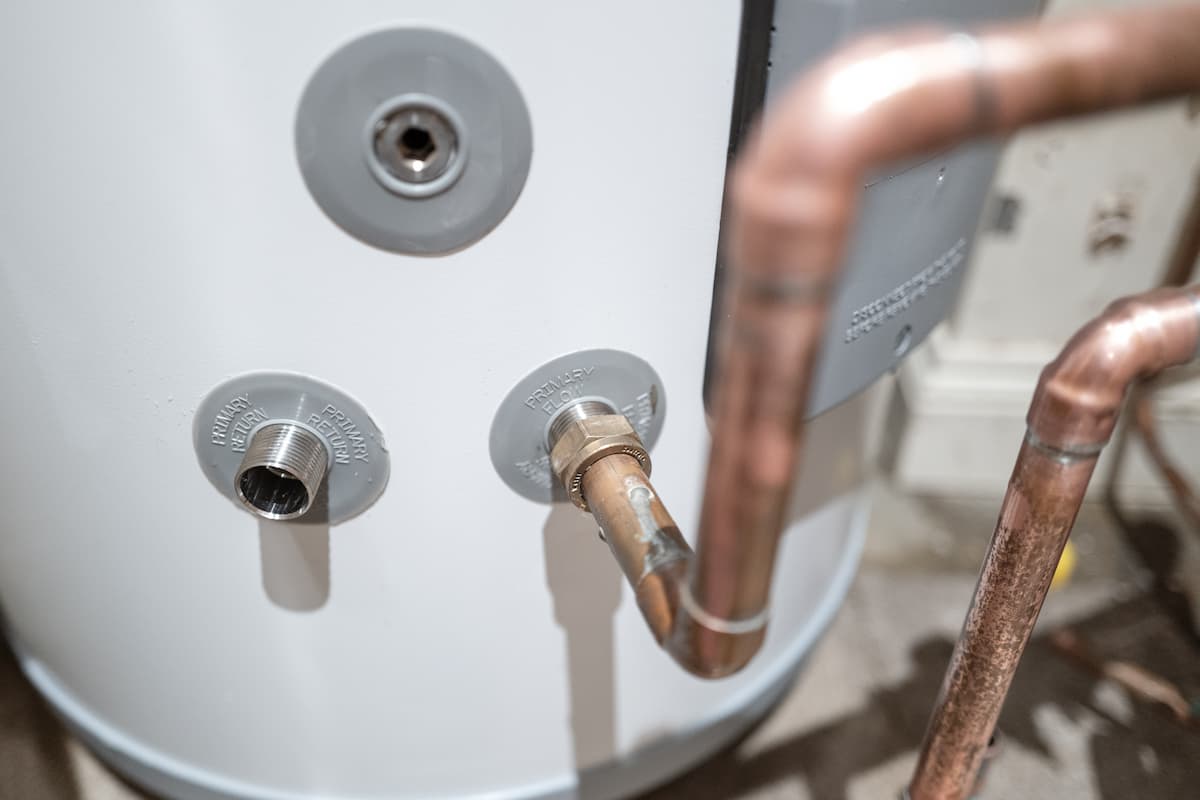
An immersion heater timer lets you schedule when a compatible electric heating circuit can heat water in a hot water cylinder. Choosing the right immersion heater timer can make hot water easier to manage around household routines, but the control must suit the existing heater, wiring and cylinder arrangement. Mechanical and digital models offer different levels of flexibility, while a boost function can provide an extra heating period when plans change. This guide explains how timers work, what to check before buying one, and when to ask a qualified electrician to assess the installation.
What does an immersion heater timer do?
An immersion heater timer switches power to a compatible heating circuit according to a schedule. It can help limit heating to periods when hot water is likely to be needed, such as before the household gets up or returns home. Depending on the system, the timer may control one element, a circuit serving a contactor, or a particular heating period on a dual-element cylinder.
The timer is not a temperature control. The thermostat on the immersion heater regulates water temperature, and the timer does not confirm that the water has reached the intended temperature or that the wider system is working properly. For background on immersion heater systems and services, see our related guide.
Which types of immersion heater timer are available?
The main options are mechanical, digital and programmable timers. The best immersion heater timer is the one that matches the electrical setup and the household's routine—not necessarily the one with the most features.
| Timer type | How it works | Useful considerations |
|---|---|---|
| Mechanical | A clock dial and movable segments set on and off periods. | Simple controls, but schedules may be less flexible and the clock may need resetting after an outage. |
| Digital | Buttons or a display set the time and heating periods. | Often offers clearer scheduling; check how the clock and programme behave after power loss. |
| Programmable | Allows different schedules, such as separate settings by day. | Can suit changing routines, but setup and compatibility should be checked before purchase. |
A digital immersion heater timer may be sold as a digital immersion timer, immersion heater clock, or water heater time switch. Names vary by manufacturer, so compare the actual functions, electrical rating and installation requirements rather than relying on the product label.
Some hot water timer switches are designed for other types of water heater and are not suitable for every immersion circuit. Compatibility depends on the equipment and electrical arrangement, not just the timer’s name.
For wider background on immersion heater operation, see our guide to the element and thermostat in a domestic cylinder.
How does a boost function work?
A boost function provides a temporary heating period outside the regular schedule. Depending on the immersion heater timer switch with boost, it may run for a preset duration or remain on until switched off. Read the manufacturer’s instructions so you know how the chosen model ends the boost period.
An immersion timer with boost can be useful when visitors arrive or hot water demand is higher than usual. It does not make the element heat faster; it gives the system additional time to operate. If hot water repeatedly runs out, the cause might instead be the thermostat, element, cylinder size, control arrangement or another part of the system.
How should you choose a timer for your household?
Start with the household’s typical hot water use. A predictable morning routine may suit a simple daily schedule, while shift work or changing occupancy may make separate weekday and weekend programmes more convenient. A timer can reduce unnecessary operating periods, but it cannot guarantee lower bills: energy use depends on the system, hot water demand, insulation, electricity tariff and how the controls are set.
Before buying a hot water tank timer or immersion timer switch, check:
- The existing equipment: identify the immersion element, thermostat, controls and whether the cylinder has one or more elements.
- The circuit arrangement: establish whether the timer switches the heater directly or controls a separate contactor, and whether an off-peak circuit is involved.
- Electrical ratings and switching: confirm the proposed timer is suitable for the load and type of circuit. A general-purpose timer may not be rated to switch an immersion element directly.
- The desired schedule: decide whether daily on/off periods, different days, or a temporary boost are genuinely useful.
- Manufacturer guidance: check the instructions for the heater and timer, including any requirements for the switching method or installation.
Product names such as immersion boiler timer, immersion time switch, immersion heater controller and timed water heater control are not proof of compatibility. A timer advertised as a water heater timer switch or one of the time switches for immersion heaters still needs to match the specific installation. For advice on immersion heater installation and maintenance, have the existing equipment assessed before choosing a replacement control.
How do timer settings affect hot water and energy use?
Set heating periods to allow the system to meet normal demand without leaving it enabled for longer than needed. Consider how many people use hot water, when showers or baths are usually taken, and whether demand changes at weekends. Make small adjustments based on actual availability rather than repeatedly adding long heating periods.
The timer controls when the circuit is available; the thermostat controls the water temperature. A timer may switch off before the water has fully reheated if the schedule is too short, or leave the circuit enabled while the thermostat has already stopped the element at its set temperature. Neither situation can be diagnosed from the timer display alone.
If a property uses an off-peak tariff or separate upper and lower elements, the control scheme may be more involved than a single hot water timer. Consider how the hot water cylinder system and its existing controls work together before changing a schedule.
What should you check before replacing a timer?
Do not assume that a timer with the same appearance or mounting size is an electrical match. A replacement needs to suit the heater circuit, control arrangement, supply and manufacturer instructions. This is especially important in flats, rental properties and older London homes, where controls may have been modified or an off-peak supply may be present.
If the timer has no display, loses its settings, fails to switch at the programmed time, or appears damaged, note what happens and when. A timer fault is one possibility, but a tripped protective device, thermostat cut-out, failed element or supply issue can produce similar symptoms. Repeatedly resetting a tripping circuit or fitting a different immersion heater timer switch without identifying the cause can leave the underlying fault unresolved.
Electrical installation, replacement and wiring changes should be handled by a suitably qualified electrician. Do not remove covers or handle wiring. If the problem may extend beyond the control, seek water heater repair services.
Frequently asked questions
Can an immersion heater timer reduce electricity use?
It can limit when a compatible circuit is available to heat water, which may avoid unnecessary heating periods. Actual electricity use and cost depend on the household’s demand, system, insulation, controls and tariff; a timer does not guarantee savings.
Can I fit a timer to any immersion heater?
No. The timer must be compatible with the element, circuit, electrical load and control arrangement. Have a qualified electrician check the installation and manufacturer requirements before choosing or replacing a timer.
Is a digital immersion heater timer better than a mechanical one?
Not for every household. Digital models can offer more scheduling options, while mechanical timers may be simpler to set. Choose based on the schedule you need, ease of use and verified compatibility.
What does the boost button do on a hot water timer?
It enables an additional heating period outside the usual programme. The duration and switch-off behaviour vary by model, so consult its instructions and avoid assuming that every boost is timed in the same way.
Why is there still no hot water when the timer is on?
The timer only controls a heating period. A supply issue, thermostat, element, protective cut-out or other system fault could still prevent heating. If the problem persists, have the system assessed rather than repeatedly resetting controls.
Should I leave the immersion heater timer on all day?
Follow the equipment instructions and set a schedule suited to your hot water use. The timer being enabled does not necessarily mean the element heats continuously, because the thermostat controls temperature, but a long schedule may not be necessary for every household.
Disclaimer
This article is for general information and is not a substitute for advice on your specific system. Immersion heaters, timers and wiring arrangements vary by property and manufacturer. Check the equipment instructions before use. Electrical installation, inspection or repair should be carried out by a suitably qualified professional.
Written Date: 2026-10-29 | Next Review Date: 2027-10-29