Request Job Estimate
 Tap to Call


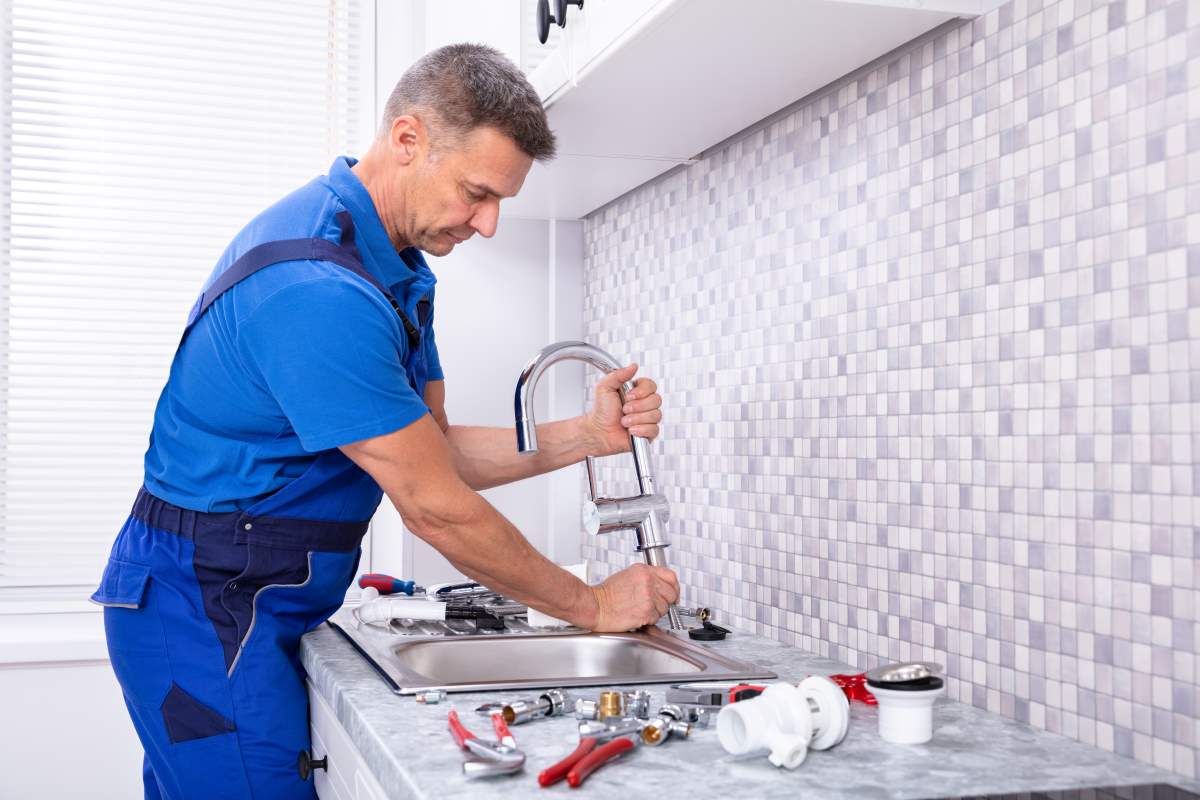
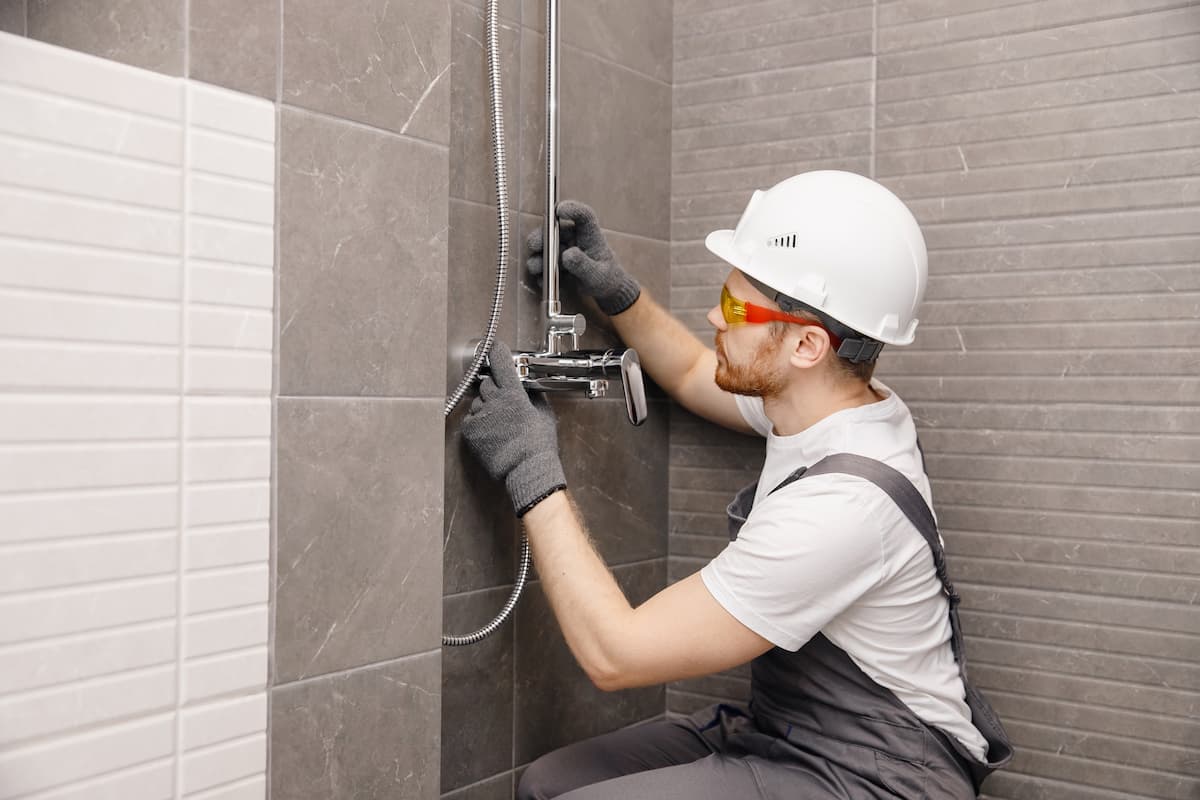
Bathroom performance depends on what sits behind the tiles as much as what you can see. Good plumbing for a bathroom means clean water reaches every fixture at the right pressure, wastewater leaves quickly without smells or backflow, and each component can be maintained safely over time. Whether you are updating a compact London flat or reworking pipe runs in an older terrace, understanding the system before buying fixtures helps you avoid expensive changes later. This guide explains how bathroom plumbing is put together, what to plan before renovation starts, how to choose suitable supplies, and when professional input is the safest route.
What plumbing for a bathroom includes
A bathroom plumbing system has two jobs: bring in fresh water and remove used water and waste. Most layouts include:
- Water supply pipework for hot and cold feeds
- Waste pipe connections from bath, basin and shower
- Toilet connections to soil pipework
- Traps, valves, seals and service points for maintenance
- Fixture fittings such as taps, shower valves and cistern components
If you are comparing options for bathroom plumbing services, focus on how the full system is designed, not only the visible fittings.
Main bathroom plumbing components
| Component | Main function | Why it matters |
|---|---|---|
| Hot and cold supply pipes | Deliver clean water to taps, shower and WC cistern | Stable flow and pressure reduce performance issues |
| Isolation valves | Shut off water locally to one fixture | Allows repairs without turning off the entire property |
| Traps and waste fittings | Hold a water seal and carry wastewater away | Prevents odours entering the bathroom |
| Soil pipe connection | Removes toilet waste to the drainage system | Critical for hygiene and legal compliance |
| Shower mixer or valve | Blends hot and cold supply for safe showering | Helps prevent scalding and temperature swings |
| Tap cartridges and connectors | Control water delivery at basin and bath | Influences reliability and leak risk |
How water supply and drainage work together
Water enters from the mains and is distributed through hot and cold lines. Hot water may come from a combi boiler, system boiler cylinder arrangement, or other domestic setup. In many homes, boiler plumbing interacts with bathroom performance because supply temperature, pressure balance and pipe routing all affect showers and taps.
Used water leaves via gravity through waste pipes, while toilet discharge travels via the soil stack. For smooth operation, supply and drainage design should be considered together. A strong tap flow means little if waste runs are poorly sloped or traps are incorrectly fitted.
In flats, stacked drainage and shared structural routes often limit repositioning. In older London housing stock, legacy pipes and mixed materials can complicate alterations. This is where careful surveying and professional plumbing installation planning prevents rework.
Pipework, traps and valves: practical design points
Bathroom reliability often comes down to small decisions made during first fix:
- Accessible isolation points: place service valves where future repairs are realistic.
- Logical pipe routes: fewer unnecessary bends help flow and reduce weak joints.
- Suitable trap selection: trap depth and layout should suit fixture type and installation space.
- Consistent material choices: mixed systems can work, but transitions must be done correctly.
- Allowance for maintenance: leave practical access to concealed valves and connectors.
When existing installations are repeatedly failing, replace ageing pipework can be more cost-effective than repeated patch repairs.
Planning plumbing before a bathroom renovation
Answer every plumbing question before final finishes are chosen. This avoids the common sequence where tile choice and furniture layout are approved first, then plumbing has to be compromised.
For practical sequencing, use this plumbing renovation planning guide, then decide early:
- Which fixtures are fixed-position (soil connection usually limits WC movement).
- Whether water pressure supports the chosen shower type.
- Where shut-off points and service access will sit.
- Whether existing pipework is worth retaining.
- How ventilation and moisture control will support long-term durability.
In Victorian and Edwardian properties, walls and floor voids can restrict routes. In modern compact bathrooms, space-saving layouts may require specialist fittings. In either case, planning early reduces disruption and helps you buy plumbing components once, not twice.
Choosing plumbing supplies and parts without guesswork
Many homeowners begin with search phrases like nearest plumbing shop, plumbing shop nearby, plumbing shops near me, or plumbing supplies online. Those searches are useful, but selection quality matters more than where you buy.
Whether you use a plumbing centre, plumbing parts store, or online plumb supplies retailer, check:
- Product compatibility with your existing pipe materials and fixture threads
- Manufacturer guidance on pressure and temperature ranges
- Availability of service parts (cartridges, seals, valves)
- Realistic warranty and returns support
- Clear technical documentation
You might also see terms such as plumber suppliers near me, plumber supply near me, or plumbing supply stores near me. Treat them as starting points for sourcing, not as proof of suitability. For UK buyers, reputable plumbing uk merchants and known plumbing stores usually provide clearer specs than generic listings, especially when paired with a renovation plumbing impact guide.
Taps, showers and toilets: common connection risks
Fixtures fail early when connections are rushed or mismatched. Typical faults include slow leaks at compression joints, unstable shower temperature from poor balancing, and recurring blockages caused by weak waste layout.
When maintaining fixtures, targeted servicing often resolves persistent drips, cartridge wear and pressure-related tap noise before larger faults develop.
Toilet reliability depends on both water entry and discharge. A correctly seated pan connector, stable cistern fill components and unobstructed soil path are all essential. If odours appear despite cleaning, investigate trap seals, venting and hidden waste leaks rather than masking symptoms.
Common bathroom plumbing problems and likely causes
| Problem | Possible cause | Appropriate next step |
|---|---|---|
| Weak shower flow | Pressure imbalance, scaled valve, restricted supply | Test pressure and inspect valve/filters |
| Slow basin or bath drainage | Partial blockage, poor fall, trap buildup | Clean trap and check waste alignment |
| Repeated tap drips | Worn cartridge or poor pressure control | Replace cartridge and verify pressure |
| Intermittent toilet refill | Faulty fill valve or inlet restriction | Inspect cistern inlet components |
| Damp around hidden pipe runs | Micro-leaks at joints or ageing pipe sections | Leak trace and repair affected section |
| Sewer odour in bathroom | Failed trap seal or venting issue | Verify trap water seal and drainage setup |
Where boiler and gas topics fit (and where they do not)
Bathroom plumbing is linked to hot water delivery, so boiler plumbing influences comfort. However, gas and plumbing tasks are not interchangeable. Any gas-side work must be handled by a legally authorised, suitably qualified engineer (including Gas Safe registration where applicable). Homeowners can monitor symptoms, but should not attempt regulated gas interventions.
If you are comparing plumbing and heating companies or checking a plumber website uk listing, prioritise verified qualifications, clear scope definitions and evidence of relevant domestic bathroom experience.
Maintenance habits that protect bathroom plumbing
Simple routine checks prevent many emergency callouts:
- Inspect visible joints and valve points for early moisture signs.
- Clean trap and waste strainers before flow drops severely.
- Avoid chemical overuse that can damage seals and fittings.
- Watch for pressure or temperature changes after boiler adjustments.
- Service taps and shower controls before full component failure.
When problems are persistent, uncertain, or involve concealed pipework, home plumbing assistance is usually safer and cheaper than repeated DIY trial-and-error.
FAQ
Do I need to replace all bathroom pipes during renovation?
Not always. If pipework is sound, correctly routed and compatible with new fixtures, partial retention can work. Replace sections that are corroded, poorly positioned, or repeatedly leaking.
Can I move a toilet anywhere in the bathroom?
Usually no. Toilet position depends on soil pipe access, fall, venting and structural limits. Some movement is possible, but it must be planned around drainage constraints.
Are online plumbing supplies suitable for bathroom projects?
Yes, if specifications are clear and compatible. Check pressure ratings, connection types, returns support, and service-part availability before ordering.
Why does my shower temperature keep fluctuating?
Common causes are pressure imbalance, failing mixer components, or hot-water delivery issues. A proper diagnosis should check supply pressure, valve condition and boiler-related performance.
Is bathroom plumbing different in flats versus houses?
Yes. Flats often have tighter service routes, shared building constraints and less flexibility for drainage changes. Houses may offer easier access but can have older hidden pipework.
When should I call a professional instead of DIY?
Call a professional for concealed leaks, repeated faults, drainage redesign, and any regulated work. DIY is better limited to simple, low-risk checks and basic maintenance.
Disclaimer
This article is for educational use only. Plumbing requirements vary by property, system condition and applicable UK regulations. For complex alterations, concealed leaks, drainage changes, or regulated gas-related work, consult a suitably qualified professional and, where required, a Gas Safe registered engineer.
Written Date: 23 October 2026 | Next Review Date: 23 October 2027