Request Job Estimate
 Tap to Call

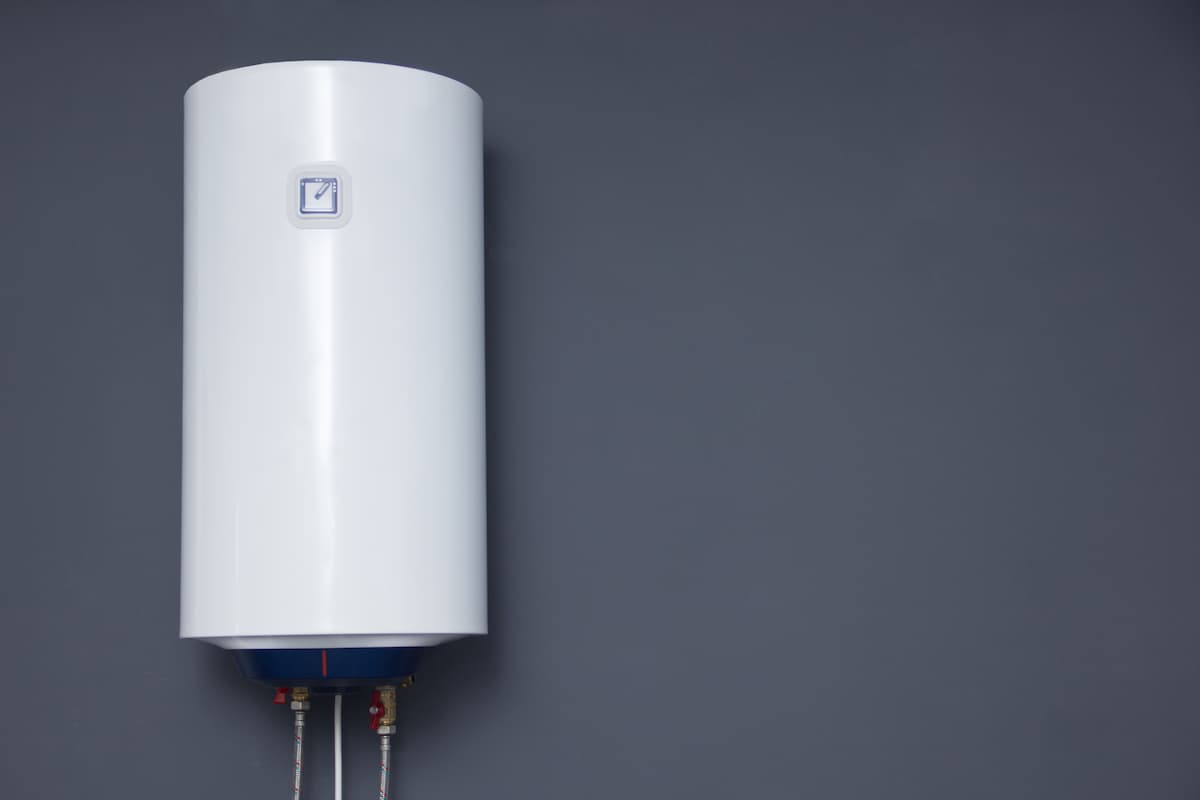
If your hot water seems fine one day and limited the next, demand is usually the missing piece. Understanding how household water demand influences hot water supply helps explain why temperature, pressure and availability can change across the day. In many London homes, especially period conversions and multi-storey family properties, the timing and volume of use matters just as much as the heating system itself. Morning showers, baths, kitchen use and appliances can all compete for the same stored or heated supply. When demand rises faster than your system can reheat or distribute hot water, you feel it immediately: shorter showers, cooler water, or inconsistent flow.
What Does Household Water Demand Mean?
Household water demand means how much water your property uses, when it is used, and how many outlets draw water at the same time. For hot water, this includes showers, baths, basin taps, kitchen taps, washing machines and dishwashers where hot feeds are used.
In practical terms, household hot water demand is not a fixed number. It changes by occupancy, routine, appliance use and property layout. A one-bedroom flat with one occupant will usually have very different demand from a busy family home in London with multiple bathrooms.
How Does Household Demand Influence Hot Water Supply?
Household demand influences supply by setting the load your system must meet in real time. If demand remains below your system’s output and storage capacity, supply tends to stay stable. If demand exceeds system capacity, hot water availability drops.
This is why some households report common hot water problems even when no major component has failed. In many cases, demand patterns are simply outpacing what the current setup can deliver during peak periods.
Why Does Hot Water Run Out During Busy Periods?
Hot water runs out during busy periods because several high-demand activities are concentrated into a short time window. A common pattern is early morning use: back-to-back showers, a bath, kitchen tap use and appliance cycles.
When multiple outlets run together, systems can struggle to maintain stable hot water temperature and flow. Typical symptoms include:
- Faster depletion of stored hot water
- Temperature drop mid-shower
- Slower recovery between uses
- Inconsistent hot water supply between fixtures
How Does Hot Water Cylinder Capacity Affect Supply?
Cylinder size determines how much stored hot water is available before reheating becomes critical. In simple terms, larger useful storage gives better resilience at peak demand.
If your household repeatedly runs out of hot water early in the day, capacity may be the issue rather than a fault. Reviewing hot water cylinder capacity against real usage patterns is often more useful than relying on property size alone.
System type also affects perceived performance. Homes with vented and unvented hot water cylinders can experience different pressure and flow behaviour even with similar storage volumes.
How Does Hot Water Recovery Time Affect Availability?
Recovery time is how quickly your system can reheat water after heavy demand. The slower the recovery, the longer households experience limited supply between uses.
Recovery is influenced by:
- Heat source output (boiler or water heater)
- Cylinder and heat-transfer efficiency
- Thermostat/control settings
- Incoming mains water temperature
- Overall condition of the system
In properties using immersion heater systems, recovery can feel slower during high-demand periods, especially where stored volume is already low.
How Do Different Household Activities Affect Hot Water Demand?
Different activities place different loads on domestic hot water systems.
| Household Activity | Typical Impact on Hot Water Demand |
|---|---|
| Single shower | Steady moderate demand |
| Back-to-back showers | Sustained peak demand |
| Bath filling | High short-duration demand |
| Kitchen hot tap use | Intermittent additional demand |
| Dishwasher/washing cycle | Background demand that can overlap with bathroom use |
| Multiple outlets together | Highest risk of inconsistent supply |
In many London households, overlap is the main issue rather than one individual activity.
Does Household Size Affect Hot Water Requirements?
Yes. More occupants generally increase both total hot water usage and simultaneous demand.
- One-person households usually have lower peak demand.
- Couples often experience mild peaks during morning overlap.
- Families create stronger morning and evening spikes.
- Larger households or shared properties often need higher storage and faster recovery.
Property type matters too. Compact modern flats often have shorter pipe runs. Victorian and Edwardian homes, larger conversions and multi-storey layouts can have longer distribution routes and more heat loss before water reaches distant fixtures.
How Can Households Manage Hot Water Demand?
Practical demand management can improve performance without immediate full replacement.
- Stagger shower times during peak periods.
- Run dishwashers or laundry outside busy bathroom windows.
- Review cylinder timers and controls with a qualified professional.
- Improve accessible hot water pipe insulation.
- Reassess system sizing if occupancy has changed.
- Plan plumbing layout improvements during refurbishment works.
| Hot Water System Factor | Effect on Supply |
|---|---|
| Storage volume | Determines duration of peak-use support |
| Recovery rate | Determines how quickly supply is restored |
| Simultaneous usage | Increases risk of temperature inconsistency |
| Pipe run length | Increases delay and heat loss |
| Distribution layout | Affects consistency between fixtures |
| Controls/timers | Helps align heating cycles with usage patterns |
For distribution-related issues, it also helps to understand why hot water delivery times vary, especially in larger or older properties.
When Could Limited Hot Water Indicate a Plumbing Problem?
Limited hot water is not always a fault. During heavy demand, shortfalls can be normal. However, persistent or worsening issues may indicate equipment or system problems.
Warning signs include:
- Hot water running out much faster than before under similar usage
- Noticeably longer recovery time
- Frequent temperature fluctuation even with modest demand
- Unusual noises from heater or cylinder
- Consistent underperformance across multiple outlets
In these cases, targeted water heater installation and repairs assessment can identify whether the cause is capacity mismatch, component wear, controls, or distribution inefficiency.
Avoid DIY interventions on electrical, gas, pressurised and unvented systems. Specialist work should always be handled by qualified professionals.
FAQ Section
Why does my hot water run out quickly in a busy household?
Because multiple users and overlapping activities can exceed system storage or output in a short period. The issue is often peak timing, not total daily use.
Is low pressure the same as low hot water supply?
No. Low pressure affects flow strength, while low hot water supply affects duration and consistency. They can overlap but are different problems.
Does a larger household always need a larger cylinder?
Not always, but larger households usually benefit from more storage or faster recovery due to higher peak demand and simultaneous use.
Why is hot water fine at midday but poor in the morning?
Morning demand is usually highest. If your system is near its limit, peak windows expose shortfalls that are less obvious during quieter periods.
Can demand management help without replacing the system?
Yes. Staggering use, improving controls and reducing simultaneous peak loads can significantly improve hot water availability.
Does property layout affect hot water availability?
Yes. Longer or more complex pipework routes can increase delay and heat loss, especially in larger or converted London properties.
Could slow recovery mean a fault rather than normal demand?
Yes. If recovery has worsened over time under similar usage, it may indicate system inefficiency or a developing component issue.
Safety Disclaimer
Information in this article is for educational and informational purposes only. Hot water performance varies by household demand, system setup, property layout, equipment condition, and usage patterns. For persistent issues or any work involving specialist plumbing, heating, electrical, gas, unvented, or pressurised systems, seek qualified professional assistance.