Request Job Estimate
 Tap to Call


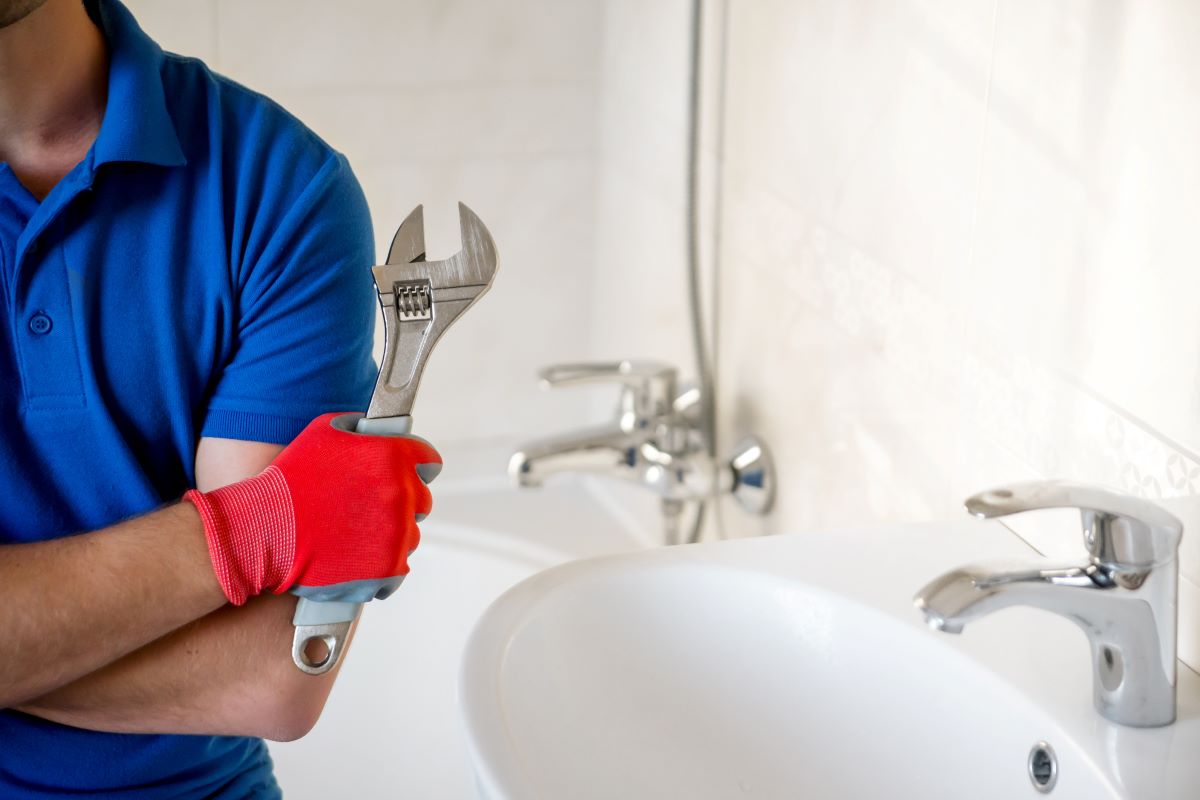
Choosing the right bathroom basin affects comfort, cleaning, storage, and long-term maintenance. In UK homes, especially across London where bathroom sizes vary widely, basin decisions should balance style with practical plumbing constraints.
This guide explains common bathroom sinks UK buyers compare, including wall-hung, countertop, and inset options. It also covers dimensions, materials, tap compatibility, and installation planning so you can shortlist products with confidence.
What is a bathroom basin and how is it used?
A bathroom basin is a hand-washing fixture designed for daily hygiene tasks. You may also see terms such as bathroom sinks, bathroom wash basins UK, or British bathroom sink in supplier catalogues. In practice, they refer to similar fixtures, but installation method and bowl geometry change how each model performs.
For renovation planning, basin choice should be aligned with waste pipe position, tap-hole format, and expected usage. If the plumbing layout is older or has already been altered, coordinating specialist bathroom installation planning early helps prevent costly rework. This is especially useful when vanity depth, waste alignment, and fixture projection all need to work together in one installation sequence.
Main bathroom basin types for UK homes
| Basin type | Best for | Key advantage | Typical watch-out |
|---|---|---|---|
| Wall-hung basin | Small bathrooms and cloakrooms | Frees floor space | Pipework may need neat concealment |
| Pedestal basin | Traditional family bathrooms | Clean classic look | Less integrated storage |
| Countertop basin | Contemporary design schemes | Strong visual feature | Height planning is critical |
| Inset/semi-recessed basin | Vanity units and shared bathrooms | Good splash control | Unit depth must suit bowl projection |
When comparing wash basin design options, focus on everyday movement space, mirror position, and elbow room rather than appearance alone.
Basin size and layout: what matters most
The right size depends on room footprint and usage pattern. A deep bathroom sink can reduce splashing in busy family bathrooms, while a shorter projection often works better in compact cloakrooms.
In larger en-suites, a long bathroom sink or double-user setup can improve morning routines. Where floor area is tight, many buyers consider narrower rectangular basins bathroom ranges to keep circulation clear.
Before purchase, map basin width, projection, and tap reach against your layout. This is especially important during installation planning, where clearances to WC pans, shower screens, and door swings can make or break usability.
Materials, durability, and maintenance
Ceramic remains the most common UK choice because it is durable, easy to clean, and widely available. Composite and stone-resin options can offer a premium finish, while glass and natural stone models are often chosen for visual impact.
If you are comparing designer bathroom sinks with practical family fixtures, check stain resistance, scratch behaviour, and cleaning requirements. Material feel is important, but maintenance burden matters just as much over a five-to-ten-year period. If you are uncertain about fit, finish, or maintenance trade-offs, a qualified plumbing team assessment can clarify what is realistic for your property before ordering products.
Tap compatibility and basin performance
Many performance issues come from poor matching between basin geometry and tap specification. Spout height, spout reach, and pressure suitability all influence splash control and comfort.
This is why bathroom sinks and faucets should be selected together, not separately. A tap that looks right on display may perform poorly with your chosen bowl shape at home. Checking projected flow pattern, spout reach, and basin depth as one system helps reduce splash and usability issues after installation.
Combining basin choices with wider bathroom design
A basin should support the full room concept, not compete with it. Storage depth, tile lines, lighting, and mirror placement all affect whether the design feels balanced.
If you are planning a full refurb, reviewing bathroom design performance factors early helps align fixture choices with storage depth, mirror height, and cleaning access. It is also easier to coordinate tile lines and vanity proportions when the basin is selected as part of the full room composition. This sequence helps avoid buying sanitaryware that later forces compromise.
Should you consider combination sets?
In compact homes, coordinated sets can simplify visual consistency and spacing. Depending on room size and user needs, some buyers compare a toilet sink pairing, a WC basin set, or a combined bath sink toilet set for design coherence.
For projects that also include a tub replacement, searching for bath and sink or new bath and sink packages can streamline finishes and lead times. Budget-led projects may also look at a cheap toilet and sink bundle, but always check dimensions, warranty terms, and replacement part availability.
Budgeting and buying considerations
Price is important, but true value comes from fit, durability, and service access. Designer bathroom sinks may justify their cost in feature bathrooms, while simpler ceramic models often deliver excellent performance for rental or family properties. Comparing daily bathroom layout usability alongside product specifications can prevent expensive layout compromises later.
A practical shortlist should include:
- Basin dimensions and projection against your layout
- Tap compatibility and pressure requirements
- Material durability and cleaning needs
- Availability of matching wastes, traps, and spares
- Installer access for future maintenance
For complex retrofits or recurring plumbing issues, involve professional support before ordering fixtures. Early checks reduce the risk of purchasing products that are difficult to install in existing pipework conditions.
Common mistakes to avoid
- Choosing style-first products without checking pipe locations
- Buying a basin depth that causes door or drawer conflicts
- Pairing incompatible taps and basins, leading to splash problems
- Assuming all bathroom sinks UK stockists use the same sizing conventions
- Treating online visuals as a substitute for measured layout planning
Accurate measurements, door swing checks, and fixture clearances should be reviewed together before final approval. This reduces the chance of ordering products that look suitable in catalogues but conflict with real room geometry.
When comparing dimensions and fixture geometry, understanding basin and sink functional differences can improve shortlist quality before final sign-off. This avoids selecting bowl profiles that look appealing but perform poorly in your intended use pattern. It also helps align cleaning, splash control, and tap reach expectations with day-to-day usage.
FAQ Section
Which bathroom basin is best for a small bathroom?
A wall-hung or short-projection basin is usually best for small bathrooms. It preserves movement space and can make cleaning easier. Check projection, not just width, because projection often drives comfort in narrow rooms.
What is the difference between a countertop and inset basin?
A countertop basin sits above the worktop, while an inset basin drops into it. Countertop styles create a stronger design statement; inset styles often improve splash control and can be easier to integrate with storage.
Are bathroom basin and toilet sets worth it?
Yes, they can be worth it when dimensions fit your layout and style consistency matters. Sets can simplify decision-making, but always verify measurements and tap compatibility before purchasing.
What materials are most practical for UK family bathrooms?
Ceramic is usually the most practical choice for family use. It is durable, easy to maintain, and widely supported for replacement parts. Premium materials can work well but may need more careful cleaning.
How do I choose the right basin size?
Choose size by measuring usable clearance around the basin, not by product width alone. Check projection, tap reach, and nearby fixtures such as WC pans, doors, and vanity drawers before you buy.
Can I swap a basin without changing all plumbing?
Sometimes yes, but it depends on waste position, tap format, and cabinet geometry. Even like-for-like replacements can need minor pipework adjustments, especially in older London properties.
Disclaimer
This article is for general educational guidance for UK homeowners and landlords. Bathroom conditions, costs, and compliance requirements vary by property, location, and project scope. Always confirm technical details on site before final decisions. Use qualified professionals for plumbing, waterproofing, and electrical work.
Written Date: 2026-11-12 | Next Review Date: 2027-11-12