Request Job Estimate
 Tap to Call

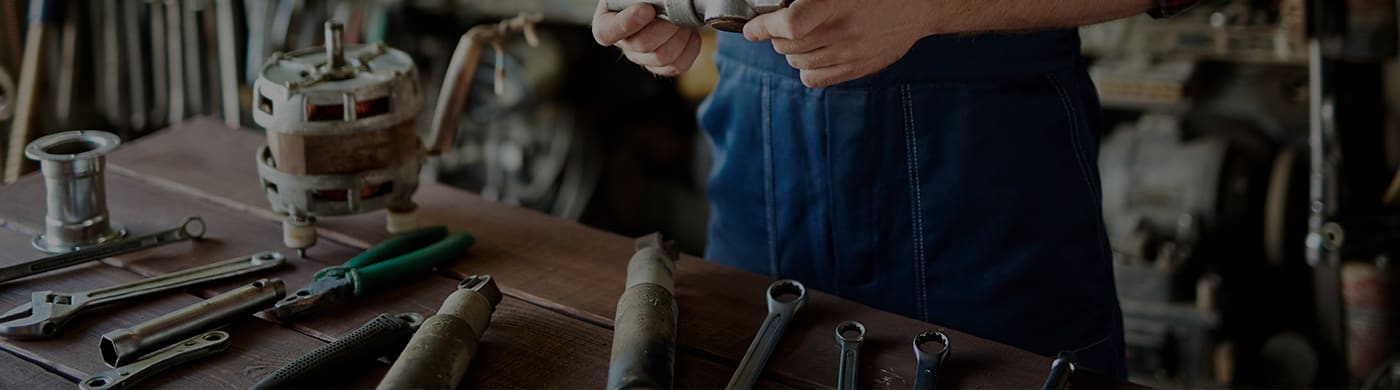
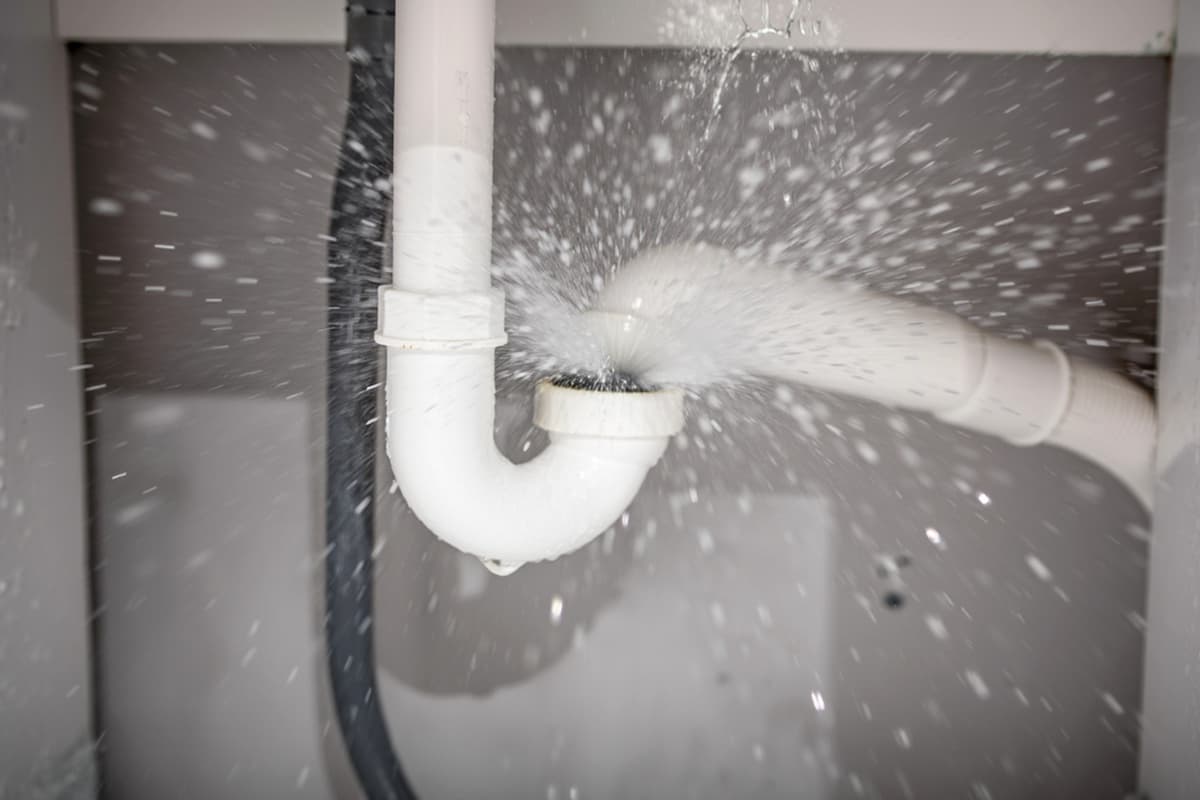
Choosing 20mm plastic pipe fittings sounds simple until you realise "20mm" can describe a water pipe, an irrigation line or an electrical conduit, and each needs a different fitting. A joint that suits one system can leak or fail on another. This guide covers fitting types, sizing, push-fit and solvent-weld joints, MDPE installation, pressure ratings and UK standards. It also explains price factors, common leaks and when to call a professional. Where searches mention Australian retailers such as Bunnings, we explain how that differs from buying in the UK.
Understanding 20mm Plastic Pipe Fittings and Their Uses
A 20mm plastic pipe fitting joins, redirects, reduces or terminates compatible pipe. The "20mm" usually refers to outside diameter, but the pipe material, wall thickness and pressure class must also match the fitting.
Typical uses include:
- Domestic and commercial water supply, depending on the material's temperature limits.
- External supply, such as MDPE pipe serving outbuildings or garden taps.
- Irrigation, using polyethylene pipe for sprinklers and drip lines.
- Electrical conduit, which protects cables and is not designed to hold water pressure.
PVC, polyethylene, polybutylene and multilayer composite pipes each have different joining methods and temperature limits. If you are dealing with ageing or mismatched pipework, professional pipework replacement services can identify the material and advise whether renewal is better than patching.
Types of 20mm Plastic Pipe Fittings Available
| Fitting type | Function | Typical use |
|---|---|---|
| Elbow | Changes direction | Turning pipework around corners |
| Tee | Creates a branch | Feeding a tap or second line |
| Straight coupler | Joins two lengths | Repairs and extensions |
| Reducer | Joins different diameters | Stepping down to a smaller branch |
| Adaptor | Converts to a threaded connection | Taps, valves and appliances |
| Push-fit connector | Grips pipe without adhesive | Accessible domestic pipework |
| Compression fitting | Tightens a grip ring onto the pipe | MDPE and systems designed for it |
| Solvent-weld fitting | Chemically bonds pipe and fitting | PVC systems designed for cement |
A fitting that slides onto a pipe is not necessarily suitable for it, so always check the material.
Understanding 20mm PVC Pipe Fittings, Dimensions and Sizes
Some systems are sold by metric outside diameter, while others use an older nominal size that does not match the measured dimension. With 20mm PVC pipe fittings, check the manufacturer's data to confirm which one "20mm" means. Internal diameter depends on wall thickness, which varies with pressure class, so two 20mm pipes from different ranges can need different fittings. Never assume measurements are interchangeable between manufacturers.
The difference between 20mm and 22mm plastic pipe fittings matters because 22mm is a common UK size for copper and some plastic supply pipe. A 20mm pipe will not seal reliably in a 22mm fitting. Measure the outside diameter with callipers and check the markings printed on the pipe. Sizing mistakes are far easier to avoid when planning plumbing layouts before renovation, because the pipe material and fittings can be specified together.
20mm Push-Fit vs Solvent-Weld Pipe Fittings
The 20mm push fit vs solvent weld choice depends on access, material and how permanent the joint should be.
| Factor | Push-fit | Solvent-weld |
|---|---|---|
| Tools | Cutter, deburring tool, marker | Cutter, deburring tool, cleaner, cement |
| Preparation | Square cut, clean, mark depth | Square cut, clean, dry-fit, apply cement |
| Maintenance | Often demountable | Permanent once cured |
| Suitable for | Systems where the manufacturer approves push-fit | Compatible PVC-type plastics only |
Common mistakes include angled cuts, burrs that damage seals, unmarked insertion depth and the wrong cement. Solvent-weld joints need compatible materials and the manufacturer-approved adhesive, so the best adhesive for 20mm PVC pipe fittings is the one specified for your system, not a general-purpose glue.
How to Connect 20mm Plastic Pipe Fittings Correctly
Follow the manufacturer's instructions for your system. In general:
- Isolate and drain the pipework.
- Measure, mark and cut the pipe square.
- Remove burrs and clean the end. Some pipes need a chamfer or support insert.
- Check the fitting suits the pipe material, size and pressure class.
- Push the pipe fully to the marked depth, tighten a compression nut as directed, or apply solvent cement only to compatible materials and allow the full cure time.
- Restore the supply slowly and check every joint for weeping.
Solvent cements release fumes, so ventilate the space, wear gloves and keep them away from heat. For new or relocated supply runs, professional plumbing installation services help ensure the fittings, routing and pressure testing suit your property.
20mm MDPE Pipe Fittings and Installation Considerations
MDPE (medium-density polyethylene) is flexible pipe commonly used for external water supplies. It is a different material from PVC and electrical conduit, so its fittings differ too. For a 20mm MDPE pipe fittings installation guide in brief:
- Use compatible fittings, usually compression types designed for PE pipe, with a support liner where the manufacturer requires one.
- Cut square and clean the pipe end before assembly.
- Insert to the full depth. Under-insertion is a common cause of weeping joints.
- Check pressure suitability against the supply pressure.
- Plan underground runs with the depth, bedding and protection your water company and manufacturer specify, and keep pipe away from fuels, solvents and contaminated ground.
Never use PVC solvent-weld fittings on MDPE, and never connect electrical conduit to a water supply.
Pressure Ratings and UK Plumbing Standards
Pressure rating describes the internal pressure a pipe or fitting is designed to withstand, normally at a stated temperature. A "PN" marking followed by a number indicates nominal pressure in bar at a reference temperature, so read the manufacturer's data. Higher temperatures usually reduce safe working pressure, and some plastics are unsuitable for hot water. Fittings that are under-rated for the supply can also contribute to sudden water pressure drops when joints start to fail. Check operating pressure, maximum temperature, material compatibility and suitability for drinking water.
In the UK, the Water Supply (Water Fittings) Regulations 1999 apply to fittings used with water supplied by a water company. Products for drinking water should carry appropriate approval, and BS EN 12201 covers polyethylene piping for water supply but not every plastic material. Do not assume compliance unless the manufacturer's documentation confirms it.
20mm Plastic Pipe Fittings Price and Selection Factors
A 20mm plastic water pipe fittings price depends on material, fitting type, manufacturer and approvals, pressure rating, connection method and quantity. Prices change and vary between suppliers, so we have not quoted figures.
Searches such as 20mm plastic pipe fittings Bunnings or 20mm PVC pipe fittings Bunnings usually reflect Australian shopping intent. Bunnings is an Australian retailer, and its ranges and standards do not automatically apply in the UK. In Britain, check that products match UK sizes, UK water regulations and your pipe material.
Common Problems and How to Fix Leaking 20mm Plastic Pipe Fittings
For how to fix a leaking 20mm plastic pipe fitting, first find the cause. Typical culprits are the wrong fitting, poorly prepared pipe ends, damaged seals, loose connections, incorrect insertion depth, excessive pressure and incompatible materials.
Safe first steps are to turn off the water, drain the pipe, dry the area and check the pipe is fully inserted into the correct fitting. Do not overtighten plastic parts or add sealant unless the manufacturer allows it.
Call a plumber if the leak is under pressure, behind a wall or floor, near electrics or keeps returning. For recurring faults, domestic plumbing services can diagnose the cause rather than treat the symptom.
Choosing the Right 20mm Plastic Pipe Fittings for Your Application
Match the fitting to the pipe material, not just the diameter. Then confirm the connection method, pressure and temperature ratings, manufacturer compatibility and any UK regulatory requirements.
- Domestic water supply: use products approved for drinking water.
- Irrigation: PE pipe with fittings designed for it, though these may not suit mains drinking water.
- Conduit: for 20mm plastic conduit fittings, remember conduit is for cable protection only. In the 20mm plastic conduit fittings vs plumbing fittings comparison, conduit fittings are not pressure rated and must never carry water.
Conclusion
Selecting the right 20mm plastic pipe fittings means checking more than the diameter. Confirm the pipe material, whether "20mm" is an outside or nominal size, the connection method, and the pressure, temperature and water regulation requirements. Treat conduit, irrigation and drinking-water systems separately and rely on manufacturer documentation. If you are unsure about compatibility or a persistent leak, a qualified plumber can inspect the system and recommend the right fix.
FAQ Section
What is the difference between plastic conduit and plumbing fittings?
Conduit fittings protect electrical cables and are not designed for pressurised water. Plumbing fittings are made and rated for water. Never swap one for the other.
How do I measure 20mm pipe accurately?
Use callipers on the outside diameter at a clean, square-cut end. Then compare it with the markings on the pipe and the manufacturer's size chart.
Can I use 20mm PVC fittings on MDPE pipe?
No. MDPE needs fittings designed for polyethylene, usually compression types. PVC solvent-weld fittings will not bond to it.
Are these fittings suitable for irrigation systems?
Often, if the pipe and fittings are designed for irrigation pressures. Check the rating first, and do not use irrigation parts on household drinking water supplies.
Is a leaking fitting an emergency?
It can be. If water escapes under pressure, near electrics or into a ceiling, isolate the supply at the stopcock and call a plumber promptly.
Can I reuse a solvent-weld fitting?
Generally not. Once cured, the joint is permanent. The usual repair is to cut out the joint and fit new compatible components.
Disclaimer
This content is general guidance for UK homeowners only. Check product compatibility, installation requirements and regulatory obligations before starting plumbing work. Work on water supply pipework may need to follow the Water Supply (Water Fittings) Regulations. If unsure, arrange an assessment by a qualified plumber.
Written Date: 2026-11-19 | Next Review Date: 2027-11-19