Request Job Estimate
 Tap to Call
A burst pipe is one of the most stressful things that can happen in a London home or flat. Water can spread across floors, soak into ceilings and cause thousands of pounds of damage in minutes. The good news: the first ten minutes are also the most powerful – what you do before a burst pipe London emergency plumber arrives largely determines how bad the damage gets.
This guide walks you through exactly what to do (and what not to do) the moment a pipe bursts, what to expect when an engineer turns up, and the differences between tenant and landlord responsibilities in London rentals. If you need help right now, call 020 3475 2302 – an emergency plumber in London can usually be at your door within the hour.
What to do immediately if a pipe bursts
Stay calm and work through these steps in order. Each one is designed to keep you safe and limit damage while help is on the way.
1. Turn off the water supply at the stopcock
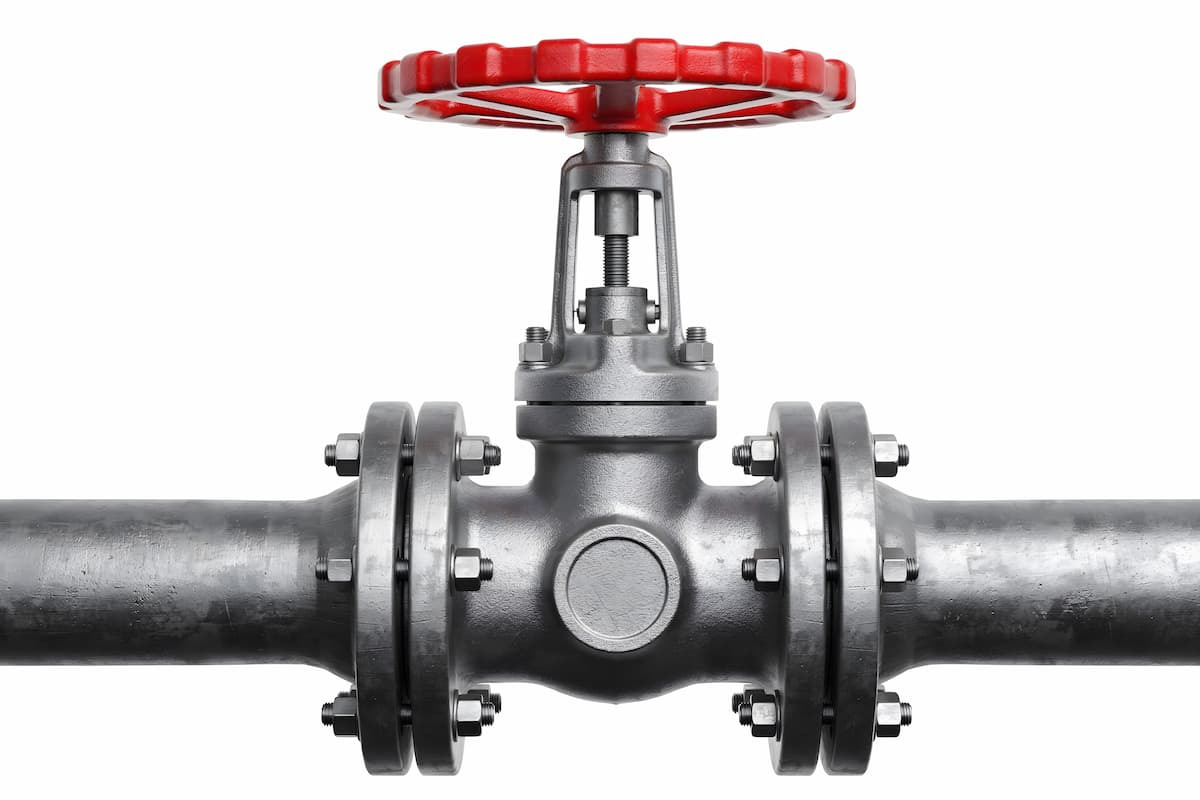
Your internal stopcock (or stop tap) is usually under the kitchen sink, in a downstairs cupboard, in a utility area or near the front door of a flat. Turn it clockwise until it stops. If you cannot find it or it is seized, look outside for the external water meter cover at the property boundary – you can also turn the supply off there. Shutting off the water at source is the single most important thing you can do.
2. Turn off electrics if water is near sockets or lights
Safety first. If water is near sockets, ceiling lights, fuse box or any electrical appliance, switch off the electricity at the consumer unit (fuse box) before going anywhere near the leak. Never touch a wet socket or switch with bare hands. If you cannot reach the consumer unit safely, leave the property and call an emergency plumber and a qualified electrician.
3. Open taps to reduce pressure
Once the stopcock is off, open every cold tap in the house and flush the toilets. This drains the remaining water out of the system through the taps rather than out of the burst pipe, reducing pressure and slowing the leak. Open hot taps last, after switching off your boiler or immersion heater.
4. Move valuables and furniture
Lift rugs, move furniture, laptops, paperwork and anything that could be water-damaged out of the affected room. Place towels and buckets to contain spreading water. If water is dripping through a ceiling, do not stand directly under it – place a bucket and pierce a small hole in the bulging area with a screwdriver from the side to release the trapped water into the bucket in a controlled way.
5. Take photos and videos for insurance
Before you start mopping up, photograph the burst pipe, the water spread, any damaged items and the ceiling/walls. Insurance companies almost always ask for this. Keep receipts for any emergency products you buy (towels, buckets, dehumidifier hire) and the plumber’s invoice – most home insurance policies cover emergency plumbing call-outs for sudden burst pipes.
- AVAILABLE 24/7 CALL US TODAY!
- TAP TO CALL
- 020 34752302
Common causes of burst pipes in London homes and flats
London’s mixed housing stock – Victorian terraces, ex-local-authority flats, modern new-builds – means burst pipes happen for very different reasons across the city. The most common causes we see are:
- Freezing temperatures – ice expanding inside copper or plastic pipes, especially in loft spaces, garages and external walls.
- Old failing flexi hoses – the braided flexible hoses under sinks and behind washing machines have a 5–10 year service life and split without warning.
- Corroded copper pipes in older Victorian and Edwardian properties.
- High water pressure – especially in flats fed directly from the rising main without a pressure-reducing valve.
- Accidental damage – nails or screws through plasterboard during DIY.
- Water hammer – the shock waves from quick-closing valves on washing machines and dishwashers that gradually weaken joints.
Why burst pipes are common in winter
Most of our water leak emergency London call-outs happen between November and March. When temperatures drop below freezing, water inside pipes expands by roughly 9% as it turns to ice. That expansion creates enormous internal pressure – enough to split copper, push apart soldered joints and crack plastic. The damage often does not show up until the ice melts and the water finds the new opening, which is why many bursts appear during a thaw rather than during the freeze itself.
To reduce winter risk, lag any exposed pipework in lofts, garages and external walls, keep the heating on at a minimum of 12–15°C when you are away, and know where your stopcock is before you need it.
What an emergency plumber will do
When a Gas Safe registered engineer from our 24-hour burst pipe repair team arrives, the typical process is:
- Locate the burst – visually or using acoustic / thermal leak detection if it is hidden.
- Isolate the affected pipe using local isolation valves so the rest of the property can have water back on.
- Cut out the damaged section and replace it with new copper or push-fit fittings to current standards.
- Pressure-test the repair and watch for any secondary leaks at neighbouring joints.
- Restore supply, hand over a written job sheet and advise on drying-out and any reinstatement work needed.
How long burst pipe repairs can take
- Burst flexi hose under a sink: 30–60 minutes.
- Accessible copper pipe in a kitchen/bathroom: 1–2 hours.
- Burst pipe behind tiles or in a stud wall: 2–4 hours including controlled access.
- Burst under-floor or under-screed pipe: half a day to a full day depending on access and reinstatement.
For typical pricing, see our practical guide on emergency plumber cost in London.
Can a burst pipe be fixed the same day?
In most cases, yes. The vast majority of London burst pipes we attend are made watertight on the first visit so you have running water again the same day. Where the burst is behind tiles, plasterboard or under a screeded floor, the engineer may carry out a temporary repair to restore supply and book a return visit for permanent reinstatement and decoration. A 24 hour plumber London service like ours means you do not have to wait until Monday morning for the first stage of the fix.
- AVAILABLE 24/7 CALL US TODAY!
- TAP TO CALL
- 020 34752302
Burst pipe in a rented property: tenant and landlord steps
Under the Landlord and Tenant Act 1985, the landlord is responsible for repairs to the structure, exterior and installations for water and heating – including pipework. In a burst pipe emergency, the responsibilities split as follows:
If you are the tenant
- Take the immediate emergency steps above – turn off the water and electrics.
- Notify your landlord or letting agent immediately, in writing (text or email) so there is a record.
- If you cannot reach the landlord and the leak is causing damage, you are entitled to call out an emergency plumber to make safe – keep all receipts. Most tenancy agreements require you to act reasonably to prevent further damage.
- Photograph everything for the landlord and your own contents insurance claim.
If you are the landlord
- Respond to the tenant’s notification as soon as possible – burst pipes are recognised emergencies.
- Instruct a qualified, insured plumber to attend within 24 hours.
- Cover the cost of the repair (tenant is only liable if the damage was caused by misuse, e.g. blocking a drain with wet wipes).
- Arrange drying-out and any redecoration once the leak is fixed.
Why choose emergencyplumber.london
When the water is flowing and you need an engineer fast, you want a real plumber on the other end of the phone – not an answering service. With Emergency Plumber London you get:
- A real engineer answering the phone in under 60 seconds, 24/7.
- Gas Safe registered burst pipe specialists at your door in under 60 minutes across zones 1–4 – from Westminster and Camden to Hammersmith and Ealing.
- Fully equipped vans with copper, push-fit fittings, isolation valves and leak detection kit.
- Transparent pricing – see our price list – with card payment on site and a written job sheet for insurance.
- 12-month workmanship guarantee on every burst pipe repair.
Call now for emergency burst pipe repair in London
If a pipe has burst, do not wait for the damage to spread. Call 020 3475 2302 any time, day or night, or request a callback online. A Gas Safe engineer from our burst pipe repair team will be on the way fast, with a clear price up front. While you wait – turn off the stopcock, isolate the electrics if water is near them, and open the taps to drain the system.
Frequently asked questions about burst pipes in London
How do I stop a burst pipe before the plumber arrives?
Turn the water off at the internal stopcock (usually under the kitchen sink), then open every cold tap and flush the toilets to drain the system. Switch off the electricity at the consumer unit if water is near sockets or lights. Place buckets and towels to contain spreading water.
How much does it cost to repair a burst pipe in London?
A typical burst flexi hose or accessible copper pipe costs £140–£320 depending on the time of day. Burst pipes behind walls or under floors can reach £500+ once access and reinstatement are added. Prices can vary depending on the job, parts and complexity.
Is a burst pipe covered by home insurance?
Most UK home insurance policies cover sudden burst pipes under the “escape of water” section – including the emergency plumber call-out, drying out and damage to fixtures. Gradual leaks are often excluded, so call a plumber promptly and keep photos and receipts.
Will my water bill go up because of a burst pipe?
If you are on a water meter, yes – but Thames Water and most London suppliers operate a leak allowance scheme that refunds the excess once the leak is fixed and proof is submitted. Keep your plumber’s invoice.
Can I fix a burst pipe myself?
You can carry out the emergency steps – turning off water and electrics, draining the system, containing the leak – but the actual repair should be done by a qualified plumber. Soldered and push-fit repairs done incorrectly fail under pressure and can void your home insurance.
How long does it take an emergency plumber to arrive in London?
Reputable 24-hour London plumbers should reach you in under 60 minutes for zones 1–4 and within 90 minutes for outer London. At Emergency Plumber London we operate dedicated emergency vans across the city to keep response times tight.
What if the burst pipe is in a flat above me?
Knock on the upstairs door immediately so they can turn off their stopcock. If you cannot get an answer and water is pouring through your ceiling, you can usually turn off the entire building’s rising main from the basement or street-level water meter. Notify the freeholder or managing agent and document everything for an insurance claim.
Who pays for burst pipe repair in a rented property?
The landlord is responsible for repairs to water pipework under the Landlord and Tenant Act 1985. The tenant should take immediate emergency steps to prevent further damage and notify the landlord in writing as soon as possible.
- AVAILABLE 24/7 CALL US TODAY!
- TAP TO CALL
- 020 34752302