Request Job Estimate
 Tap to Call

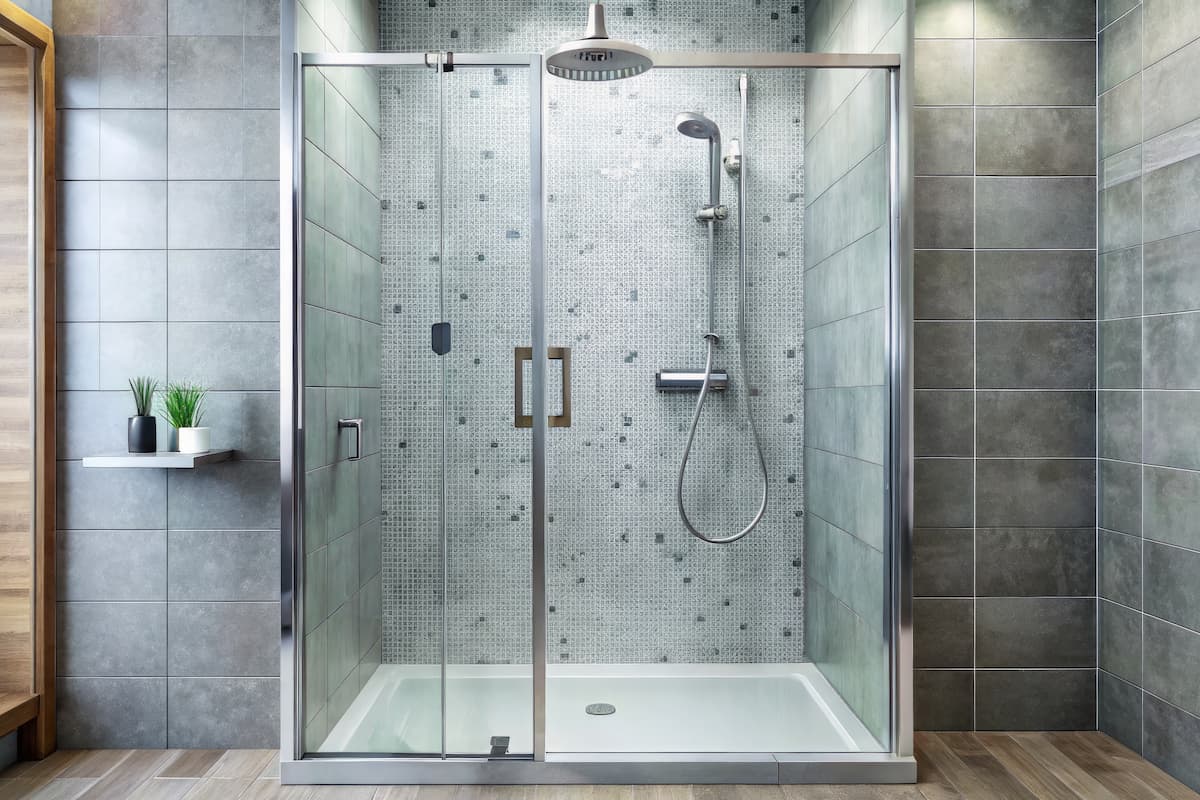
Overview
Modern bathroom renovation has moved well beyond ceramic tiles and grout lines. As London homeowners seek faster, more durable and easier-to-maintain solutions for shower enclosures and wet areas, aqua board for showers has become one of the most discussed waterproof wall systems in the industry. Aqua board refers to a category of rigid, moisture-resistant panel designed specifically for use in high-humidity environments — offering a practical alternative to traditional tiling without compromising on performance. Whether you are updating a Victorian terrace bathroom, refitting a compact flat shower room or planning a contemporary wet room, understanding how waterproof bathroom wall panels work — and where they are most effective — is an important first step before any renovation begins.
Key Takeaways
- ✓ Aqua board panels provide a grout-free, waterproof surface for shower enclosures — but full waterproofing depends on correct joint and edge sealing, not the panel material alone
- ✓ Not all products marketed as aqua board are equally waterproof — some are moisture-resistant only and are not suitable for direct shower spray zones without additional sealing
- ✓ A flat, structurally sound substrate is essential before installation — uneven or damaged walls must be prepared to prevent panel flex and joint failure
- ✓ In wet room applications, a tanking membrane beneath the panels remains best practice — decorative panels alone do not replace structural waterproofing
- ✓ London's Victorian and Edwardian properties often require plasterboard or cement board overlays to create a suitable installation substrate
What Is Aqua Board?
Aqua board is a broad term used to describe rigid, waterproof or highly moisture-resistant panels designed for use in bathrooms, shower enclosures and wet areas. The product category includes several material types, most commonly PVC-cored panels, cement-based boards, foam-backed composite panels and fibreglass-reinforced systems.
These panels are manufactured with a waterproof core that resists moisture penetration, making them suitable for direct water exposure when installed correctly. The term "aqua panel" is sometimes used interchangeably, though technically aqua panels can refer to specific cement board products used as substrate layers beneath tiles, whereas aqua board more commonly describes finished decorative wall systems installed as the visible surface.
It is worth clarifying one common misconception at this stage: not all products marketed as aqua board are equally waterproof. Some are moisture-resistant rather than fully waterproof, meaning they can tolerate condensation and splashing but should not be used in direct shower spray zones without proper joint sealing and edge detailing.
How Aqua Board Works as a Waterproof Wall System
The waterproofing performance of aqua board panels depends on three factors working together: the panel material, the installation method and the joint sealing system.
Most decorative aqua shower panels are constructed with a rigid foam or PVC core sandwiched between two surface layers — typically a high-gloss acrylic, a stone-effect finish or a textured surface. The core itself repels moisture, but it is the edges and joints between panels where water ingress risk is highest.
Well-installed aqua wall panels use a combination of waterproof adhesive, internal corner trims, external corner profiles and silicone sealant at all joints and edges. When this system is applied correctly to a sound, flat substrate, the result is a continuous waterproof surface with no grout lines and no pathways for moisture to penetrate the wall structure behind.
This is why professional bathroom installation services recommend a thorough substrate assessment before panel fitting — the panels themselves perform well, but a damp or uneven substrate can undermine the entire system.
Where Can Aqua Board Be Used in a Bathroom?
Aqua Board for Shower Walls
The most popular application is as shower wall cladding. Aqua board for bathroom walls within a shower enclosure provides a seamless, grout-free surface that eliminates one of the most common bathroom maintenance complaints — discoloured, crumbling or mould-affected grout joints.
For standard shower enclosures, panels are typically installed across the three walls of the shower zone, with careful attention given to corners, the junction between the wall panel and shower tray, and any penetrations for shower valves or fixtures.
Shower wall panelling in this context is particularly well-suited to London properties where bathroom spaces are compact and traditional tiling timescales are impractical.
Aqua Board for Bathroom Walls Outside the Shower Zone
Aqua board panels are not exclusively for shower areas. Many homeowners extend aqua bath panels or matching decorative wall panels across broader bathroom walls to create a cohesive, fully waterproof interior. This is especially useful around baths, behind basins and across splashback areas.
In London's older housing stock — Victorian terraces, Edwardian semis and inter-war properties — bathroom walls are often single-skin brick or lath-and-plaster construction that can be vulnerable to long-term moisture exposure. Aqua panelling bathroom systems in these properties can provide an effective moisture protection layer while modernising the visual appearance.
Aqua Board for Bathroom Ceilings
Aqua board for bathroom ceilings is a less discussed but equally valid application. Bathroom ceiling panels help manage condensation, steam and humidity in poorly ventilated rooms — a common issue in London's older housing stock where mechanical ventilation is often inadequate or absent.
Lightweight PVC-based ceiling panels are installed using clip systems or adhesive, creating a vapour-resistant surface that is far easier to clean and maintain than painted plaster, which is prone to flaking and mould in high-humidity environments.
Aqua Board vs Traditional Bathroom Tiles
| Factor | Aqua Board Panels | Traditional Ceramic/Porcelain Tiles |
|---|---|---|
| Installation time | 1–2 days typically | 3–5+ days including drying time |
| Grout maintenance | None required | Regular cleaning and regrouting needed |
| Waterproofing | Full surface coverage with correct sealing | Dependent on grout condition |
| Repair complexity | Panel section replacement | Tile matching and regrout required |
| Design variety | Wide range of finishes, including stone and gloss | Extensive tile designs available |
| Lifespan | 20–30 years with correct installation | 20–40 years with good maintenance |
| Cost (materials) | Generally comparable to mid-range tiles | Variable, from budget to premium |
| Suitability for uneven walls | Requires flat substrate | Can accommodate minor variations |
Different Types of Bathroom Wall Panels and Their Applications
| Panel Type | Material | Ideal Application | Key Consideration |
|---|---|---|---|
| PVC shower panels | PVC foam core | Shower enclosures, splashbacks | Joint sealing essential |
| Acrylic aqua panels | Acrylic-faced composite | Shower walls, bath surrounds | Surface scratch resistance varies |
| Cement aqua board | Cement-bonded board | Wet room substrate, tile underlay | Not a finished surface — requires covering |
| Fibreglass panels | GRP composite | Wet rooms, commercial bathrooms | More rigid, less common in domestic settings |
| Laminate wall panels | MDF or PVC core | Dry zones, feature walls | Not suitable for direct water contact |
Advantages of Aqua Board Panels
No grout lines. The single greatest practical advantage of aqua shower panels over tiles is the absence of grout. Grout is porous, discolours with age and — in shower environments — is the first point of failure in a bathroom's waterproofing system.
Faster installation. A full shower enclosure can typically be clad in aqua board panels within a single working day, compared with multi-day tile installations that require adhesive curing and grouting.
Easy-clean bathroom surfaces. The smooth, non-porous finish of most aqua bath panels can be wiped clean with a damp cloth, reducing the time and chemical products needed for routine bathroom maintenance.
Lightweight and adaptable. Modern aqua board panels are considerably lighter than ceramic tile systems, making them suitable for properties where floor loading is a concern — relevant for upper-floor bathrooms in older London buildings.
Consistent moisture protection. When correctly installed, aqua board panels create a continuous surface without the vulnerabilities associated with individual tile joints.
For homeowners planning broader bathroom projects, pairing aqua board with effective bathroom plumbing solutions ensures that waterproofing performance and plumbing functionality work together as a cohesive system.
Limitations and When Panels May Not Be the Best Solution
Aqua board is not a universal solution for every bathroom. There are important considerations homeowners should be aware of before choosing panels over tiles.
Substrate requirements. Aqua board panels must be installed on a flat, structurally sound substrate. Uneven or damaged walls require preparation before installation — skipping this step is one of the most common homeowner mistakes and can lead to panel flex, joint failure and water ingress behind the panels.
Repair visibility. Unlike tiles, where a single cracked tile can be replaced without affecting the rest of the surface, aqua board panel repairs can be more visually obvious if matching stock is not available or has been discontinued.
Long-term design flexibility. Panels are a semi-permanent solution. Homeowners who anticipate frequent bathroom restyling may find that tiles offer greater long-term flexibility for updating grout colours, adding feature tiles or integrating new materials.
Not suitable for structural waterproofing. A common misconception is that decorative aqua panels eliminate the need for any underlying waterproofing membrane. In wet room applications with full floor-to-ceiling water exposure, a tanking system or waterproof membrane beneath the panels remains best practice — a point that aligns with established wet room design principles for UK residential properties.
Installation Considerations for London Properties
London's housing diversity creates some specific installation considerations that are worth addressing.
Victorian and Edwardian homes often have uneven plaster walls and single-skin brick construction. These properties benefit from a plasterboard or cement board overlay that creates a flat, solid substrate before panels are fitted.
Modern flats and new-build apartments typically have more consistent wall construction, but bathroom spaces are often compact. In these environments, the slim profile of aqua board panels (most are 4–10mm thick) preserves floor area that chunky tile and adhesive builds can encroach upon.
Rental properties represent a significant application area. Landlords managing London properties frequently choose aqua board panels for shower enclosures and bathroom walls because the durable, easy-clean surface reduces maintenance between tenancies and minimises the risk of grout-related damp complaints.
For projects that involve broader bathroom reconfiguration — moving fixtures, adding shower enclosures or creating new wet zones — professional plumbing installation should be coordinated alongside the waterproofing and panel work to avoid costly rework.
Maintenance Recommendations
One of the practical benefits of aqua board for showers is the reduced maintenance burden compared with traditional tiled surfaces. A realistic maintenance approach includes:
- Wiping down panels after showering to remove soap residue and mineral deposits from hard London water.
- Inspecting silicone joints at corners and edges annually, resealing where necessary.
- Avoiding abrasive cleaning products on gloss-finish panels to prevent surface micro-scratching.
- Checking that any accessories fixed through the panels — such as shower rails or soap holders — are sealed with waterproof silicone to maintain the integrity of the panel system.
- Ensuring bathroom ventilation is adequate to manage humidity levels, even when waterproof panels are installed.
Design Considerations
The design range available within aqua board panels has expanded considerably. Homeowners can select from high-gloss white panels, stone-effect finishes, concrete textures, marble-effect large-format panels and wood-grain decorative boards for non-wet zones.
For shower enclosures, large-format panels with minimal joint lines create a contemporary, spa-like finish that suits modern urban bathrooms. For period properties, neutral stone-effect panels can complement Victorian-era sanitaryware without appearing incongruous.
Understanding the fundamentals of bathroom design before specifying panel finishes helps ensure that the overall bathroom aesthetic is cohesive rather than a patchwork of individually selected products.
Aqua Board and Wet Rooms: Understanding the Relationship
Wet rooms require a more comprehensive waterproofing approach than standard shower enclosures. The floor, wall junctions and drainage system must all be integrated into a fully tanked system before any surface finish is applied.
In this context, aqua board panels are often used as the surface finish layer over a cement board substrate that has been tanked with a waterproof membrane. The panels provide the decorative finish; the tanking system provides the structural waterproofing.
For London homeowners considering this combination, modern wet room refurbishment projects typically specify this layered approach as standard practice, ensuring that the waterproofing system performs as a whole rather than relying solely on the surface panels.
Frequently Asked Questions
What is aqua board for showers?
Aqua board for showers refers to rigid waterproof or moisture-resistant wall panels installed within shower enclosures as an alternative to ceramic tiles. They are designed to provide a seamless, grout-free surface that resists water penetration when correctly installed with appropriate jointing and edge sealing.
Is aqua board completely waterproof?
Most aqua board panels are highly water-resistant, but full waterproofing depends on correct installation — particularly the sealing of joints, corners and edges. The panel material itself repels moisture, but unsealed joints can allow water ingress. In wet room applications, an additional tanking membrane beneath the panels is recommended best practice.
Can aqua board replace bathroom tiles?
Yes, aqua board panels are a widely used alternative to bathroom tiles for shower walls, bath surrounds and general bathroom wall surfaces. They offer faster installation, no grout maintenance and consistent moisture protection. However, tiles may remain preferable for homeowners seeking maximum design flexibility or a traditional finish.
How long does aqua board last in a shower?
Quality aqua board panels installed correctly in a shower environment can last 20–30 years. Lifespan depends on the panel quality, installation standard, ongoing maintenance of silicone joints and the hardness of the local water supply — London's hard water can accelerate limescale build-up on panel surfaces.
Is aqua board suitable for bathroom ceilings?
Yes. Lightweight PVC-based aqua board panels are suitable for bathroom ceilings and are particularly beneficial in poorly ventilated bathrooms prone to condensation. Ceiling panels create a wipeable, moisture-resistant surface that outperforms painted plaster in humid conditions.
Do aqua board panels need a special substrate?
Aqua board panels require a flat, dry, structurally sound substrate for best results. Uneven or damaged walls should be prepared — typically with a plasterboard or cement board overlay — before panels are installed. Skipping substrate preparation is a leading cause of panel installation failure.
Are aqua board panels suitable for rental properties?
Yes. Aqua board panels are a practical choice for rental properties because they are durable, easy to clean, require no grout maintenance and reduce the likelihood of moisture-related maintenance issues between tenancies.
What is the difference between aqua board and aqua panel?
The terms are sometimes used interchangeably, but there is a distinction. Aqua panel typically refers to cement-based substrate boards used as a tile underlay in wet environments. Aqua board more commonly describes finished decorative panels used as the visible wall surface. Always check product specifications before purchasing.
Can aqua board panels be fitted over existing tiles?
In some cases, yes — if the existing tiles are firmly bonded, flat and structurally sound. However, this approach adds thickness to the wall and must account for existing fitting positions. A professional assessment is recommended before overlaying existing tiled surfaces.
How do I clean aqua board shower panels?
Aqua board shower panels can be wiped down with a soft cloth and a mild, non-abrasive bathroom cleaner. Avoid scouring pads or harsh chemicals on gloss finishes. In London's hard water areas, a dilute white vinegar solution is effective for removing limescale without damaging the panel surface.
Safety Disclaimer
The information in this article is provided for educational and informational purposes only. Bathroom waterproofing systems, wall panels and shower installations vary depending on the property's construction, existing plumbing and moisture management requirements. Specific product suitability, substrate preparation requirements and installation methods should be assessed by a qualified professional before any renovation work begins. Always seek professional advice before undertaking major bathroom renovation work.