Request Job Estimate
 Tap to Call

Overview
A bathroom leak is one of the most common plumbing problems in UK homes, yet it remains one of the most frequently underestimated. Whether it begins as a faint damp patch on the ceiling below, a subtle discolouration around the base of a toilet, or a persistent musty smell you cannot quite trace, early intervention almost always reduces both repair complexity and cost. Left unaddressed, even a slow and seemingly minor leak can cause moisture damage to structural timbers, flooring, and plasterwork — particularly in London's older Victorian and Edwardian properties where ageing pipework and original waterproofing are commonplace. This guide covers everything homeowners need to know: identifying the source of a bathroom leak, understanding the warning signs, knowing when professional investigation is warranted, and taking practical steps to prevent long-term damage.
Key Takeaways
- ✓ Bathroom leaks most commonly originate from shower and bath sealant failure, toilet base seals, or ageing supply pipework within walls and floors
- ✓ Ceiling stains and damp patches in the room below are the most reliable early warning sign, though water can travel laterally before showing
- ✓ Reapplying sealant over saturated or damaged substrate does not resolve an underlying leak — the source must be identified first
- ✓ Bathroom leak repair costs in the UK typically range from £80 for a simple reseal to £400+ for pipework requiring wall or floor access
- ✓ Persistent or worsening leaks — especially with structural signs like sagging plaster or soft flooring — warrant prompt professional investigation
What Causes a Bathroom Leak?
Bathrooms are, by their nature, the most water-intensive rooms in a home. The combination of pressurised pipework, hot and cold water supply, waste drainage, and regular humidity cycling creates multiple potential failure points that can develop gradually over time.
Shower Leaks
Shower enclosures are among the most frequent sources of bathroom water ingress. Silicone sealant around trays, screens, and wall junctions degrades over time, particularly in wet rooms that experience daily use. Once sealant breaks down, water migrates behind tiles, saturating the substrate beneath. In many London flats and houses where the bathroom sits directly above a living room or bedroom, a shower leak often goes undetected until a ceiling stain or damp patch appears downstairs.
A common homeowner mistake is resealing only the visible silicone line without investigating whether water has already penetrated the substrate. Resealing over saturated tiles does not address the moisture already trapped beneath — it simply delays the visible damage while the problem worsens.
For situations where the source of water ingress is not immediately apparent, hidden plumbing leak detection can identify exactly where water is travelling through the building fabric before further damage occurs.
Bath Leaks
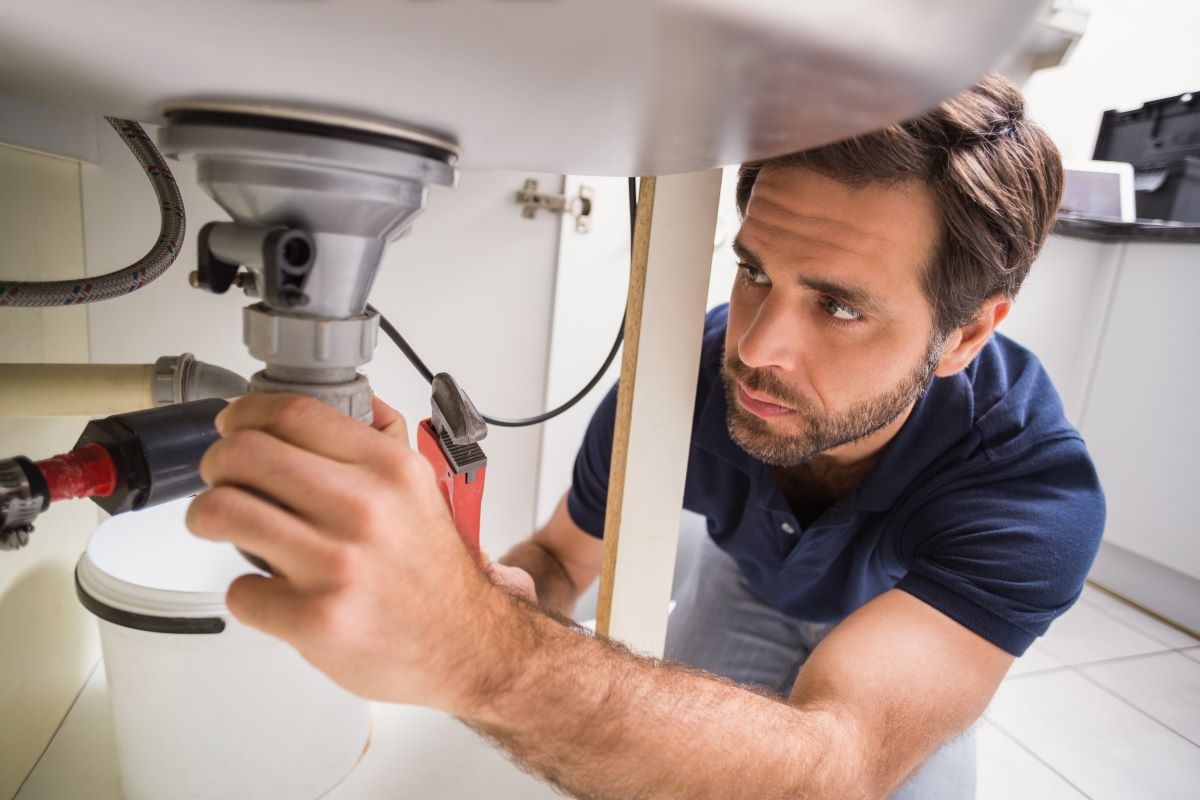
Similar to showers, baths can develop leaks along sealant lines, at the overflow fitting, through the waste trap, or at the pipework connections beneath the bath panel. Overflow fittings on older baths are frequently overlooked during bathroom maintenance — the rubber seal around the overflow plate deteriorates with age and can allow water to track down the back of the bath and into the floor void. For more on overflow-related plumbing issues, including when an overflow becomes a source of persistent water damage, professional assessment is advisable.
Toilet Leaks
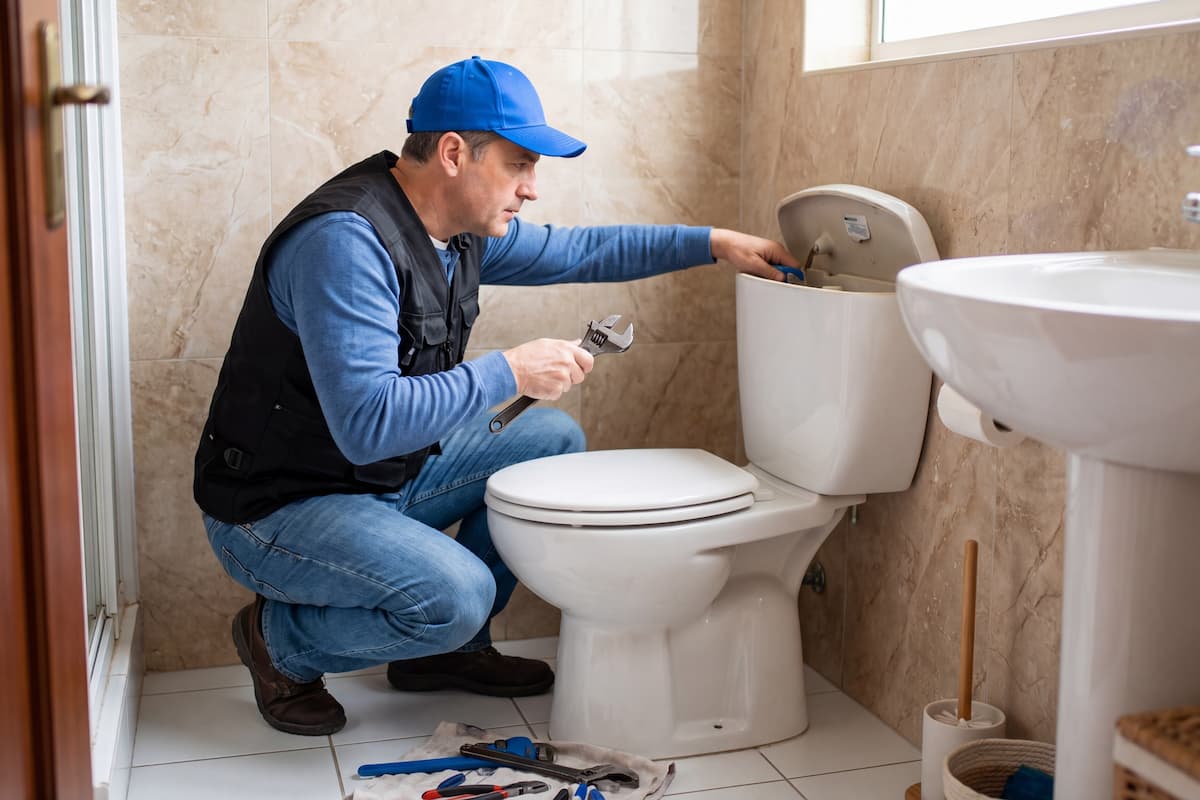
A toilet can leak in several distinct ways. The cistern-to-pan connector can fail, water can leak from the base where the toilet meets the floor (typically a sign of a deteriorated wax seal or a cracked pan), or the internal fill valve can malfunction causing a slow overflow into the bowl. Base leaks are particularly problematic because water disperses beneath floor tiles with little visible indication at surface level — a scenario that frequently leads to sub-floor moisture damage and eventual structural deterioration.
Pipe Leaks Within Walls and Floors
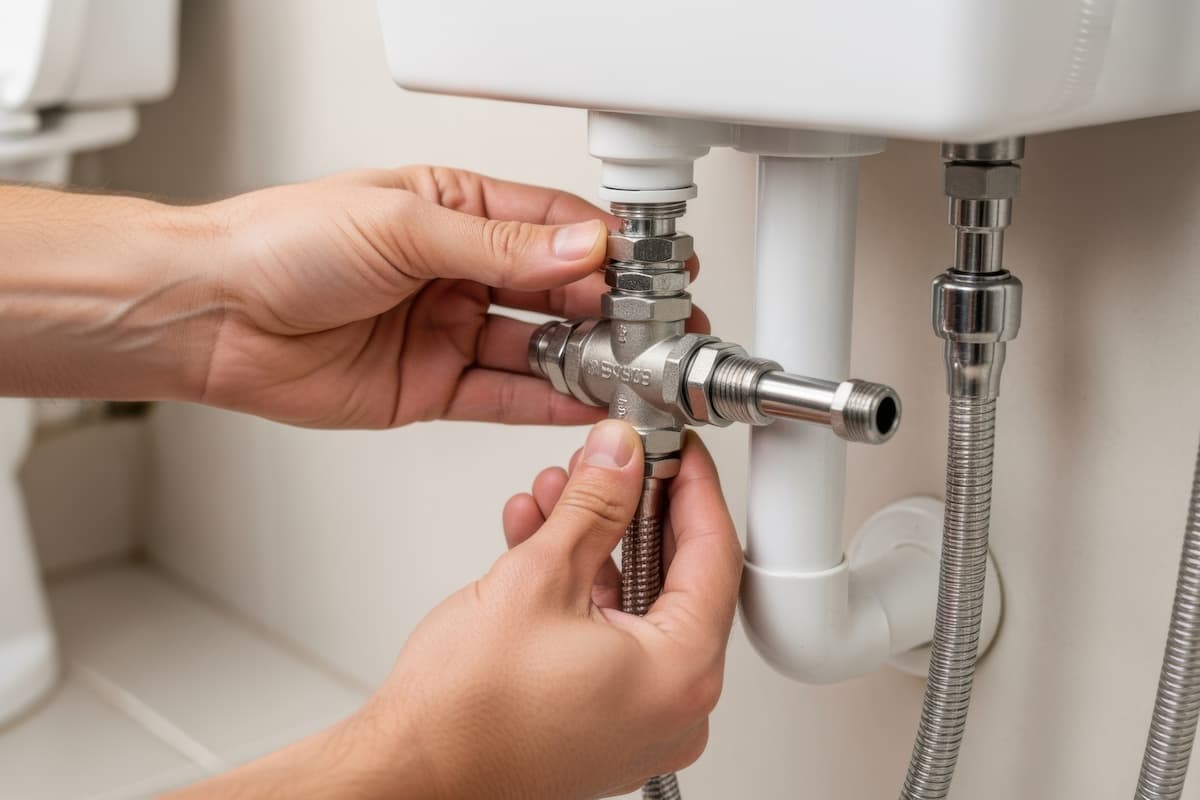
Hot and cold supply pipes running within wall cavities and floor voids are a significant source of hidden bathroom leaks, especially in London's older housing stock where lead, iron, and early copper pipework remains in service. Joints and compression fittings can weaken over decades of pressure cycling and thermal expansion. Unlike surface leaks, pipework failures within the structure may only present as ceiling staining, rising damp, or unexplained increases in water bills. Exploring professional bathroom plumbing services at an early stage can prevent what begins as a minor joint failure from progressing into a more serious situation.
Common Bathroom Leak Sources and Warning Signs
| Leak Source | Typical Warning Signs |
|---|---|
| Shower sealant / tray | Damp tiles, discoloured grout, ceiling stain below, musty smell |
| Bath overflow / waste | Water pooling near bath, staining on ceiling below bathroom |
| Toilet base / cistern | Wet floor around toilet base, water marks on downstairs ceiling |
| Supply pipework (in wall) | Damp patches on walls, peeling paint, unexplained water bill increase |
| Waste / soil pipe | Slow drainage, gurgling, foul odours, external damp patches |
| Under-floor pipework | Warm floor areas (hot water pipe), soft or springy floor tiles |
How to Identify a Bathroom Leak
Visual Inspection First
Before calling a plumber, a methodical visual check can narrow down the likely source considerably. Start by examining sealant lines around the bath, shower, and toilet for cracking, shrinkage, or discolouration. Check for soft, hollow, or loose tiles, which often indicate the adhesive bed beneath has been saturated and has failed. Inspect the bath panel — if it is swollen, warped, or showing water staining, moisture has entered the void beneath the bath.
Look at the ceiling of the room directly below the bathroom. A brown or yellow water stain, bubbling paint, or a localised area of damp plaster is one of the most reliable indicators of an ongoing leak from above. The stain may not appear directly below the leak source — water frequently travels laterally along joists before dropping — which is why bathroom leak detection often requires more than a surface inspection.
Testing for Active Leaks
A simple staged test can help isolate the source. Run the shower for several minutes without using the bath, then inspect the ceiling below. Repeat with bath use only, and then flush the toilet. If a specific activity consistently produces ceiling moisture, the relevant fixture becomes the priority for investigation.
However, if the leak appears to be originating from within a wall or floor void rather than from a visible fixture, non-invasive leak detection methods — including thermal imaging and acoustic detection — provide a far more accurate diagnosis than removing tiles or lifting floorboards speculatively.
Bathroom Leaking Downstairs: What It Means for Your Property
A bathroom leaking into the floor below is a situation that warrants prompt professional attention. In London's many multi-storey properties and converted flats, the consequences of an unresolved bathroom leak extend beyond cosmetic ceiling damage. Water consistently saturating floor joists leads to timber decay and, in some cases, mould growth that becomes a health concern and a significant remediation project.
In converted flats — particularly those in Victorian or Edwardian houses divided into two or three units — a bathroom above a neighbour's living space introduces both structural and legal complications. Most home insurance policies require policyholders to report and address leaks promptly; delayed action can complicate or invalidate claims.
Expert Insight
In London's converted flats and multi-storey Victorian conversions, a bathroom leak rarely stays a single-property issue. Where a bathroom sits above a neighbour's ceiling, delayed investigation can escalate a straightforward reseal into a shared repair and insurance dispute. Identifying the exact source before damage spreads — rather than waiting to see if a damp patch resolves itself — is consistently the difference between a same-day fix and a much larger reinstatement project.
Minor Leak vs Serious Leak: What to Look For
| Indicator | Minor Leak | Serious Leak |
|---|---|---|
| Ceiling appearance | Small damp patch, no structural change | Sagging plaster, active dripping, large staining |
| Duration | Recently noticed, intermittent | Persistent or worsening over days or weeks |
| Floor condition | Surface damp only | Soft, spongy, or warped flooring |
| Wall condition | Slight discolouration | Visible mould, peeling plaster, structural cracking |
| Water bill | No change | Unexplained increase |
| Smell | Mild mustiness | Persistent damp or mould odour |
When the signs point towards a serious leak with active structural moisture damage, burst pipe repair solutions may be required, particularly where pipework failure has occurred within the floor or wall fabric.
Bathroom Leak Repair: What to Expect
Repair scope varies considerably depending on the source and duration of the leak. Minor sealant failures around a shower or bath are straightforward interventions — old sealant is removed, the substrate is allowed to dry fully, and new sealant is applied. Critically, attempting to apply new sealant over deteriorated or wet existing sealant is a common DIY error that fails quickly and allows water ingress to continue.
Pipe leaks within wall voids or beneath floor tiles require a more involved approach. Accurate leak detection minimises unnecessary access work — isolating the precise location before any tiles or plasterwork are disturbed. In many cases, a single targeted access point is sufficient rather than widespread tile removal.
Toilet base leaks typically require the toilet to be lifted and the wax seal (or modern equivalent) replaced, followed by an inspection of the subfloor for moisture damage. Where floor damage is limited, the repair is contained; where moisture has penetrated over a prolonged period, boarding or structural repairs may be necessary.
Bathroom Leak Repair Cost in the UK
Repair costs in London reflect both the nature of the fault and the access required. A straightforward reseal of a shower or bath typically falls in the range of £80–£200 depending on the extent of the work and whether surface preparation is needed. Pipe leak repairs involving wall or floor access start from approximately £150–£400, with costs increasing where significant structural access or reinstatement work is involved. Leak detection surveys using specialist equipment typically range from £100–£300 and are a worthwhile investment before committing to exploratory tile removal.
These are indicative ranges only — actual costs depend on the specific property, access requirements, and the scope of any associated reinstatement work.
Preventing Bathroom Leaks: Practical Maintenance
Prevention remains considerably less costly than repair, and several straightforward maintenance habits significantly reduce the likelihood of a bathroom leak developing.
Inspect sealant annually. Sealant around baths, showers, and basins has a functional lifespan of approximately three to five years under normal use. Annual inspection — looking for cracking, shrinkage, or discolouration — allows deterioration to be addressed before water ingress begins.
Check tile grout regularly. Cracked or missing grout, particularly in shower areas, allows water to migrate behind tiles. Regrout affected areas promptly and consider professional re-waterproofing if multiple tiles are affected.
Monitor your water bill. An unexplained increase in water consumption without a change in household behaviour is one of the earliest indicators of a hidden plumbing leak. Cross-referencing usage across billing periods takes moments and can prompt early investigation.
Maintain adequate ventilation. Persistent high humidity in bathrooms accelerates sealant and grout deterioration, and encourages the surface mould that can obscure early warning signs. Ensuring extractor fans are functioning correctly and that windows are opened after bathing reduces the cumulative moisture load on the room's finishes.
Commission periodic plumbing checks. In older London properties — particularly those with original or early-replacement pipework — periodic professional inspection as part of professional home plumbing services provides reassurance and identifies developing issues before they become emergencies.
When Should a Plumber Investigate a Bathroom Leak?
If visual checks do not identify a clear and addressable source, or if the warning signs suggest water ingress from within the building structure, professional investigation is the appropriate next step. A plumber with leak detection capability can confirm the source accurately, assess the extent of any associated moisture damage, and advise on the most appropriate repair pathway.
Understanding the warning signs of hidden plumbing leaks — including unexplained damp patches, warm floor areas, and persistent musty odours — helps homeowners recognise when a situation has progressed beyond surface-level maintenance.
Frequently Asked Questions
What are the most common causes of a bathroom leak?
The most common causes include deteriorated sealant around showers and baths, failed toilet base seals, leaking overflow fittings, and pipe joint failures within walls or floors. Older properties are more susceptible due to ageing pipework and original waterproofing that has exceeded its serviceable lifespan.
How do I know if my bathroom is leaking into the floor below?
The most common indicators are ceiling stains, damp patches, peeling paint, or visible dripping in the room directly beneath the bathroom. The stain may not appear immediately below the source, as water often travels laterally along floor joists before dropping.
Can a bathroom leak damage structural timbers?
Yes. Persistent moisture contact with floor joists and structural timbers leads to gradual wood decay. In London properties with timber suspended floors, an unresolved bathroom leak — particularly beneath floor tiles or behind wall panels — can cause significant structural deterioration over months rather than years.
How much does bathroom leak repair cost in the UK?
Costs vary widely. A straightforward reseal typically costs £80–£200. Pipe leak repairs involving structural access start from approximately £150–£400. Leak detection surveys typically range from £100–£300. London labour rates generally sit towards the higher end of national ranges.
Will my home insurance cover a bathroom leak?
Many home insurance policies cover sudden and unforeseen water damage. Gradual leaks that have been present for some time without being reported or addressed are frequently excluded. Reporting a leak promptly and keeping records of investigation and repair is important when making a claim.
How is a hidden bathroom leak detected?
Professional leak detection uses methods including thermal imaging cameras, moisture meters, and acoustic detection equipment to locate water within wall and floor structures without unnecessary access work. These methods are far more accurate than speculative tile removal.
My bathroom leaks through the ceiling when I shower — what is the likely cause?
This pattern most commonly indicates failed shower tray sealant, a cracked shower tray, or water escaping around a poorly sealed screen. In some cases, supply pipework within the wall behind the shower is the source. A staged test — running the shower and inspecting the ceiling — can help confirm the link.
Is it safe to continue using a bathroom with a suspected leak?
For most minor surface leaks, careful continued use is possible while awaiting professional assessment. However, if there is any indication of electrical fixtures being exposed to water, or if the ceiling shows signs of structural saturation, the bathroom should not be used until the situation has been assessed.
How long does it take to repair a bathroom leak?
Many straightforward repairs — reseal, overflow replacement, toilet seal — are completed within a single visit. Pipe repairs requiring structural access may take longer, depending on the extent of damage and reinstatement required. A professional assessment will provide a realistic timeframe.
When is a bathroom leak classed as a plumbing emergency?
A bathroom leak becomes an emergency when water is dripping actively through a ceiling, when there is visible structural damage to the floor or ceiling, when electrical fittings are at risk of contact with water, or when the source cannot be isolated and water flow cannot be controlled.
Safety Disclaimer
The information provided in this article is intended for educational and informational purposes only. Bathroom leaks vary considerably depending on the property's plumbing system, construction method, waterproofing specification, and the nature and location of the water ingress. The guidance above should not be treated as a substitute for professional assessment. If you suspect ongoing structural water damage, mould growth, or any risk of electrical fixtures being exposed to water, seek professional assistance promptly rather than attempting to investigate or resolve the issue independently.