Request Job Estimate
 Tap to Call

Introduction
Most London homeowners rarely think about their drains until something goes wrong. Yet the drainage system running beneath your floors and behind your walls is one of the most critical components of your entire property. When wastewater flows freely and efficiently, your plumbing system operates as it should — quietly and reliably. When drain flow is compromised, even partially, the consequences reach far beyond a slow-emptying sink. Why smooth drain flow matters is a question that touches on hygiene, structural safety, plumbing health, and long-term property protection. Whether you live in a Victorian terrace in Islington, a converted flat in South London, or a modern family home in the suburbs, maintaining efficient drainage is not optional — it is essential.
What Does Smooth Drain Flow Actually Mean?
Smooth drain flow refers to the unobstructed movement of wastewater through your household drain network — from plug holes and toilets, through waste pipes, into the main sewer connection, and away from your property entirely. When this process works correctly, water drains at a consistent rate, waste is carried away without residue build-up, and the pipework remains clear of any material that could restrict flow.
Drain performance is not simply about speed. It is about consistency and completeness. A drain that appears to function adequately but leaves a thin film of grease along the pipe interior is already beginning to fail. Over time, that film accumulates debris, hair, and organic waste until the restriction becomes a full blockage.
In older London properties — particularly Victorian and Edwardian homes — drainage systems were often constructed using clay or cast iron pipework. These materials are durable, but they are also susceptible to root ingress, joint displacement, and internal scaling. Understanding what healthy drainage looks like is the first step towards maintaining it. Investing in professional drain cleaning services at appropriate intervals is one of the most effective ways homeowners can preserve that performance.
Common Causes of Slow Drains in Household Plumbing
Slow drainage rarely develops overnight. In most cases, it is the cumulative result of everyday habits and the gradual build-up of material inside waste pipes. Understanding the most common causes helps homeowners identify risk areas before a blockage develops.
Grease and Fat Accumulation
One of the most widespread misconceptions in household plumbing is that hot water washes fat and grease through the system safely. It does not. Fats and cooking oils solidify as they cool inside pipework, clinging to pipe walls and forming a layer that thickens with every wash cycle. Kitchen drains in family homes and rental properties are particularly vulnerable to this form of build-up.
Hair, Soap Residue, and Personal Care Products
Bathroom drains collect hair, soap scum, and residue from shampoos and conditioners with every shower or bath. Hair entwines around drain components, creating a net-like barrier that traps other debris. Over weeks and months, this accumulation grows dense enough to cause significant flow restriction. Many homeowners are surprised to learn that so-called "flushable" wipes are among the leading causes of waste pipe blockages — they do not break down in water as labelled and regularly contribute to blocked drain problems throughout London's domestic drainage network.
Mineral Deposits and Scale
In areas of London served by hard water, calcium and magnesium deposits accumulate inside pipework over time. This scaling gradually narrows the internal diameter of waste pipes, reducing water flow efficiency and creating rough surfaces that trap organic debris more readily than smooth pipe walls.
Structural Issues in Older Pipework
In period properties, drain flow can be compromised by issues that have nothing to do with what goes down the drain. Displaced pipe joints, root ingress from garden trees, and gradual pipe sagging all affect how efficiently wastewater moves through the system. These structural problems are invisible from above ground but have a measurable impact on drain performance.
Warning Signs of Drainage Restrictions
| Drain Warning Sign | Potential Underlying Cause |
|---|---|
| Slow-emptying sink or bath | Partial blockage — grease, hair, or debris accumulation |
| Gurgling sounds from plug holes | Air trapped behind a partial obstruction in the waste pipe |
| Foul odours from drains | Decomposing organic matter trapped within the drain |
| Water backing up into adjacent fixtures | Blockage further down the shared drain line |
| Visible residue or standing water | Significant restriction or complete blockage forming |
| Drain overflowing during heavy rain | Collapsed pipe, root ingress, or sewer capacity issues |
Recognising these warning signs early gives homeowners the opportunity to act before a partial restriction becomes a complete blockage. Many drainage problems that result in emergency call-outs could have been avoided with earlier intervention. Gurgling sounds, in particular, are frequently dismissed as minor inconveniences when they are actually the drain's most reliable early warning signal.
How Blocked Drains Develop Over Time
Drain blockages rarely arrive without prior warning. The typical pattern begins with a thin layer of material adhering to the inner pipe wall. This surface becomes increasingly sticky, attracting further debris with every wastewater cycle. The restriction grows inward from the pipe wall, gradually narrowing the available flow channel. At some point — often triggered by a single larger item or a heavier than usual flow — the blockage becomes complete.
This progression can take weeks or months depending on usage patterns, pipe diameter, and the nature of the accumulating material. In high-density London housing — including blocks of flats where multiple households share drainage stacks — blockages can develop more rapidly due to combined wastewater volumes and the complexity of shared pipework arrangements.
The Hidden Risks: What Happens When Drains Flow Slowly
Slow drain flow is not merely inconvenient. The consequences of ignoring drainage restrictions extend well beyond a backed-up sink.
Water Damage and Structural Risk
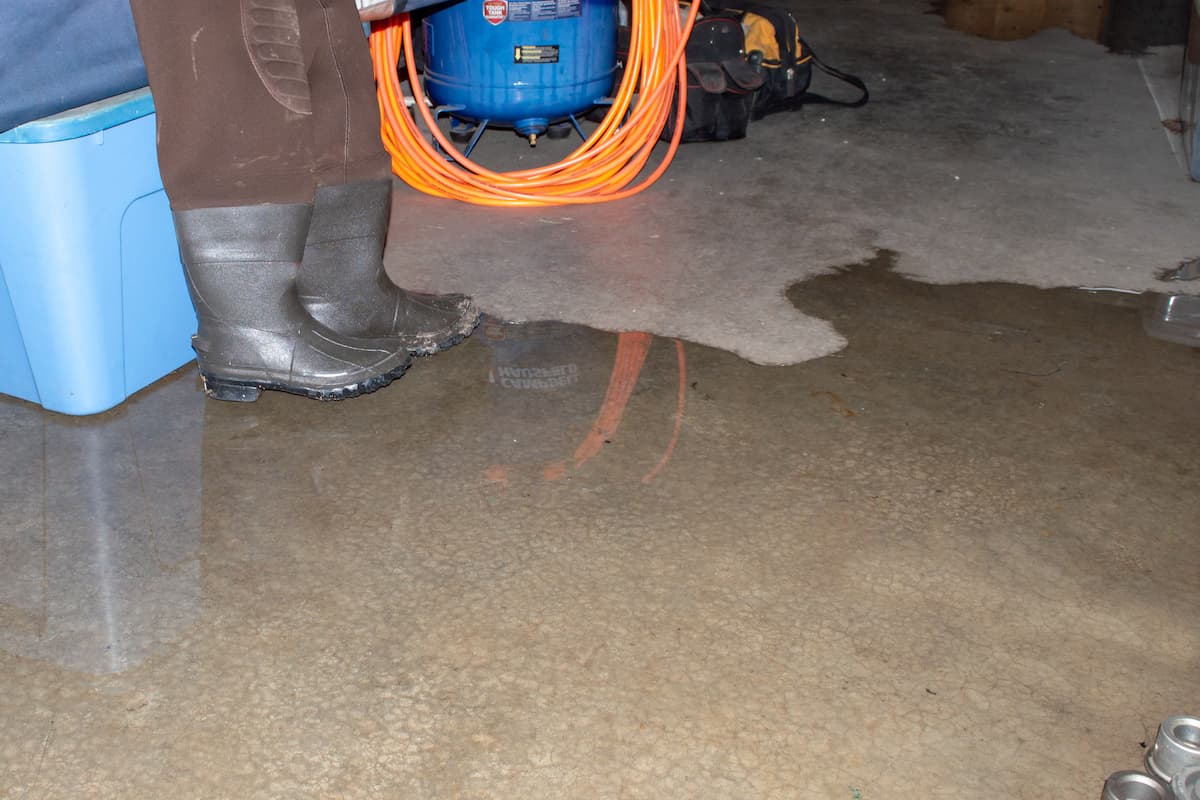
When wastewater cannot escape efficiently, it has nowhere to go but back. Overflowing wastewater — whether from a kitchen sink, bathroom basin, or toilet — causes immediate surface damage and, over time, can penetrate floor structures, skirting boards, and wall cavities. Damp conditions within structural elements create conditions favourable to timber decay and mould growth. For a deeper look at related warning signs, see our guide to residential water overflow causes.
Foul Odours and Hygiene Concerns
Organic waste trapped inside slow-draining pipes decomposes continuously. The gases produced — including hydrogen sulphide — are responsible for the characteristic foul odour that rises from drains when flow is restricted. These odours are not merely unpleasant; they indicate the presence of bacterial activity within the drainage system that can affect indoor air quality. Preventing foul drain odours at home is fundamentally a matter of maintaining clear, free-flowing pipework — not masking symptoms with drain fresheners.
Increased Pressure on Surrounding Pipework
Partial blockages alter the pressure dynamics within a drain network. Water seeking alternative paths can place stress on pipe joints and seals, accelerating wear and increasing the likelihood of leak development. In older properties where pipework materials are already aged, this added pressure can be particularly damaging. Where structural drainage issues are identified, professional drain repair services may be required to restore system integrity.
The Advantages of Free-Flowing Drains
The benefits of maintaining clear, free-flowing household drains extend well beyond avoiding emergency call-outs.
- Plumbing system reliability: Consistent drain flow reduces stress on pipework joints, seals, and connections, extending the operational life of your drainage system.
- Hygiene and indoor air quality: Clear drains eliminate the conditions in which odour-producing bacteria thrive.
- Property protection: Efficient wastewater removal removes the risk of overflow-related water damage to floors, walls, and structural timbers.
- Lower long-term costs: Routine maintenance is considerably less expensive than emergency drain unblocking, water damage remediation, or pipe replacement.
- Compliance in rental properties: Landlords have legal obligations regarding property habitability. Persistently blocked or slow drains can constitute a failure of those obligations.
Good Drain Maintenance Habits and Their Long-Term Benefits
| Maintenance Habit | Long-Term Benefit |
|---|---|
| Using drain guards to catch hair and debris | Reduces accumulation within waste pipes significantly |
| Avoiding fats and oils down kitchen drains | Prevents grease build-up and associated odours |
| Flushing drains weekly with hot water | Loosens early-stage accumulation before it solidifies |
| Annual professional drain inspection | Identifies developing issues before they become blockages |
| Professional drain jetting every 1–2 years | Removes accumulated scale and debris from pipe walls |
| Disposing of wipes and solids in bins only | Prevents non-degradable material entering the drain network |
Homeowners who treat drain maintenance as a routine task — rather than a reactive response to problems — consistently experience fewer emergency drainage situations and lower overall maintenance costs. The discipline of keeping drain guards clean, avoiding the disposal of inappropriate materials, and flushing drains regularly costs nothing but a small investment of time.
For properties with persistent accumulation issues, high-pressure drain jetting solutions provide a highly effective method of clearing existing deposits and restoring drain performance to its original specification — without the need for excavation or pipe replacement in most cases.
Drain Maintenance Myths Worth Addressing
Several widely held beliefs about drain care are actively counterproductive.
Myth: Chemical drain cleaners are a reliable maintenance solution. In reality, chemical products can provide temporary relief for minor restrictions but do not remove solid blockages, and repeated use can degrade older pipe materials — particularly rubber seals and certain plastic components.
Myth: If water drains eventually, the drain is fine. Slow drainage is a symptom of a developing problem, not an acceptable baseline. By the time drainage becomes noticeably sluggish, accumulation inside the pipe is already advanced.
Myth: Drains only need attention when they block completely. Preventative maintenance is always more cost-effective than reactive intervention. A drain that has never blocked is not one that has been lucky — it is one that has been maintained.
Long-Term Property Protection Through Drainage Health
For London homeowners — particularly those in Victorian terraces, converted flats, or any property with ageing pipework — drainage health is inseparable from overall property condition. Drainage problems that go unaddressed for extended periods do not remain contained within the drain network. They migrate: into floors, walls, foundations, and the broader plumbing system.
The most effective approach is a combination of consistent daily habits, periodic DIY maintenance, and scheduled professional assessment. Working with experienced home plumbing specialists gives homeowners access to the expertise needed to evaluate drainage performance accurately, identify issues that are not visible from above ground, and implement maintenance strategies suited to the specific characteristics of their property.
Frequently Asked Questions
How often should household drains be professionally cleaned?
For most London properties, a professional drain inspection and clean every 12 to 24 months is a reasonable baseline. Homes with large families, older pipework, or a history of blockages may benefit from more frequent attention to maintain consistent drain performance.
Why do my drains smell even though they aren't blocked?
Foul odours often indicate partial build-up inside waste pipes, a dry or faulty trap, or decomposing organic matter trapped just below the drain surface. A drain that smells is not necessarily blocked but is telling you that conditions inside the pipe are not healthy.
Can slow drains cause damage to my property?
Yes. Persistently slow drains increase the risk of overflow, water ingress, damp penetration, and structural damage over time. Acting on slow drainage early is significantly less costly than addressing the water damage that can result from prolonged neglect.
Are flushable wipes safe for household drains?
No. Despite their labelling, most flushable wipes do not break down adequately in domestic drainage systems. They are a leading cause of blockages in both household waste pipes and the wider sewer network across London.
Is it safe to use chemical drain cleaners regularly?
Chemical drain cleaners can provide temporary relief for minor restrictions but are not suitable for regular use. They do not address solid blockages effectively and can degrade pipework seals and older pipe materials when used repeatedly.
How do I know if my slow drain is a surface blockage or a deeper pipe problem?
If a single drain is slow, the restriction is likely localised near the drain opening. If multiple drains are slow simultaneously, or if water backs up across several fixtures, the issue is likely further down the shared drain line and requires professional assessment.
What is the best way to prevent kitchen drain blockages?
Never pour fats, oils, or cooking grease down the kitchen drain. Use a drain guard to catch food debris, rinse the drain regularly with hot water, and avoid disposing of coffee grounds or starchy foods such as rice and pasta down the sink.
Do drain problems affect property value?
Persistent or unresolved drainage issues can affect property valuations and may be flagged during homebuyer surveys. Documented evidence of regular drain maintenance can support a property's condition record and give buyers greater confidence.
How do I maintain drains in a flat where pipework is shared?
Focus on preventing debris entering your own waste pipes, report slow drainage to your landlord or property manager promptly, and be aware that blockages in shared drainage stacks may require building-level intervention rather than individual flat maintenance alone.
Can tree roots really affect household drains?
Yes. In properties with mature trees and older clay or cast iron pipework, root ingress is a genuine and relatively common cause of drainage restriction. Roots enter through joints or cracks and grow within the pipe, reducing flow significantly over time.
Thinking About Your Drainage Health?
If this article has raised questions about the condition of your household drains, exploring your options is straightforward. Whether you are looking to understand more about routine maintenance, identify warning signs you have already noticed, or arrange a professional assessment, the right information and the right support can make a significant difference to the long-term health of your plumbing system.
Take a closer look at the drainage services available for London homeowners — from routine maintenance through to more complex drain investigations — and make an informed decision about the right level of care for your property.
Safety Disclaimer
The information provided in this article is intended for educational and informational purposes only. Drainage performance varies depending on property type, pipe age, pipe material, usage patterns, and maintenance history. Guidance offered here represents general best practice and should not be treated as a substitute for professional assessment. If you experience recurring blockages, sewage backup, flooding, persistent foul odours, or any drainage concern that does not resolve with basic maintenance, seek qualified professional assistance promptly.