Request Job Estimate
 Tap to Call


Introduction
Water overflows are among the most disruptive and potentially costly plumbing issues a homeowner can face. Understanding residential water overflow causes is essential for anyone living in a London property — particularly given the mix of Victorian pipework, shared drainage systems, and modern extensions that characterise much of the capital's housing stock. Left unaddressed, even a minor overflow can escalate into significant water damage affecting walls, floors, structural timbers, and electrical installations. The good news is that the majority of household overflows follow recognisable patterns, and many can be prevented through routine maintenance and early detection. This guide explains the most common causes, how to identify warning signs before damage occurs, and the practical steps homeowners, landlords, and tenants can take to protect their properties.
What Is a Residential Water Overflow?
A residential water overflow occurs when water escapes beyond its intended containment within a property's plumbing system. This can happen at a fixture level — such as a toilet or sink — within drainage pipework, or at the point where household drains connect to the wider drainage network. In simple terms, water has somewhere it needs to go, and when that path is blocked, restricted, or overwhelmed, it overflows.
Overflows differ from leaks in an important way. A leak is typically a slow, often hidden loss of water from a pipe or joint. An overflow is generally visible, often sudden, and directly connected to a blockage, excess volume, or mechanical failure. Homeowners dealing with repeated or unexplained overflows should consider professional overflow diagnosis services rather than relying solely on temporary fixes.
In older London properties — particularly Victorian and Edwardian homes with cast iron or clay drainage — the risk of overflow is higher simply because the infrastructure is older, more susceptible to corrosion, and was originally designed for lower household water demand than modern households generate.
Common Causes of Water Overflow in Homes
There is rarely a single universal cause. Residential water overflow causes span a range of fixtures, habits, and structural factors. Understanding where overflows most commonly originate helps homeowners address the right problem rather than applying the wrong solution.
| Overflow Source | Common Causes |
|---|---|
| Toilet | Blocked trap, faulty float valve, sewer line obstruction |
| Kitchen sink | Grease and food accumulation, blocked waste pipe |
| Bathroom sink | Soap, hair, and debris blockage in drain |
| Washing machine | Blocked filter, kinked or obstructed drain hose, pump failure |
| Bath or shower | Hair and soap scum blockage, slow drain deterioration |
| External drain | Leaf debris, root ingress, collapsed pipework |
| Basement or cellar | Groundwater ingress, shared drain surcharging |
Toilet Overflow Causes
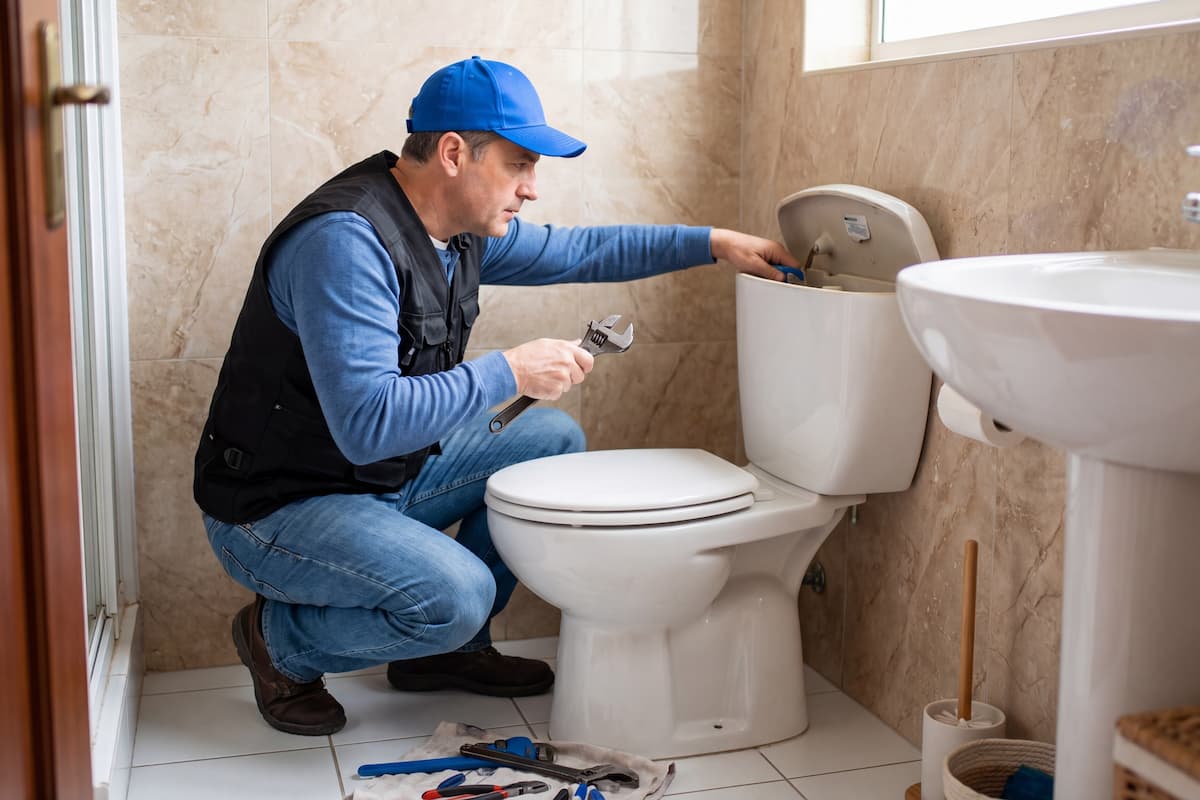
A toilet overflow is one of the most stressful household plumbing emergencies. The most frequent cause is a blockage within the toilet trap or further along the soil pipe. When waste cannot clear, water backs up and spills over the rim. However, a less obvious cause is a faulty float valve inside the cistern — if this fails to shut off the water supply at the correct level, water can overflow continuously through the overflow pipe, which in some older properties discharges externally but in others feeds directly back into the system.
It is a common misconception that only flushing inappropriate items causes toilet blockages. In reality, the gradual accumulation of scale, toilet tissue, and minor organic matter in ageing soil pipes can cause a partial obstruction that worsens over time. If your toilet is slow to clear consistently, that is an early indicator worth investigating rather than ignoring. For recurring issues, exploring toilet repair solutions with a qualified plumber will identify whether the problem lies within the fixture or deeper within the drainage system.
Sink Water Overflow Drain Causes
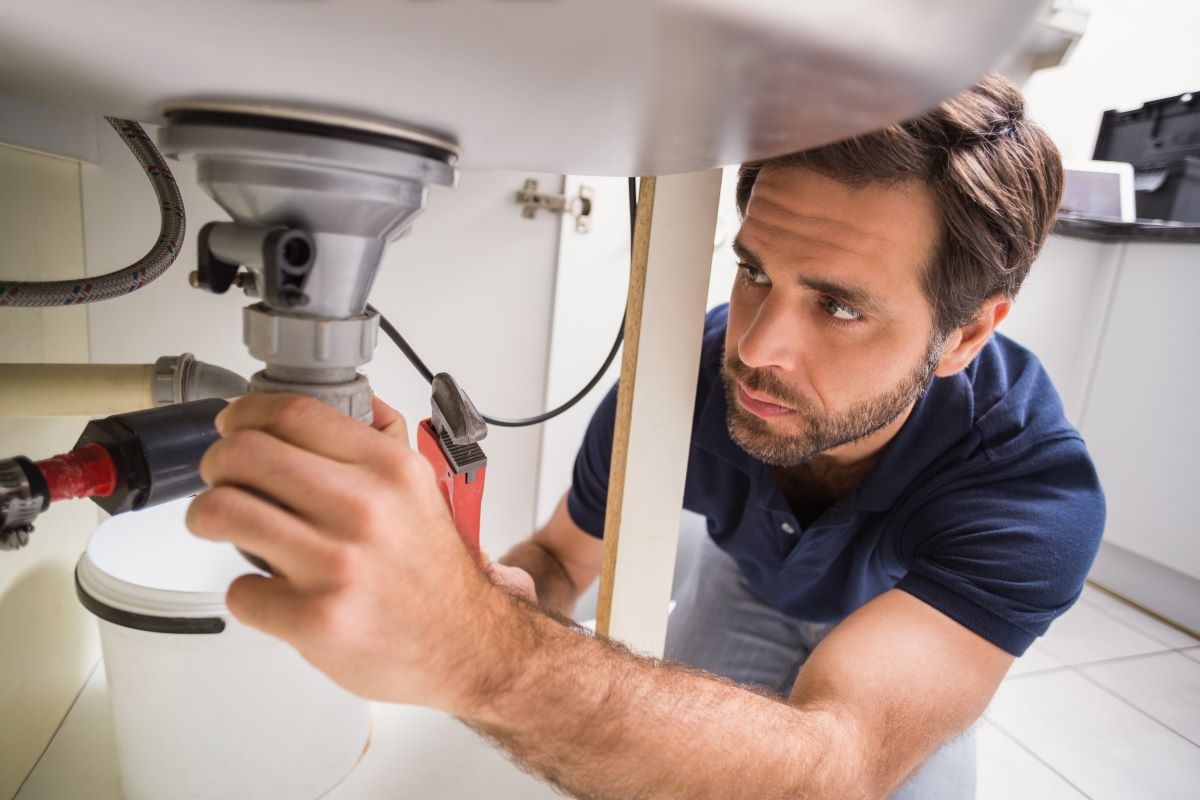
Kitchen sink overflows are predominantly caused by the progressive build-up of fats, oils, and grease inside the waste pipe. Many households pour cooled cooking fat down the sink without realising that — even when flushed with hot water — grease solidifies downstream as it cools, steadily narrowing the pipe bore. Over time, food particles, soap residue, and debris combine with this grease layer to create a significant drain obstruction.
Bathroom sinks tend to block differently, with hair and soap scum being the primary culprits. The overflow channel on most bathroom basins — that small hole near the top of the basin — serves as a safety mechanism, but it too can become blocked with residue, reducing its effectiveness.
Washing Machine Water Overflow Reasons
A washing machine overflow often catches homeowners by surprise because it tends to develop gradually. The most common causes include a blocked or clogged drain filter, a kinked drain hose preventing proper water expulsion, and a blocked standpipe or waste trap where the machine discharges. In some cases, the pump itself may be failing, preventing the machine from emptying at the correct rate during the spin cycle.
Using too much detergent is a less obvious but genuine contributing factor. Excess suds can overwhelm the drainage capacity of the standpipe, causing water to back up and overflow before it clears. Modern low-temperature washing cycles exacerbate this because they are less effective at dissolving detergent residue inside the machine and pipework.
Drain-Related Overflow Issues
Drain blockages are among the most significant residential water overflow causes, and they are worth understanding separately from fixture-level issues. When a drain becomes partially or fully obstructed, wastewater has nowhere to go and backs up through the nearest point of least resistance — which is frequently a ground-floor toilet, shower tray, or gulley.
In London, shared drainage systems add complexity. Many terraced properties and flats share a common drain run, meaning a blockage caused by a neighbouring property can cause an overflow in yours. This is a recurring issue in areas with dense Victorian housing stock. Understanding blocked drain problems in the context of your specific property type is important before assuming the source is solely within your own plumbing.
External factors such as root ingress from garden trees, collapsed pipe sections, and the build-up of fatbergs in local sewer connections also cause wastewater backup. These issues require professional drainage assessment rather than over-the-counter drain unblockers, which rarely address root causes.
Hidden Overflow Warning Signs
Not all overflows are immediately visible. Some develop behind walls, beneath floors, or within ceiling voids, causing damage long before any water becomes apparent. Identifying the warning signs of hidden overflow issues early is one of the most valuable skills a homeowner can develop.
| Warning Sign | Possible Plumbing Issue |
|---|---|
| Persistent damp patches on walls or ceilings | Leaking overflow pipe or concealed waste pipe fault |
| Musty or sewage odour without visible cause | Partial drain blockage or sewer gas ingress |
| Slow-draining fixtures across multiple rooms | Main drain obstruction or sewer surcharging |
| Gurgling sounds from drains after water use | Air displacement from partial blockage |
| Unexplained increase in water usage | Running cistern overflow or hidden pipe failure |
| Staining around floor or wall junctions | Chronic minor overflow seeping beneath surfaces |
| Mould growth in unexpected areas | Long-term hidden moisture from concealed overflow |
When multiple warning signs appear simultaneously, the underlying issue is likely more serious than a single blocked fixture. Addressing hidden plumbing issues early — before visible damage manifests — typically results in significantly lower remediation costs.
The Consequences of Unresolved Overflows
Homeowners sometimes underestimate how quickly an unresolved overflow can escalate. Within hours, water can penetrate floorboards, saturate insulation, and begin to damage structural timbers. In basement properties, which are increasingly common in London, an overflow from a ground-floor drain or bathroom can flood the lower level rapidly. The consequences of prolonged overflow issues extend beyond visible repairs — mould colonisation, compromised electrics, and structural movement are all realistic outcomes of overflows that go unaddressed. If your property includes a lower-ground floor, this related guide on why basements are vulnerable to water leaks provides additional context.
For rental properties, there is the added dimension of legal responsibility. Landlords have a duty to maintain plumbing systems in working order, and repeated unreported overflows can create significant liability.
Household Water Overflow Prevention Tips
Prevention is considerably more cost-effective than remediation. The following measures represent practical, evidence-based steps that London homeowners can implement without specialist tools.
- Fit drain guards in all sinks, baths, and showers to capture hair and debris before it enters the waste system.
- Never pour fats, oils, or grease down kitchen drains — allow them to solidify and dispose of them with general waste.
- Flush toilets only with toilet tissue — wet wipes, cotton pads, and sanitary products are a leading cause of soil pipe blockages even when labelled flushable.
- Clean washing machine filters monthly and inspect the drain hose for kinks or wear at least every six months.
- Run hot water down kitchen drains weekly to help clear minor grease accumulation before it solidifies.
- Check the external overflow pipe on your boiler and cold water tank annually to confirm it is unobstructed and discharging correctly.
- Inspect accessible drain inspection chambers annually, particularly in autumn when leaf fall is heaviest.
- Book a professional drainage inspection every two to three years, particularly for properties over 50 years old or with mature trees nearby.
- Know where your property's main stopcock is located so you can isolate the water supply immediately in an emergency.
- Address slow-draining fixtures promptly rather than waiting for a complete blockage to develop.
When to Call a Professional Plumber
There is a clear distinction between minor blockages that respond to a plunger or drain guard clean and situations that require professional intervention. Call a plumber immediately if:
- Water is overflowing and cannot be contained or stopped at source
- There is any possibility of sewage contamination in the overflow water
- Multiple fixtures are draining slowly or backing up simultaneously
- A persistent sewage or sulphur odour is present
- You suspect a structural drain fault, root ingress, or collapsed pipe
- The property has a basement or lower-ground floor at risk of flooding
Homeowners in London deal with a particularly varied set of plumbing conditions — from Victorian lead-waste fittings and clay drainage to modern pressurised systems and complex multi-occupancy arrangements. Working with experienced home plumbing specialists familiar with London's property types ensures that any diagnosis accounts for the specific infrastructure involved rather than offering generic solutions.
Frequently Asked Questions
What is a residential water overflow?
A residential water overflow occurs when water escapes beyond its intended containment within a home's plumbing system. This typically results from a blockage, mechanical failure, or excess water volume that prevents the normal flow through drains, waste pipes, or cistern mechanisms.
What are the most common causes of water overflow in a house?
The most common causes include blocked drains, toilet trap obstructions, grease accumulation in kitchen waste pipes, hair and soap build-up in bathroom drains, washing machine filter or pump issues, and faulty cistern float valves. In older London properties, ageing pipework and root ingress are also significant factors.
Can a blocked drain cause water overflow in multiple rooms?
Yes. A blockage in a main drain or shared drain run can cause simultaneous slow drainage or wastewater backup across multiple fixtures. If more than one room is affected, the blockage is likely in a communal or lower section of the drainage system rather than within a single fixture.
How do I stop a toilet overflow immediately?
Lift the cistern lid and push down the float valve to stop water filling the cistern. If the toilet bowl is overflowing due to a blockage, avoid flushing again. Turn off the isolation valve behind the toilet if accessible. Use a plunger to attempt clearance, but call a plumber if the blockage does not clear promptly.
Are hidden plumbing overflows covered by home insurance?
Coverage varies by insurer and policy. Most standard home insurance policies cover sudden and accidental water damage but may exclude gradual damage resulting from a known or ignored issue. Review your policy carefully and document the issue promptly if damage occurs.
Why does my washing machine keep overflowing?
Common causes include a blocked drain filter, a kinked or obstructed discharge hose, excess detergent creating foam that overwhelms the standpipe, or a failing pump. Check and clean the filter first. If the issue persists, a plumber or appliance engineer should inspect the machine and its drain connection.
How do I know if I have a hidden overflow?
Look for persistent damp patches, unexplained mould, musty or sewage odours, gurgling sounds from drains, or a noticeable unexplained rise in water usage. Multiple signs appearing together suggest a more serious underlying issue requiring professional investigation.
Who is responsible for drain overflows in shared drainage systems?
In most cases, blockages within your property boundary are your responsibility, while obstructions within the shared public sewer are the responsibility of the relevant water authority. However, boundary definitions can be complex, particularly in older terraced or flatted properties. A drainage survey will clarify responsibility.
How often should I have my drains professionally inspected?
For most London homes, a professional drainage inspection every two to three years is a reasonable baseline. Properties over 50 years old, homes with mature trees nearby, and basement properties may benefit from annual checks given the higher risk of root ingress, pipe deterioration, and surcharging.
Can I use chemical drain unblockers to prevent overflows?
Chemical unblockers can clear minor organic blockages but are not effective against grease build-up, scale, root ingress, or structural faults. Overuse can also degrade older pipework. Mechanical clearance and professional drainage jetting are generally more effective and less damaging for recurring blockage issues.
Need Professional Guidance?
If you are concerned about recurring overflows, slow-draining fixtures, unexplained damp, or the general condition of your home's drainage system, the most practical next step is a professional assessment. Early intervention consistently results in lower repair costs and less disruption than waiting for a problem to escalate.
Explore our professional overflow diagnosis services to understand your options, or browse our range of drainage and plumbing services to find the right support for your property's specific needs.
Safety Disclaimer
The information provided in this article is intended for educational and informational purposes only. Residential water overflow causes, warning signs, and appropriate responses vary depending on individual plumbing systems, drainage infrastructure, and property characteristics. This content does not constitute professional plumbing advice for any specific situation. If you are dealing with an active overflow, risk of flooding, sewage contamination, structural damage, or any electrical hazard near water, stop reading and seek qualified professional assistance immediately. Do not attempt to investigate or repair plumbing systems beyond your competence, particularly in properties with older or complex drainage arrangements.