Request Job Estimate
 Tap to Call

Introduction
Toilet technology is one of the most important but least discussed parts of domestic life. The story of toilet evolution history shows how sanitation systems moved from basic waste disposal toward safe, water-efficient household infrastructure. Over the past century, toilets changed in response to public health priorities, urban sewer systems, and modern plumbing standards. In the UK—especially in historic London housing stock—these changes shaped how bathrooms were built and upgraded.
Definition snippet: Toilet evolution history describes how toilet design progressed from basic waste-disposal methods to modern, hygienic, water-efficient systems connected to indoor plumbing.
What were toilets like before modern plumbing?
Before modern indoor plumbing, toilets were typically basic, poorly connected to wastewater systems, and heavily dependent on manual waste handling.
Early systems included communal privies, chamber pots, and cesspit arrangements. In dense urban areas, this created major sanitation risks. Victorian sanitation reform began changing this pattern by connecting homes to improved sewer systems.
The early development of the flush toilet
The flush toilet developed gradually through design improvements in bowl shape, trap design, cistern mechanisms, and reliable water flow control.
Early flush concepts existed before they became mainstream. The evolution of the flush toilet accelerated when sewer systems improved and indoor plumbing became more achievable.
Many people ask who invented the modern toilet. The accurate answer is that modern toilets emerged through cumulative engineering progress rather than one single final invention.
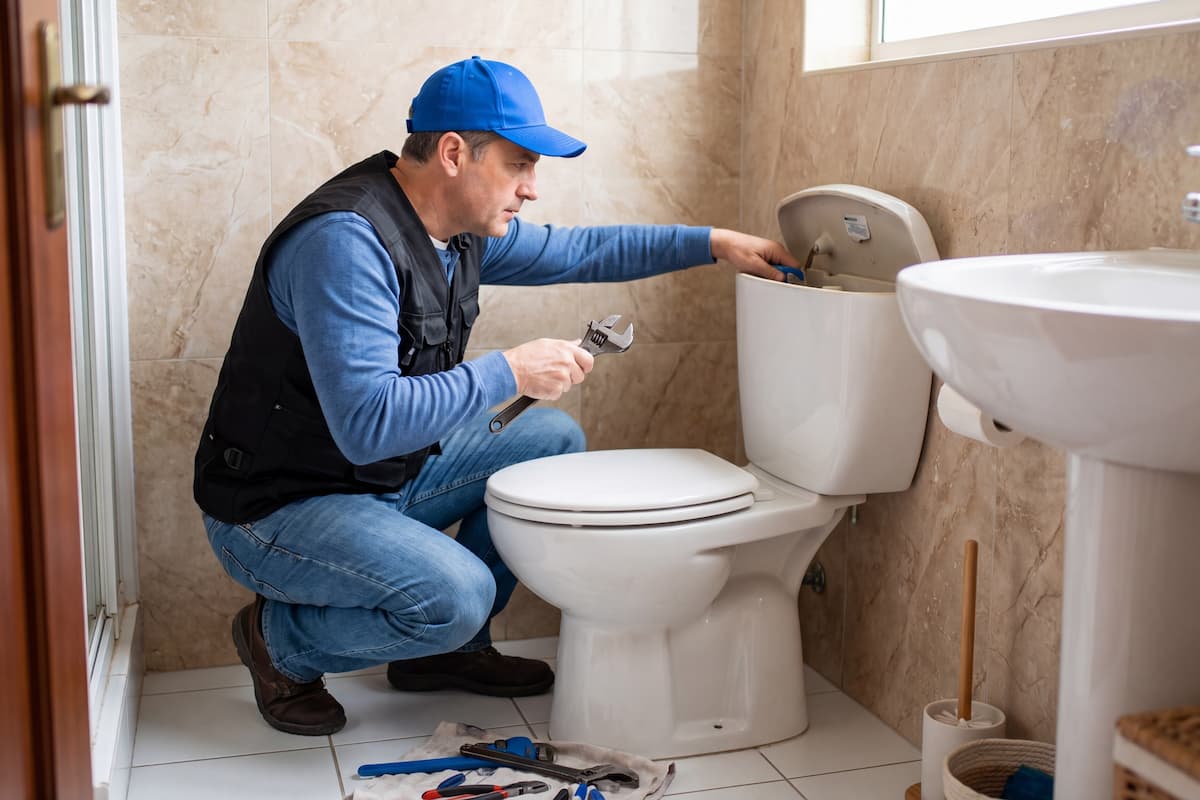
For current household performance issues with older or transitional systems, homeowners often rely on professional toilet repair and installation services.
Key milestones in toilet evolution history
The fastest way to understand modern toilet invention timeline changes is to track major practical milestones.
Historical timeline snippet:
- Pre-modern sanitation systems dominated by manual waste handling.
- Early flush concepts introduced but limited in everyday use.
- 19th-century sewer expansion enabled wider household adoption.
- 20th-century design standardisation improved reliability.
- Late 20th and 21st century innovations prioritised water efficiency and hygiene.
| Time Period | Innovation | Impact on Households |
|---|---|---|
| Pre-modern era | Privies, chamber pots, simple waste pits | Limited hygiene and weak waste management control |
| 18th–19th century | Practical flush designs and improved trap concepts | Made indoor sanitation more achievable in urban homes |
| Victorian to Edwardian period | Expansion of sewer systems and household plumbing links | Stronger sanitation outcomes in growing UK cities |
| Early-mid 20th century | Better cistern design, standardised fixtures, wider indoor installation | Improved reliability and convenience in daily use |
| Late 20th century | Low-flow and dual flush development | Reduced water use and improved conservation outcomes |
| 21st century | Smart controls, hygiene-focused features, integrated design | Higher efficiency, comfort, and modern bathroom expectations |
How toilets changed during the 20th century
During the 20th century, toilets became more reliable, more hygienic, and more integrated with everyday household plumbing.
This period shaped history of toilets past century discussions because it bridged early infrastructure with modern convenience. Key shifts included better ceramic manufacturing, stronger trapway performance, and broader indoor adoption.
In London, many period homes were upgraded in phases, so Victorian or Edwardian structures were later fitted with modern bathroom layouts.
Old style toilets vs modern toilets
Old style toilets and modern toilets differ most in water efficiency, hygiene engineering, maintenance convenience, and user expectations.
| Feature | Traditional Toilets | Modern Toilets |
|---|---|---|
| Flush volume | Typically higher water use per flush | Lower-volume, efficiency-focused flushing |
| Hygiene design | More hidden areas and cleaning difficulty | Improved bowl/rim design for easier cleaning |
| Water conservation | Limited optimisation | Strong focus on water-efficient toilets |
| Maintenance profile | More variable due to ageing components | More standardised parts and performance |
| User comfort | Functional but basic | Better ergonomics and quieter operation |
| Design flexibility | Fewer layout options | Wider range for contemporary bathrooms |
This is why old style toilets vs modern toilets is not only a design comparison; it is also a performance decision.
For homeowners considering upgrades, there are now many modern toilet installation options that suit period homes and contemporary developments.
The rise of low-flow and dual-flush toilets
Low-flow and dual-flush toilets became mainstream because water conservation moved from niche concern to core design requirement.
The low flow toilet history trend reflects changes in environmental regulation, water pricing awareness, and engineering improvements that allowed reliable performance with lower volumes.
Similarly, the history of dual flush toilets shows a practical shift: giving users different flush volumes based on need. This improved efficiency without abandoning household convenience.
Expert Insight 1
Many of the biggest toilet innovations were driven by public health concerns rather than comfort.
Expert Insight 2
Water efficiency has become one of the most significant design priorities in modern toilet development.
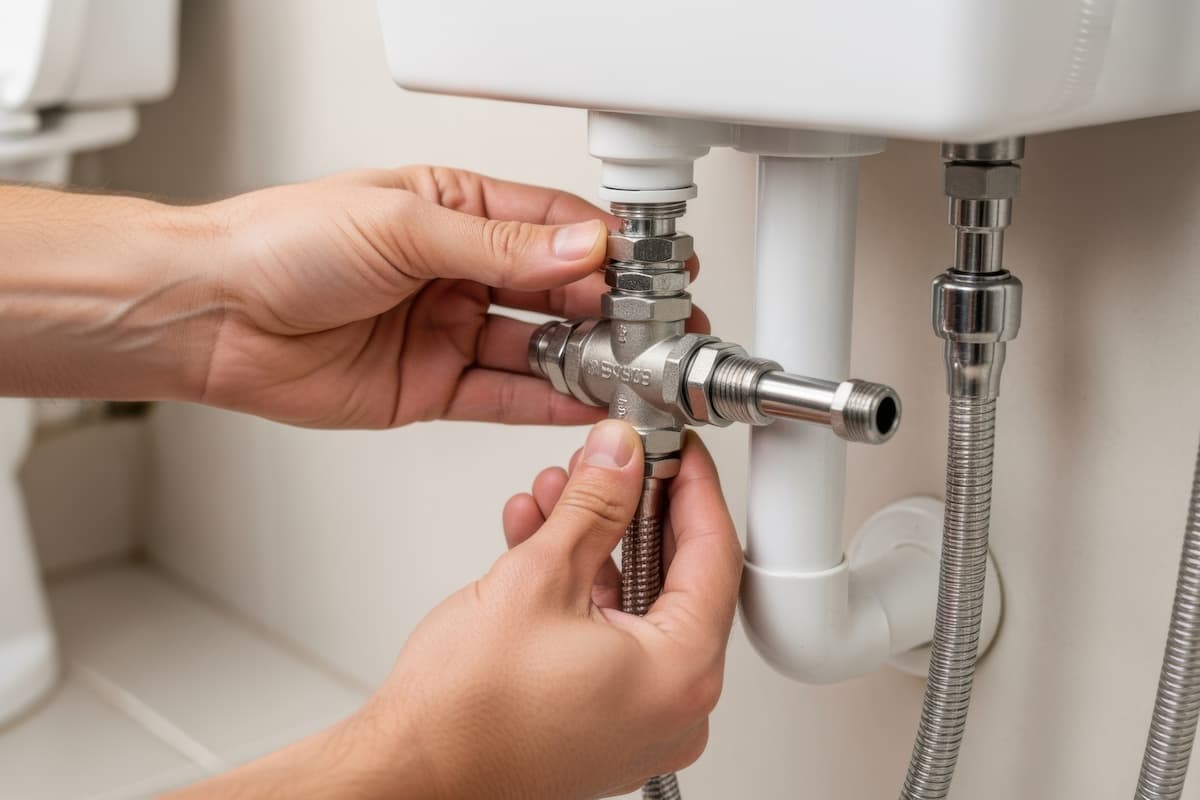
As bathrooms evolved, toilets became one component of wider bathroom plumbing solutions, not isolated fixtures.
How toilet technology continues to evolve
Toilet technology keeps evolving through incremental improvements in hygiene, water use, flushing consistency, and integration with broader household plumbing.
Recent changes in evolution of toilet design include improved internal hydraulics, cleaner surfaces, and more reliable dual mechanisms.
Even with these advances, users still face common toilet blockage issues, especially where legacy pipework or unsuitable flushing habits are factors.
This is why upgrades should consider the whole system, not just the visible toilet unit.
What future toilets may look like
Future toilet systems are likely to be more sustainable, more hygienic, and more connected to smart-home control environments.
Likely directions include better water-efficiency optimisation, improved hygiene automation, smarter diagnostics, and stronger integration with modern plumbing infrastructure.
Expert Insight 3
The future of toilet technology is likely to focus on sustainability, hygiene, and smart-home integration.
For long-term upgrades in older homes, align fixture decisions with modern residential plumbing planning and professional plumbing installation standards to reduce avoidable rework.
Industry reality check: common myths
Myth: “One person invented the fully modern toilet in one step.”
Reality: Modern toilets evolved through many engineering stages over time.Myth: “Old toilets were basically the same, just less stylish.”
Reality: Flush efficiency, hygiene design, and water use differ significantly.Myth: “Water-saving toilets always perform worse.”
Reality: Modern low-flow and dual-flush systems can perform reliably when properly selected and installed.Myth: “Historic plumbing in old properties is always easy to upgrade.”
Reality: Mixed-era household plumbing can require careful planning and system-wide assessment.
Frequently Asked Questions
What was used before flush toilets?
Before flush toilets, households commonly used privies, cesspits, and chamber pots. Waste handling was less hygienic and less consistent than modern sewer-connected systems.
Who invented the first practical flush toilet?
There was no single final inventor of the fully modern toilet. Practical flush systems developed in stages through multiple design improvements over time.
Are old toilets less efficient than modern ones?
Yes, in most cases. Older toilets usually use more water and often have less efficient internal flushing design than modern low-flow or dual-flush models.
Why were dual-flush toilets introduced?
Dual-flush toilets were introduced to improve water conservation by allowing different flush volumes based on need, reducing unnecessary water use.
How have toilets changed over the last 100 years?
They became more reliable, more hygienic, and more water-efficient, with stronger integration into modern indoor plumbing and sanitation systems.
What is the next major toilet innovation likely to be?
Likely priorities are smarter water management, higher hygiene automation, and better integration with wider home systems and sustainability goals.
Do modern toilets still get blocked?
Yes. Modern design helps, but misuse, unsuitable flush habits, and legacy drainage limitations can still cause blockage problems.
Conclusion
The story of toilet evolution history is the story of sanitation progress, engineering refinement, and changing household expectations. From basic waste systems to modern dual-flush and smart-ready designs, toilet development improved hygiene, public health, and water conservation. For UK homeowners, especially in older London properties, understanding this evolution supports better upgrade decisions.
Safety Disclaimer
Information in this article is provided for educational and informational purposes only. Historical plumbing systems, sanitation infrastructure, and toilet technologies vary significantly by property age, location, and system design. For modern plumbing concerns, installation requirements, or repair issues, seek professional assistance where appropriate.