Request Job Estimate
 Tap to Call

Introduction
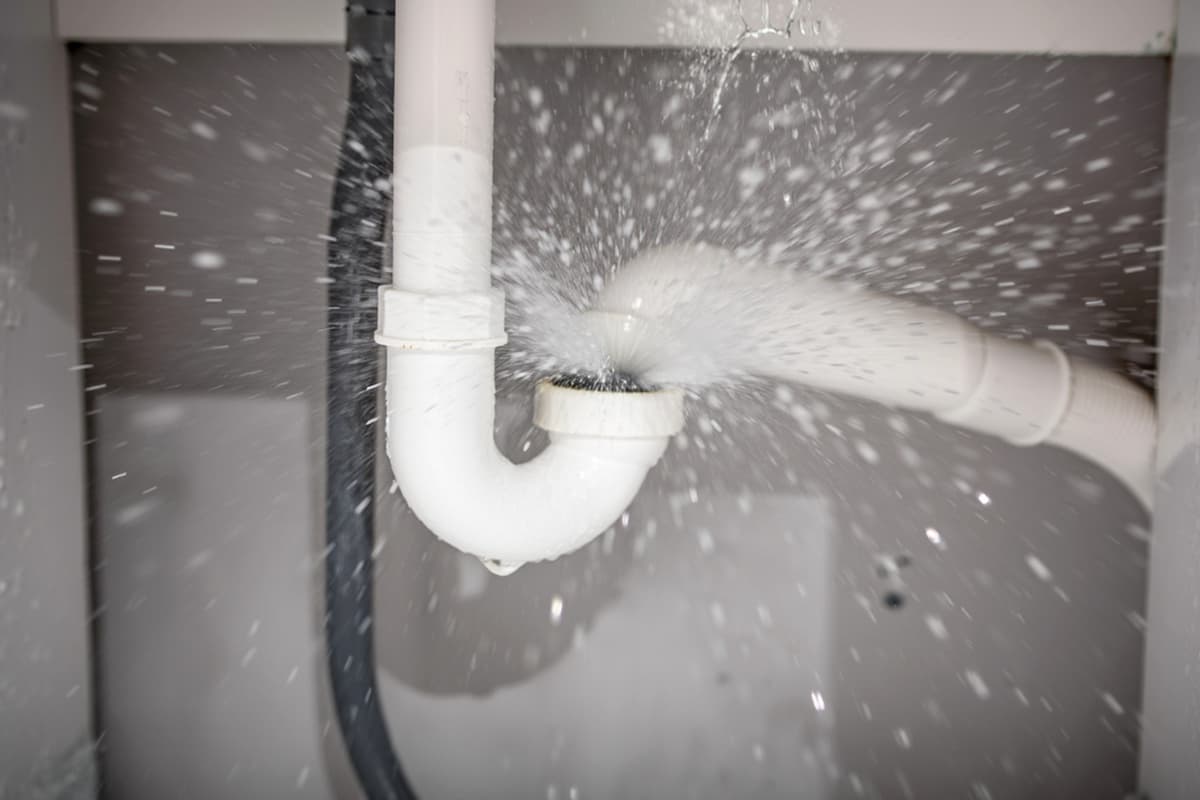
The biggest problem with hidden leaks is that they often look harmless at first. A faint damp patch, occasional musty smell, or slightly higher bill can be easy to ignore. But the risks of undetected water leaks grow over time, especially in London homes where pipework may run behind walls, beneath floors, or through building infrastructure. Small leaks can quietly drive moisture intrusion, structural deterioration, and expensive secondary repairs. Understanding what develops behind the surface helps homeowners act earlier and protect household budgets.
What are the risks of undetected water leaks?
The risks are wider than water wastage alone: hidden leaks can trigger building damage, mould growth, electrical safety concerns, insurance disputes, and long-term maintenance costs.
Undetected water leaks are plumbing leaks that continue without clear immediate visibility, allowing dampness and water ingress to spread through pipework routes, walls, floors, and structural elements before obvious failure appears.
In many homes, early indicators are subtle. Reviewing hidden plumbing leak warning signs early can prevent escalation.
Practical note
Water damage often develops long before visible signs appear.
Why are hidden leaks difficult to spot in London homes?
They are difficult to spot because leak paths are often concealed and symptoms appear away from the true source.
In Victorian and Edwardian properties, older plumbing layouts may pass through voids, chimney breasts, lath-and-plaster walls, or suspended floors. In converted flats, shared risers and layered renovations can obscure where moisture starts. This is why homeowners may notice staining in one room while the active leak sits elsewhere in the network.
Type of Hidden Leak vs Potential Consequences
| Type of hidden leak | Potential consequences |
|---|---|
| Slow pipe joint seep behind wall | Persistent dampness, plaster breakdown, mould growth from undetected leaks |
| Leak under bathroom tray or tiled area | Subfloor moisture intrusion, timber decay, odour, concealed structural weakening |
| Micro-leak in loft or riser pipework | Ceiling staining, insulation saturation, water ingress into electrical zones |
| Hidden leak in kitchen supply branch | Cabinet damage, flooring warping, elevated humidity and mould risk |
| Ongoing leak in shared building route | Cross-unit moisture spread, dispute over responsibility, delayed remediation |
| Intermittent leak near appliance connection | Hard-to-track damp cycles, high water bills from hidden leaks |
Do hidden leaks cause structural damage?
Yes, hidden leaks can damage structural components over time by repeatedly introducing moisture into materials not designed for prolonged wet exposure.
Water does not need to gush to cause harm. Repeated wetting can degrade timber strength, weaken plaster, and accelerate corrosion in embedded metal components. In period properties, prolonged dampness can compromise joist ends, skirting zones, and internal wall integrity.
Can hidden leaks damage foundations?
They can, depending on leak location, duration, drainage conditions, and soil behaviour around the property.
Most concealed domestic leaks do not immediately undermine foundations, but long-term water ingress around vulnerable external zones can alter ground moisture and contribute to movement risk in susceptible structures. This is why leak-related deterioration should be assessed early.
Do undetected leaks create mould and health concerns?
Yes. Persistent moisture supports mould growth, and poor indoor moisture control can affect comfort and health.
Damp conditions from hidden plumbing leaks encourage mould spores on colder surfaces and in low-ventilation areas. For some occupants, prolonged exposure may worsen respiratory symptoms, allergies, or general indoor air discomfort. Homes with children, older residents, or existing respiratory sensitivities are often less tolerant of sustained damp conditions.
For practical homeowner awareness, comparing symptoms with this guide to signs of hidden water leaks can help identify when investigation is needed.
Are there electrical hazards from water leaks?
Yes, there can be. Water and electrics are a high-risk combination when moisture reaches fittings, junctions, cables, or appliance circuits.
Moisture intrusion can create corrosion, tracking, and reduced reliability in electrical components, especially where leaks travel through ceilings or service cavities. If there is any sign of electrical involvement—tripping circuits, wet fittings, or moisture near consumer-side components—urgent professional assessment is essential.
Numbered warning signs homeowners should not ignore
- New damp patches that slowly expand.
- Recurrent paint bubbling, peeling, or staining.
- Musty odours that return after cleaning.
- Localised floor softness or warped boards.
- Unexplained rise in metered water usage.
- Repeated mould regrowth in the same area.
- Intermittent dripping sounds with no visible source.
- Staining near service shafts, risers, or ceiling corners.
These warning signs often appear before catastrophic failures, which is why early interpretation matters.
Why can a small leak become a major problem?
Because the most expensive damage is often secondary: materials degrade around the leak long before the leak itself is repaired.
Practical note
The most expensive consequences of hidden leaks are often secondary problems rather than the leak itself.
Escalation can include damaged finishes, subfloor repairs, mould remediation, and temporary accommodation in severe scenarios. Where moisture reaches lower levels, broader water damage and flooding risks can increase quickly.
Short-Term Effects vs Long-Term Effects of Undetected Water Leaks
| Short-term effects | Long-term effects |
|---|---|
| Damp patches and odours | Structural deterioration and repeated renovation cycles |
| Localised staining or bubbling paint | Deep material degradation and concealed rot |
| Moderate increase in water bills | Ongoing utility waste plus expensive remedial works |
| Spot mould around colder corners | Chronic mould recurrence and indoor air quality concerns |
| Temporary inconvenience at one room | Property value impact and buyer confidence reduction |
| Isolated repair requirement | Broader maintenance backlog and insurance complexity |
For wider context on progression timelines, this companion guide on long-term effects of hidden water leaks is useful.
Practical note
Many homeowners focus on water wastage while overlooking structural and electrical risks.
How do hidden leaks affect bills, insurance, and property value?
Hidden leaks can affect all three. Water wastage pushes utility costs up, unresolved dampness can complicate insurance claims, and visible or documented leak history can influence buyer confidence.
Insurers typically expect reasonable property maintenance and timely action once warning signs appear. Delays in reporting or addressing leak-related damage may lead to disputes about what is considered sudden versus gradual deterioration. For landlords and owner-occupiers alike, documented maintenance and early inspections usually strengthen outcomes.
Prevention checklist for property protection
- Monitor usage patterns and investigate unexplained bill increases.
- Treat recurring dampness as a plumbing issue until proven otherwise.
- Record dates, locations, and progression of symptoms.
- Prioritise inspection in high-risk zones (bathrooms, risers, kitchens, loft routes).
- Review old pipework in period or recently converted properties.
- Arrange periodic professional home plumbing inspections when warning signs recur.
For local homeowners, early leak detection guidance helps frame what to do before damage escalates.
Common myths and mistakes
Myth: “If I cannot see water, there is no serious leak.”
Reality: Hidden moisture can spread behind finishes for long periods.Myth: “Small leaks only affect water bills.”
Reality: Structural and electrical consequences can become far costlier.Myth: “Insurance always covers gradual leak damage.”
Reality: Coverage can depend on policy terms, maintenance history, and timing of action.Mistake: Waiting for visible flooding before acting.
Reality: Early intervention is usually less disruptive and less expensive.
Frequently Asked Questions
What happens if a water leak goes unnoticed for months?
Gradual damage often spreads through hidden areas. Over time, dampness, mould, material decay, and higher repair costs become more likely than if the issue is identified early.
Are hidden water leaks dangerous in rental properties?
They can be. Ongoing leaks can affect habitability, safety, and legal responsibilities. Prompt reporting, inspection, and documented action are important for both landlords and tenants.
Can hidden leaks reduce property value?
Yes, they can. Buyers often view unresolved damp or leak history as a risk factor, which can influence price, negotiation strength, or mortgage-related survey outcomes.
Do insurers pay for all undetected leak damage?
Not always. Outcomes vary by policy wording, maintenance records, and whether damage is classed as sudden or gradual deterioration.
How do hidden leaks increase water bills?
Even low-rate leaks run continuously, causing cumulative water wastage. The increase may look small at first, then become more obvious over multiple billing periods.
Is mould from a hidden leak a plumbing issue or a ventilation issue?
It can be both. Plumbing moisture intrusion can trigger mould growth, while poor ventilation allows it to persist. Source control and moisture management are both needed.
When should I arrange a professional inspection?
Arrange one when dampness recurs, bills rise without explanation, mould repeatedly returns, or moisture appears near concealed pipework zones.
Conclusion
The risks of undetected water leaks are less about one dramatic event and more about cumulative damage that spreads quietly through a property. Early action protects structure, indoor conditions, safety, and long-term maintenance budgets.
Safety Disclaimer
Information in this article is provided for educational and informational purposes only. Water leaks vary depending on property type, plumbing condition, leak location, and severity. If there is a risk of flooding, electrical hazards, structural damage, or significant property deterioration, seek professional assistance immediately.