Request Job Estimate
 Tap to Call
Introduction
Immersion heaters remain a familiar and important part of the hot water landscape in UK homes. Whether fitted in older Victorian terraces across South London, leasehold flats in new-build developments, or rental properties throughout the capital, immersion heaters in UK homes continue to serve as a reliable source of domestic hot water — either as a primary system or a backup when the boiler fails. Despite the widespread adoption of combi boilers in recent decades, millions of properties still rely on hot water cylinders with an immersion heater installed. For homeowners unfamiliar with how their system works, understanding the role, running costs, and practical considerations of electric immersion heating is genuinely useful knowledge.
What Is an Immersion Heater?
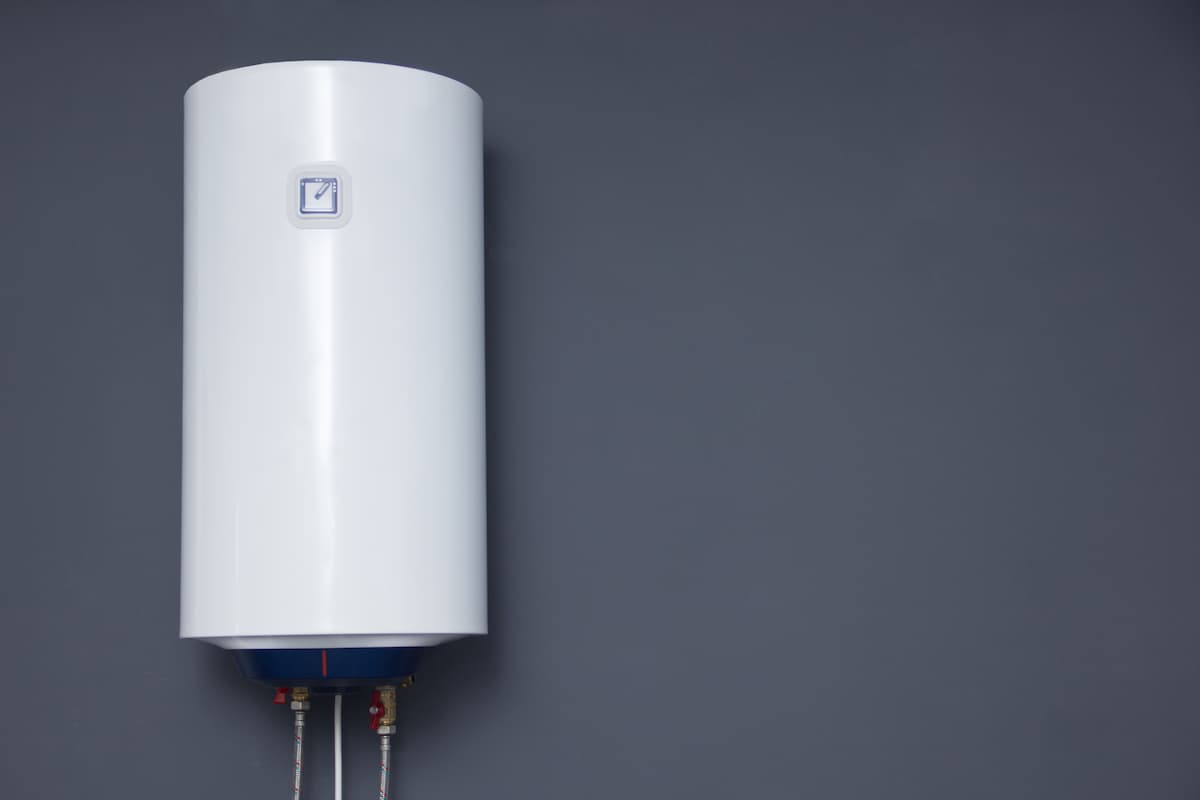
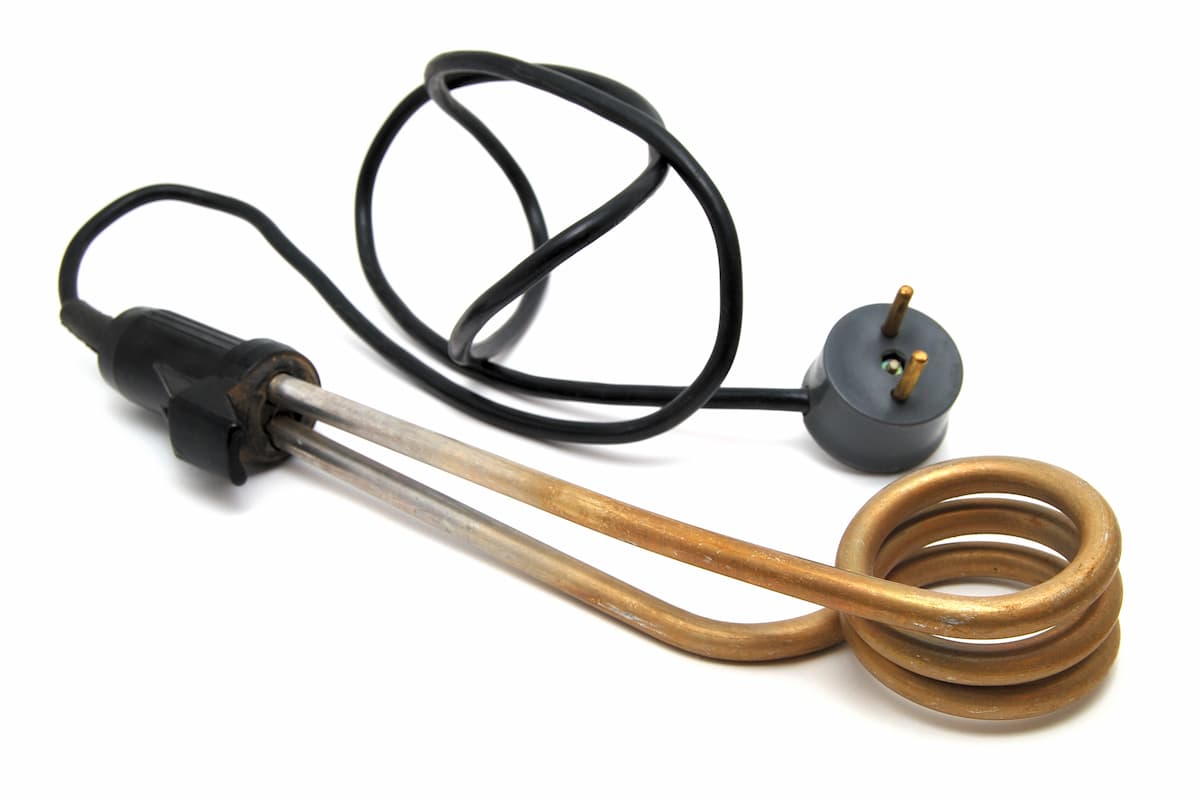
An immersion heater is an electric heating element installed directly into a hot water storage cylinder. It works much like an electric kettle element — submerged in water, it heats the stored volume to a set temperature controlled by an adjustable thermostat. When the hot water tap is opened, stored heated water is drawn from the cylinder and delivered to the outlet.
Immersion heaters are part of a broader water heating system that stores hot water for later use, in contrast to instantaneous systems like combi boilers that heat water on demand. If you're uncertain which type of system you have at home, our team offers domestic immersion heater services and can carry out a full assessment of your current setup.
They are typically installed in copper or stainless steel hot water cylinders and come in two main configurations: a single element fitted at the top third of the cylinder, or a dual-element arrangement with both an upper and lower element allowing more flexible heating options.
How Does an Immersion Heater Work in UK Homes?
Understanding how an immersion heater functions helps homeowners use their system more effectively and avoid common and costly mistakes.
The basic process works as follows:
- Cold water enters the hot water cylinder, usually from a header tank (in vented systems) or directly from the mains (in unvented systems).
- The immersion heater element, powered by mains electricity, heats the water surrounding it.
- A thermostat monitors the water temperature and cuts power once the target temperature — typically between 60°C and 65°C — is reached.
- Hot water sits in insulated storage until a tap or shower is used.
- As hot water is drawn off, cold water replenishes the cylinder, and the heating cycle begins again.
The 60°C thermostat setting is not arbitrary. Water stored below 60°C risks the growth of Legionella bacteria, which is why recognised UK domestic hot water practice recommends this minimum storage temperature as standard. Homeowners who turn the thermostat down significantly to "save money" may be introducing a genuine health risk — a common mistake that's worth being explicit about.
Immersion Heater Components and Controls
| Component | Function |
|---|---|
| Heating element | Submerged metal rod that converts electricity into heat |
| Thermostat | Cuts power when target water temperature is reached |
| Immersion heater switch | Wall-mounted isolator controlling power to the element |
| Thermal cut-out | Safety device that prevents overheating |
| Cylinder insulation | Retains heat in stored water to reduce energy loss |
| Timer/programmer | Controls when the immersion heater operates |
Understanding the Immersion Heater Switch
The immersion heater switch is a dedicated, double-pole isolator switch — usually mounted on the wall near the airing cupboard or cylinder. Many homeowners treat it like a standard on/off switch, but there's an important distinction: leaving it permanently on with no timer control means the element heats and reheats water continuously throughout the day, even when no hot water is needed. This is one of the most significant causes of inflated running costs in homes with immersion heaters.
A mechanical or electronic timer fitted to the immersion heater circuit resolves this immediately, allowing water to be heated at scheduled times rather than continuously.
How Immersion Heaters Integrate with Hot Water Cylinders
The immersion heater does not operate in isolation — it functions as part of the wider hot water cylinder systems installed in the property. The cylinder itself is a critical component: a well-insulated cylinder retains heat for many hours, meaning the immersion heater doesn't need to run constantly to maintain supply.
UK homes typically have one of two cylinder configurations. Vented cylinders are fed by gravity from a cold water tank in the loft and operate at low pressure. Unvented cylinders connect directly to the mains and deliver hot water at higher pressure. Both can accommodate an immersion heater element.
For a clear explanation of how each configuration works and which is suited to different properties, our guide to vented and unvented hot water cylinders covers this in detail. The type of cylinder in a property affects how the immersion heater is specified, so this distinction genuinely matters when assessing efficiency or planning any upgrades.
Economy 7 and Immersion Heater Settings
Economy 7 is an off-peak electricity tariff available in the UK that provides cheaper electricity rates — typically between midnight and 7am — in exchange for a higher daytime rate. For properties with immersion heaters and adequate cylinder storage, Economy 7 can significantly reduce the cost of electric water heating.
The practical application is straightforward: programme the immersion heater timer to operate during the off-peak hours, heating a full cylinder overnight at the lower rate. Provided the cylinder is well insulated and sized appropriately for household demand, this stored hot water will remain usable well into the following day.
However, Economy 7 is frequently misunderstood. Some homeowners switch to the tariff but continue running the immersion heater during peak daytime hours, effectively paying a premium rate for electricity that is more expensive than a standard tariff. The tariff only delivers savings when off-peak use is substantial enough to offset the higher daytime rate — ideally 40% or more of total electricity consumption occurring overnight.
Economy 7 meters require correct programming and a clear understanding of the rate windows, which vary slightly by supplier and region. If you're unsure whether your tariff and timer settings are properly aligned, it's worth having them reviewed.
Cost of Running an Immersion Heater in the UK
Running costs are the most common concern homeowners raise about immersion heaters, and for good reason — electric water heating is more expensive per unit of energy than gas. At current UK electricity rates (approximately 24p per kWh as a general reference point, though rates vary), a 3kW immersion heater running for two hours costs roughly £1.44 per day, or around £525 per year if used daily.
Several factors influence the actual cost in practice:
- Thermostat setting — higher temperatures require more energy to reach and maintain
- Cylinder insulation quality — a poorly insulated cylinder loses heat faster, triggering more frequent reheating cycles
- Timer control — uncontrolled continuous use dramatically increases running costs
- Household demand — larger households drawing more hot water will use the element more frequently
- Tariff type — Economy 7 off-peak rates can reduce costs for appropriate users
Replacing an ageing, unlagged cylinder or fitting a modern factory-insulated cylinder can make a measurable difference to heat retention and overall running costs. This is a practical investment many London homeowners overlook.
Immersion Heater vs Combi Boiler: Key Differences
The comparison between immersion heaters and combi boilers is a frequent source of confusion, partly because they operate on entirely different principles.
| Feature | Immersion Heater | Combi Boiler |
|---|---|---|
| Energy source | Electricity | Gas (typically) |
| Hot water delivery | Stored in cylinder | Instantaneous on demand |
| Running cost | Higher (electric) | Lower (gas, per kWh) |
| Pressure | Depends on cylinder type | Mains pressure |
| Backup capability | Yes — independent of boiler | No independent backup |
| Property suitability | Flats, older homes, cylinder systems | Most modern UK properties |
| Installation complexity | Lower | Higher |
| Maintenance | Element and thermostat | Annual boiler service required |
Combi boilers are the dominant heating system in new UK homes because they eliminate the need for a storage cylinder and deliver mains-pressure hot water on demand at a lower energy cost. However, a combi boiler is not universally superior. Properties with multiple bathrooms and high simultaneous hot water demand, older buildings where installing a combi would require significant pipework modification, and London flats with limited space for a boiler flue are all scenarios where a cylinder-based system with an immersion heater remains a legitimate and practical solution.
Immersion Heaters as Backup Hot Water Systems
One of the most practical roles an immersion heater plays in modern UK homes is as a backup hot water source. In properties where the primary heating is provided by a gas boiler serving both the radiators and the hot water cylinder (via a coil heat exchanger), the immersion heater sits dormant under normal operation. When the boiler fails — which in a London winter is an urgent problem — the immersion heater can be switched on immediately to maintain hot water supply while boiler repairs are arranged.
This backup function is frequently overlooked by homeowners who don't realise their cylinder has an immersion heater fitted, or who don't know where the switch is located. It's a straightforward contingency that avoids the immediate loss of all hot water during a boiler breakdown.
If you've experienced a situation where your hot water has stopped unexpectedly, our page on common hot water problems explains the most frequent causes and what to check first. You may also find this related guide useful: why hot water delivery time varies in homes.
Benefits and Limitations of Immersion Heaters
Benefits:
- Independent of the boiler — provides hot water even if central heating fails
- Simple installation with few moving parts
- Compatible with a wide range of cylinder types and property configurations
- Compatible with Economy 7 tariffs for cost management
- Reliable and long-lasting when maintained correctly
- Suitable for properties where gas is unavailable
Limitations:
- Electricity is more expensive per kWh than gas in the UK
- Requires adequate cylinder storage — not suitable for instant hot water
- Running costs can be high without proper timer control
- Older elements and thermostats may degrade and reduce efficiency
- Not a replacement for central heating — immersion heaters heat water only, not radiators
It is a persistent myth that running an immersion heater also heats the radiators in a property. Immersion heaters are solely for domestic hot water. Central heating requires a boiler. This misunderstanding occasionally leads homeowners to rely on an immersion heater during a heating failure and be surprised when the radiators remain cold.
Maintenance and Performance Considerations
Immersion heater elements have a typical lifespan of 10–15 years, though this varies depending on local water hardness. In hard water areas — which includes much of London — limescale accumulates on the element over time, reducing its efficiency and eventually causing failure. A scaled element takes longer to heat the same volume of water, consuming more electricity in the process.
Thermostat failure is another common issue. A faulty thermostat may allow the element to overheat the water — occasionally triggering the thermal cut-out — or may cut out prematurely, leaving water insufficiently heated. If your immersion heater is running but the water isn't reaching temperature, a thermostat issue is often the cause.
Annual inspection of the element, thermostat, and immersion heater switch as part of routine property maintenance is sensible, particularly in older homes. For replacement or upgrade work, our water heater installation and repair services cover immersion heater element and thermostat replacement across London.
Practical Guidance: Using an Immersion Heater Efficiently
For homeowners currently using an immersion heater as a primary or backup hot water source, the following practical measures make a genuine difference to both cost and performance:
- Fit a timer — programme the heater to run only when hot water is needed
- Set the thermostat correctly — 60°C is the recommended minimum; do not drop below this
- Insulate the cylinder — if the cylinder lacks a factory-insulated jacket, fit a British Standard cylinder jacket
- Check the element annually — particularly in hard water areas like London
- Consider Economy 7 — if the majority of your hot water use can shift to overnight, the tariff may reduce costs
- Know where the switch is — ensure all household members know the location of the immersion heater switch for emergency backup use
Our experienced home plumbing specialists can advise on system optimisation, timer installation, element replacement, and cylinder upgrades across all London boroughs.
Frequently Asked Questions
What is an immersion heater and how does it work?
An immersion heater is an electric heating element fitted inside a hot water storage cylinder. It heats water directly, similar to a kettle element, and is controlled by a thermostat that cuts power once the target temperature — typically 60°C — is reached.
Is an immersion heater expensive to run in the UK?
It can be. Electricity is more expensive per unit than gas, so running costs are higher than a gas boiler. However, using a timer to avoid unnecessary heating, fitting adequate cylinder insulation, and using an Economy 7 tariff where appropriate can all reduce costs significantly.
Does an immersion heater heat radiators?
No. Immersion heaters only heat stored water in the cylinder for domestic hot water use — taps, showers, and baths. They have no connection to the central heating circuit and cannot heat radiators.
What is the purpose of the immersion heater switch?
It is a dedicated electrical isolator that controls power to the immersion element. It should not be left permanently on without a timer — continuous use without time control is one of the primary causes of high running costs.
How do Economy 7 settings work with an immersion heater?
Economy 7 provides cheaper off-peak electricity, typically overnight. You programme the immersion heater timer to run during these cheaper hours, heating a full cylinder overnight. This only reduces costs if the majority of your electricity use occurs during off-peak hours.
How long does an immersion heater element last?
Typically 10–15 years, though this is reduced in hard water areas due to limescale accumulation. London's hard water supply means elements may require replacement or descaling sooner than in softer water regions.
What temperature should I set my immersion heater thermostat?
60°C is the standard recommended setting. This is high enough to prevent Legionella bacterial growth in stored water. Do not reduce the thermostat significantly below this temperature as a cost-saving measure.
Can I use an immersion heater as backup when my boiler breaks down?
Yes — if your property has a hot water cylinder with an immersion heater element, you can switch it on to maintain hot water supply during a boiler failure. This is one of the most practical benefits of having an immersion heater in the system.
Should I leave my immersion heater on all the time?
No. Leaving it permanently on without a timer wastes electricity and inflates running costs. Use a timer to heat water at the times your household actually needs it.
Can an immersion heater element be replaced without replacing the whole cylinder?
Yes, in most cases. The element and thermostat are replaceable components. However, this work involves electrical connections and should only be carried out by a suitably qualified engineer.
Need Help with Your Immersion Heater or Hot Water System?
If you're unsure whether your immersion heater is operating efficiently, need an element or thermostat replaced, or want to understand your options for improving your home's hot water system, the team at Emergency Plumber London is available to help. Whether you have an older cylinder-based system in a period property or a modern unvented installation in a London flat, professional guidance makes a genuine difference to performance, safety, and running costs. Explore our related services or get in touch to arrange a consultation.
Safety Disclaimer
The information in this article is provided for educational and informational purposes only. Immersion heaters, hot water cylinders, thermostats, electrical controls, and associated plumbing components vary between properties and installations. Electrical water heating work, including element replacement, thermostat adjustment, and timer installation, must only be carried out by suitably qualified and registered professionals. If you are unsure about any aspect of your hot water system, seek professional advice before making changes.