Request Job Estimate
 Tap to Call

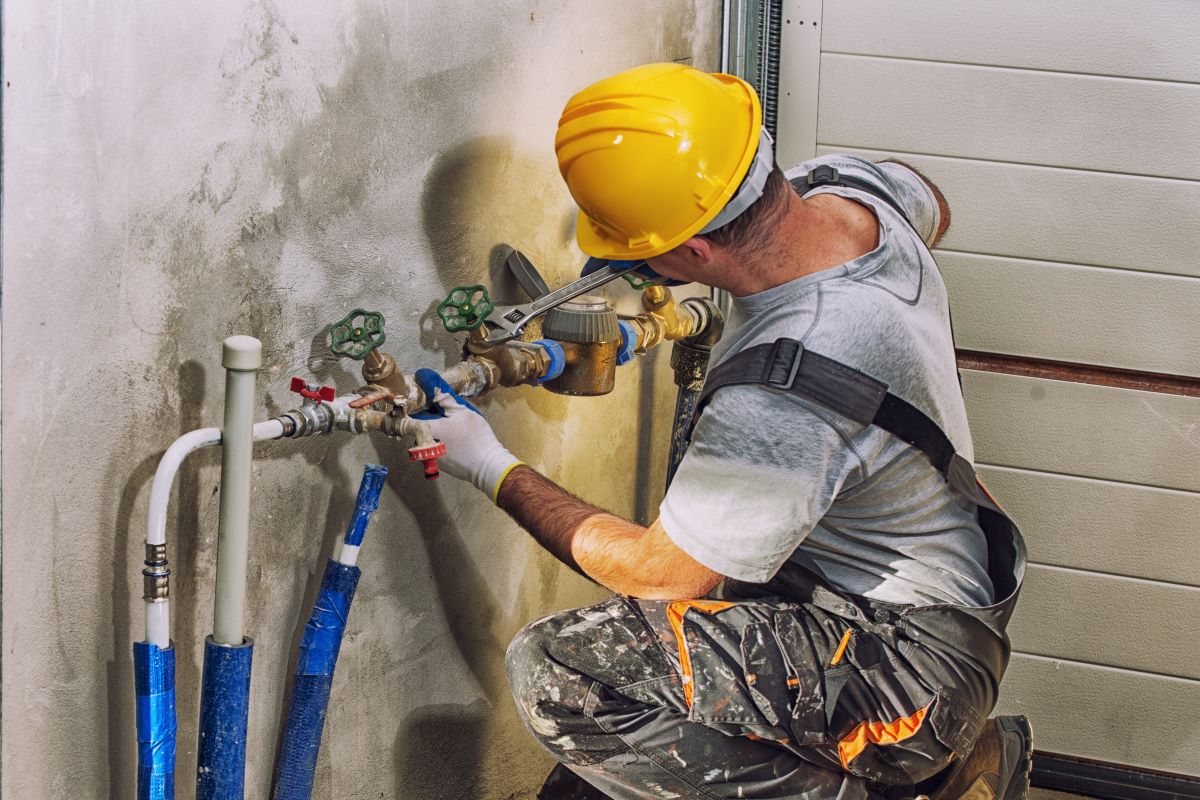
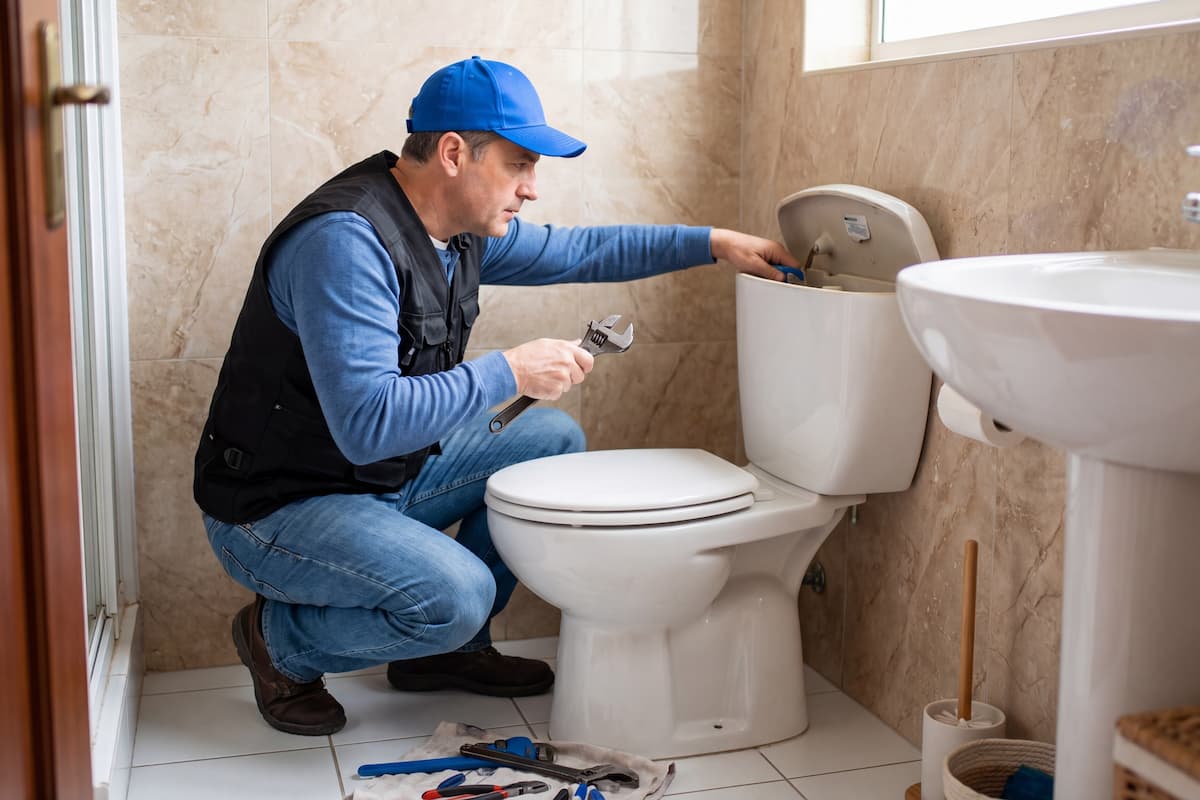
Knowing how to detect hidden plumbing problems early is one of the most valuable skills a London homeowner can develop. Unlike a burst pipe or an overflowing toilet, hidden plumbing issues can silently progress behind walls, beneath floors, and inside ceiling voids for weeks or even months before any visible sign appears. By the time damp patches or mould growth become obvious, the underlying damage may already be significant. Acting on subtle early warning signs — a marginal rise in your water bill, a faint musty odour, or slightly soft flooring — can be the difference between a straightforward repair and a costly structural intervention. This guide covers the most reliable indicators to watch for, the inspection methods available to homeowners, and the situations where professional plumbing diagnostics are essential.
Key Takeaways
- ✓ An overnight water meter test costs nothing and is the most accessible early leak check available to any homeowner
- ✓ Visible damp patches rarely mark the actual leak source — water travels along structural elements before surfacing, often metres away from the fault
- ✓ Slow drains, gurgling sounds, and persistent sewer odours are early sewer line fault indicators commonly overlooked until a full blockage occurs
- ✓ Escape of water claims are among the most common domestic property insurance claims in the UK — early detection and prompt reporting matters
- ✓ London's older housing stock means a significant proportion of properties still contain pipework well beyond its practical service life
Why Plumbing Problems So Often Go Unnoticed
Modern and period properties alike conceal the majority of their pipework inside wall cavities, beneath concrete or timber floors, and above suspended ceilings. In London specifically, the housing stock presents particular challenges. Victorian and Edwardian properties frequently retain original lead or iron pipework, while converted flats often have shared drainage stacks and supply lines that pass through multiple units, making it genuinely difficult to trace where a fault originates.
Hidden plumbing leaks are especially deceptive because water travels. A leak originating from a joint behind a first-floor bathroom wall may not manifest until a damp patch appears on the ground-floor ceiling below it — sometimes metres away from the actual source. This displacement of visible symptoms from the actual fault point causes homeowners and even untrained tradespeople to misidentify the problem, leading to repairs in the wrong location.
Engaging hidden plumbing leak investigations at the earliest opportunity, rather than waiting for damage to become undeniable, consistently results in lower repair costs and less disruption to the property.
Early Warning Signs of Hidden Plumbing Issues
Unexplained Increases in Your Water Bill
An unexplained rise in your water bill is one of the earliest and most reliable indicators of a hidden leak. Thames Water and other London suppliers bill based on actual consumption for metered properties, so a sudden increase in usage without a corresponding change in household behaviour warrants investigation rather than assumption.
A useful baseline check is to record your water meter reading before going to bed, avoid using any water overnight, and check the reading again in the morning. If the meter has advanced, water is leaving the system somewhere it should not be. This simple test costs nothing and can confirm or rule out an active leak before more invasive investigation begins.
A common mistake homeowners make is attributing a higher water bill to a recent visit from family or a change in season, dismissing what may be an early signal of a slow but progressive leak.
Damp Patches, Discolouration, and Mould Growth
Damp patches on walls or ceilings, yellowish or brownish staining, and unexplained mould growth in areas that are not naturally humid — such as a mid-wall section away from a window — are strong indicators of moisture intrusion from concealed pipework.
In basement properties and ground-floor conversions, rising damp and plumbing leaks can present with similar surface symptoms, which is why identifying the moisture source correctly matters. Mould appearing consistently in the same location despite repeated treatment is almost always a sign of an ongoing moisture source rather than a one-off condensation event.
Recognising the warning signs of hidden water leaks early reduces the risk of mould-related health concerns and prevents secondary damage to plasterwork, insulation, and structural timbers.
Low Water Pressure
A noticeable drop in water pressure — particularly if it affects only one part of the property rather than the whole system — can indicate a leak, partial blockage, or joint failure within the supply pipework. In older London homes with lead or galvanised steel pipework, internal corrosion and scale build-up can gradually restrict flow, but a sudden pressure drop typically points to an acute fault rather than a gradual deterioration.
Low pressure in an upstairs bathroom combined with normal pressure downstairs often suggests a fault somewhere in the rising supply line, while widespread pressure loss across the property may indicate an issue closer to the mains connection or within the main supply pipe serving the building.
Soft Flooring, Warping, and Unexplained Structural Changes
Timber floorboards that feel soft, springy, or that creak differently than they previously did can signal prolonged moisture exposure beneath the floor. Similarly, lifting or buckling laminate, warping skirting boards, or cracking around tiled surfaces adjacent to pipework should not be dismissed as general wear.
In properties with underfloor pipework — including some modern developments and older homes with central heating systems running beneath screeded floors — leaks can saturate the substrate extensively before any surface symptom appears. By the time flooring visibly lifts, the subfloor material and potentially the structural joists below may already be compromised.
Checking Your Water Meter for Hidden Leaks
The water meter test described earlier is worth expanding upon, as it remains one of the most accessible plumbing diagnostics available to any homeowner without specialist equipment.
A step-by-step meter check:
- Locate your water meter — typically found in a small chamber near the front boundary of the property or under the kitchen sink in flats.
- Note the current meter reading, including the red digits that represent litres.
- Ensure no water is used anywhere in the property for at least 30 minutes (ideally overnight).
- Re-read the meter. Any movement confirms active water flow, which — with no usage occurring — indicates a leak somewhere in the supply system.
- If the meter has advanced, check whether the movement stops when the internal stopcock is closed. If it does, the leak is internal. If the meter continues to advance with the stopcock closed, the fault lies in the supply pipe between the meter and the stopcock, which is the homeowner's responsibility to maintain in most cases.
For further guidance on methods for detecting concealed leaks, including acoustic and thermal detection approaches used by qualified engineers, professional resources are available to support more complex investigations.
Hidden Plumbing Warning Signs at a Glance
| Warning Sign | Possible Cause |
|---|---|
| Unexplained rise in water bill | Hidden supply pipe leak or running overflow |
| Damp patches or ceiling stains | Leaking joint, pipe, or overflow behind structure |
| Mould growth in non-humid areas | Persistent moisture intrusion from concealed pipework |
| Low or inconsistent water pressure | Pipe fracture, joint failure, or significant blockage |
| Soft, warping, or lifting flooring | Prolonged sub-floor moisture from underfloor pipework |
| Musty smell in enclosed spaces | Slow leak causing trapped damp within wall or floor void |
| Visible wall cracks near pipework | Moisture expansion or settlement caused by prolonged leaks |
| Gurgling sounds from drains | Early-stage sewer line partial blockage |
Early Signs of Sewer Line and Drainage Problems
Drainage faults are frequently overlooked until a full blockage or sewage backup makes them impossible to ignore. The early indicators are subtler but worth knowing.
Gurgling sounds emanating from plug holes or toilets — particularly after other fixtures have been used — suggest air being displaced by a partial blockage or a compromised vent stack. Slow-draining sinks or baths that have always drained well and then progressively slow without explanation indicate build-up within the drain line rather than a surface blockage that can be cleared with a plunger.
A persistent sulphurous or sewer-like odour within the property, particularly in ground-floor rooms or near drainage access points, may indicate a cracked or displaced drain below floor level, allowing sewer gases to permeate the structure. This is a concern that warrants prompt professional attention, as prolonged sewer gas exposure presents a genuine health risk.
For London properties situated above older clay or cast iron drainage runs — which are commonplace in Victorian and Edwardian streets — root intrusion from adjacent trees is an additional cause of slow blockage development. This is rarely visible until a CCTV drain survey is carried out.
The Consequences of Delayed Detection
Ignoring the early indicators described above does not make the underlying problem smaller — it consistently makes it larger. A slow drip from a poorly seated compression fitting may cost very little to address when caught early. Left for six months behind a tiled bathroom wall, the same fault can cause timber rot, plasterboard saturation, tile adhesion failure, and potential structural damage to supporting elements.
The relationship between delayed leak detection and water damage and flooding risks is well established in property maintenance practice. Insurance claims related to escape of water are among the most common domestic property claims in the UK, and insurers increasingly scrutinise whether reasonable maintenance and early reporting steps were taken before damage occurred.
Homeowner Checks vs Professional Inspection Methods
| Homeowner Check | Professional Inspection Method |
|---|---|
| Water meter test (overnight no-use check) | Acoustic leak detection using ground microphones |
| Visual inspection for damp, staining, mould | Thermal imaging camera survey |
| Checking water pressure at outlets | Pressure testing of supply and heating circuits |
| Listening for gurgling or unusual drain sounds | CCTV drain survey |
| Noting soft or warping flooring near pipework | Endoscopic pipe inspection |
| Monitoring water bill for unexplained increases | Flow rate analysis and consumption monitoring |
Ageing Pipework and Property-Specific Risks
London's ageing housing stock means that a significant proportion of properties still contain pipework well beyond its practical service life. Lead supply pipes — found in properties built before the 1970s — are not only a potential health concern due to lead leaching but are also more prone to joint failure and pinhole corrosion as they age. Galvanised steel pipework, common in mid-twentieth-century properties, corrodes internally over time, restricting flow and eventually failing at joints or thin sections.
In converted flats, shared pipework presents an additional layer of complexity. A leak originating within another flat's pipework can affect your ceiling or floor before it becomes apparent in the flat where the fault lies. Leaseholders in these situations often need professional assistance to establish responsibility and trace the source accurately.
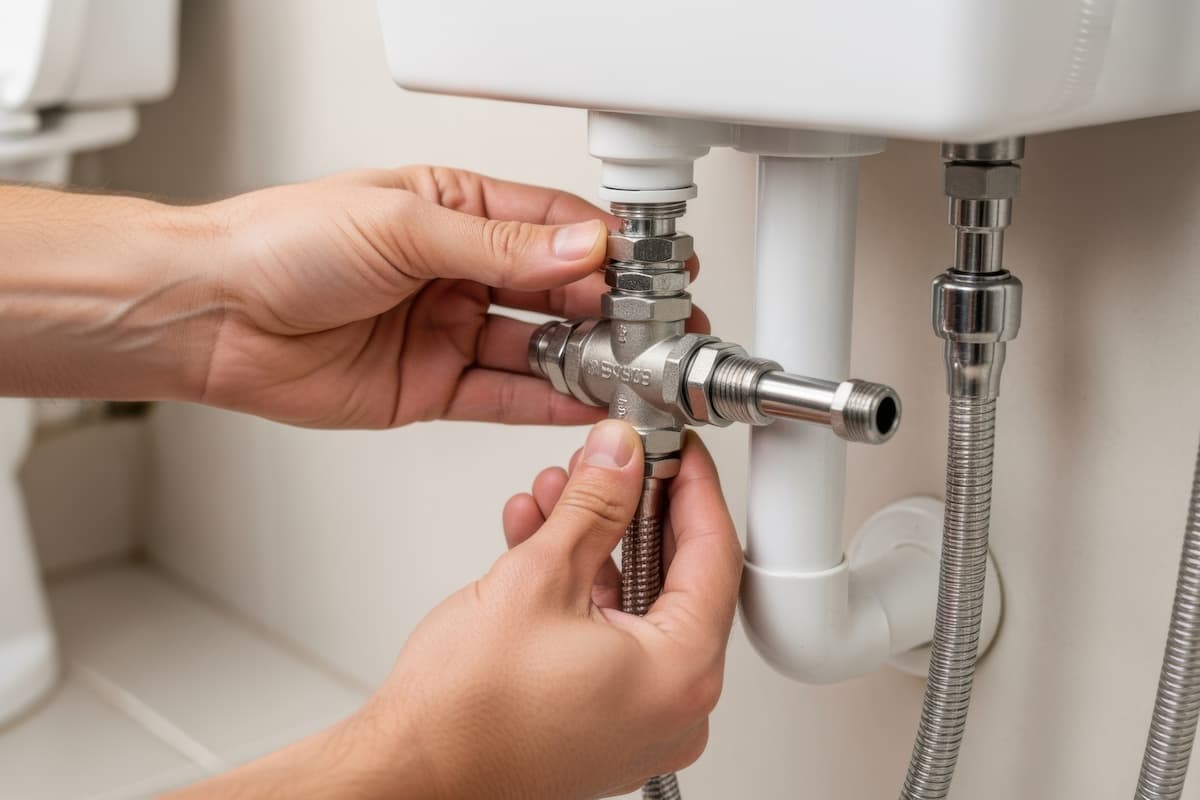
Understanding when pipework replacement considerations become relevant — rather than continuing to repair ageing infrastructure repeatedly — is a practical aspect of long-term property maintenance planning that can prevent recurring hidden leak problems.
Preventative Inspection Strategies for London Homeowners
The most effective approach to hidden plumbing problems is a structured annual inspection rather than reactive investigation after damage appears. This does not necessarily mean a full professional survey every year, but it does mean a systematic homeowner review of the most common failure points combined with professional attention when warning signs appear.
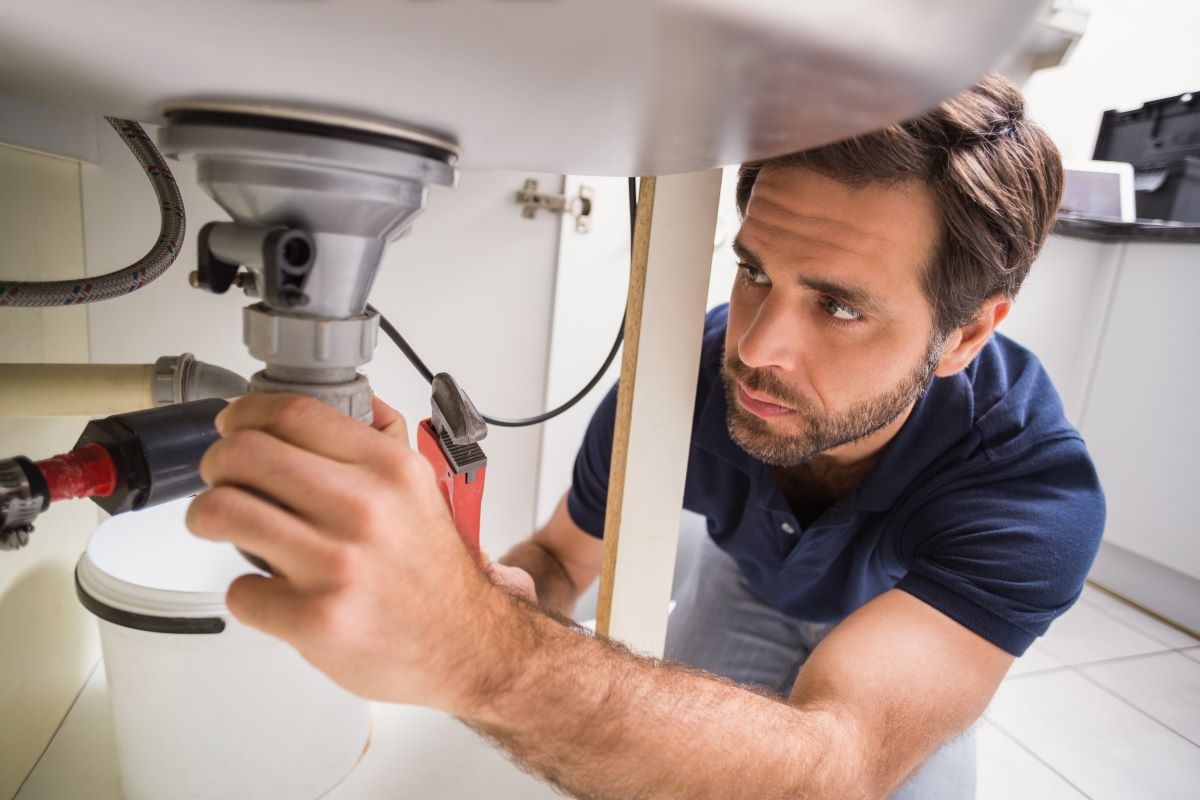
Practical steps include checking under sinks for moisture or staining every few months, inspecting visible pipework in loft spaces and under-stair cupboards for corrosion or joint weeping, and monitoring water bills relative to seasonal usage patterns. Properties with combination boilers should have their system pressure checked periodically, as gradual pressure loss in a sealed heating circuit often indicates a slow leak within the system.
Where warning signs are present, or where a property has not had a plumbing review in several years, arranging professional home plumbing inspections provides a structured baseline assessment and identifies any areas requiring attention before they develop into significant faults.
Frequently Asked Questions
What are the first signs of hidden plumbing problems?
The earliest signs are typically an unexplained rise in the water bill, a faint musty smell in enclosed rooms, damp patches on walls or ceilings away from windows, and slightly soft or creaking floorboards near pipework. These indicators often appear well before any visible water damage becomes apparent.
Can I use my water meter to check for a hidden leak?
Yes. Turn off all water-using appliances, record the meter reading, and check again after 30–60 minutes without using any water. If the reading has changed, water is actively flowing somewhere in the system, which strongly suggests a leak rather than normal usage.
How often should a London homeowner have their plumbing inspected?
A professional plumbing inspection every two to three years is a reasonable baseline for properties over 20 years old. Older Victorian or Edwardian properties with original or partially replaced pipework benefit from annual checks, particularly before and after winter when freeze-thaw stress can affect joints and older pipe materials.
Does home insurance cover hidden plumbing leaks?
Most standard home insurance policies include trace and access cover for hidden leaks, though the extent varies significantly between policies. Insurers typically expect homeowners to have acted on visible warning signs rather than ignored them. A sudden and accidental escape of water is generally covered; gradual deterioration caused by lack of maintenance often is not.
What technology do professionals use to find hidden leaks?
Qualified leak detection engineers use acoustic listening devices to identify the sound signature of escaping water through structure, thermal imaging cameras to detect temperature variations caused by moisture, and CCTV drain cameras for drainage investigation. These non-invasive methods can frequently locate a fault without requiring exploratory opening of walls or floors.
Can a hidden leak cause structural damage?
Yes. Prolonged moisture exposure from an undetected leak can cause timber rot in joists and studwork, plasterboard deterioration, tile adhesion failure, and in serious cases, settlement or movement in structures where water has undermined foundations or saturated load-bearing materials. Early detection significantly reduces the risk of structural involvement.
Are basement properties more vulnerable to hidden leaks?
Basement conversions and lower-ground-floor flats face elevated exposure to both below-ground moisture intrusion and drainage-related issues, as drainage gradients can be shallower and pipework older. Tanking membranes can fail over time, and distinguishing between groundwater ingress and a plumbing leak often requires professional investigation.
What mistakes do homeowners commonly make when investigating leaks themselves?
A common error is assuming the visible damp patch marks the leak location. Water travels along structural elements before appearing at the surface, often metres from the source. Homeowners also frequently confuse condensation with leak-related moisture, and sometimes apply surface treatments — such as anti-mould paint — that temporarily mask symptoms without addressing the cause.
Is a sudden drop in water pressure always related to a leak?
Not always. Pressure drops can result from supply interruptions, stopcock partial closure, pressure reducing valve faults, or internal scale build-up in older pipework. However, a sudden unexplained pressure drop combined with other warning signs — such as damp patches or meter movement — does indicate a leak requiring investigation.
How do I know if my sewer line has a problem?
Early sewer line indicators include persistently slow drainage across multiple fixtures, gurgling sounds from drains or toilets when other water points are used, recurring drain odours within the property, and unusually lush or waterlogged patches in the garden above the drain run. A CCTV drain survey is the definitive method for confirming a sewer line fault.
Next Steps
If any of the warning signs described in this guide are present in your property, the most sensible course of action is to seek a professional assessment sooner rather than later. Early investigation is almost always more straightforward and less disruptive than waiting for a problem to become visibly severe.
To learn more about how hidden plumbing faults are identified and resolved, or to arrange a professional inspection for your London property, get in touch with Emergency Plumber London. Acting on early indicators is the most effective way to protect your property, manage maintenance costs, and avoid the disruption that significant water damage invariably brings.
Safety Disclaimer
The information provided in this article is for educational and informational purposes only. Hidden plumbing problems vary depending on property age, pipe materials, system condition, construction type, and environmental factors. Warning signs described here may have multiple possible causes, and accurate diagnosis requires professional assessment. Leak investigations, pipework inspections, pressure testing, and structural assessments should be carried out by qualified and appropriately insured professionals. Do not attempt to open walls, floors, or ceilings to investigate suspected leaks without professional guidance, as this can cause further damage or disturb hazardous materials such as asbestos in older properties.