Request Job Estimate
 Tap to Call

Overview
Global interest in bidet toilets has grown rapidly, yet many UK homeowners still wonder why they are standard in some countries and uncommon in others. The question why are bidets popular in other countries is really about history, culture, hygiene habits, and bathroom design traditions — not just plumbing hardware. In places where water-based cleaning became normal decades ago, bidets are viewed as practical everyday fixtures. In countries with strong toilet paper habits, adoption moved more slowly until smart toilets and renovation trends changed expectations. For London households planning modern bathroom upgrades, understanding international bathroom customs helps explain what is preference, what is infrastructure, and what is simply habit.
Bidet adoption varies worldwide because sanitation culture evolves differently in each region. Europe, parts of Asia, and parts of the Middle East developed strong water-cleaning routines through historical, religious, and design influences. By contrast, the UK and US relied more heavily on toilet paper and older bathroom layouts.
Today, the discussion is shifting from “bidet vs no bidet” to practical questions about bathroom hygiene, comfort, maintenance, and compatibility with modern refurbishment projects.
Key Takeaways
- Bidet popularity is shaped more by culture than by one technology trend.
- European and Asian countries normalised water-based cleaning earlier than the UK and US.
- Smart toilets and washlet systems are accelerating adoption in historically low-use markets.
- UK homeowners are showing growing interest during renovation and hygiene-focused upgrades.
Quick Answer
Bidets are popular in many countries because water-based cleaning became a cultural hygiene norm long before modern smart toilets existed. In the UK and US, toilet paper habits dominated for decades, but adoption is now increasing as homeowners prioritise hygiene, comfort, and modern bathroom upgrades.
How this applies to your home
If you are planning a bathroom upgrade in the UK, the key takeaway is practical: choose a bidet option that fits your space, current pipework, and budget. For many London homes, integrated bidet toilets or compact attachments are often easier to add during planned refurbishment than as a rushed retrofit.
What you will learn in this guide
- Why bidet use became normal in some countries and slower in others
- Which bidet options are most practical for UK homes
- How layout and plumbing compatibility affect installation decisions
- What trends are driving more adoption in London renovations
What is a bidet, and why is it globally relevant?
A bidet is a bathroom fixture or integrated toilet function that uses water-based cleaning after toilet use. It is globally relevant because it reflects broader differences in personal hygiene practices, sanitation habits, and bathroom culture.
In countries with established water-cleaning customs, bidets are treated like ordinary bathroom infrastructure. In newer-adoption markets, they are often seen as optional or premium fixtures. Homeowners exploring these systems in the UK often begin with professional bidet installation services to understand compatibility with existing plumbing.
Why are bidets common in Europe?
Bidets are common in Europe because they became part of domestic hygiene culture over many decades and were routinely incorporated into bathroom design standards.
Southern European countries, particularly Italy, Spain, and Portugal, normalised dedicated bidet fixtures in family homes and apartments long before smart toilet technology emerged. In many regions, using a bidet is considered routine hygiene rather than a specialist option.
Expert Insight 1
Bidet popularity is often driven more by cultural habits than technology.
Historical timeline: history of bidets worldwide
- 18th century France: Early standalone bidet designs appear in private households.
- 19th–20th century Europe: Bidets spread through residential bathroom standards in parts of continental Europe.
- Late 20th century Japan: Electronic washlet systems redefine bidet use with integrated controls.
- 2000s onward: Smart toilets expand globally through premium and tech-led bathroom markets.
- Recent UK trend: Renovated bathrooms increasingly include bidet-friendly layouts and combined fixtures.
This timeline helps explain why history of bidets worldwide is tied to changing domestic expectations rather than a single global rollout moment.
Why do Asian countries use bidets so widely?
Many Asian countries adopted bidets through technology-led sanitation design and strong preference for enhanced personal hygiene in daily routines.
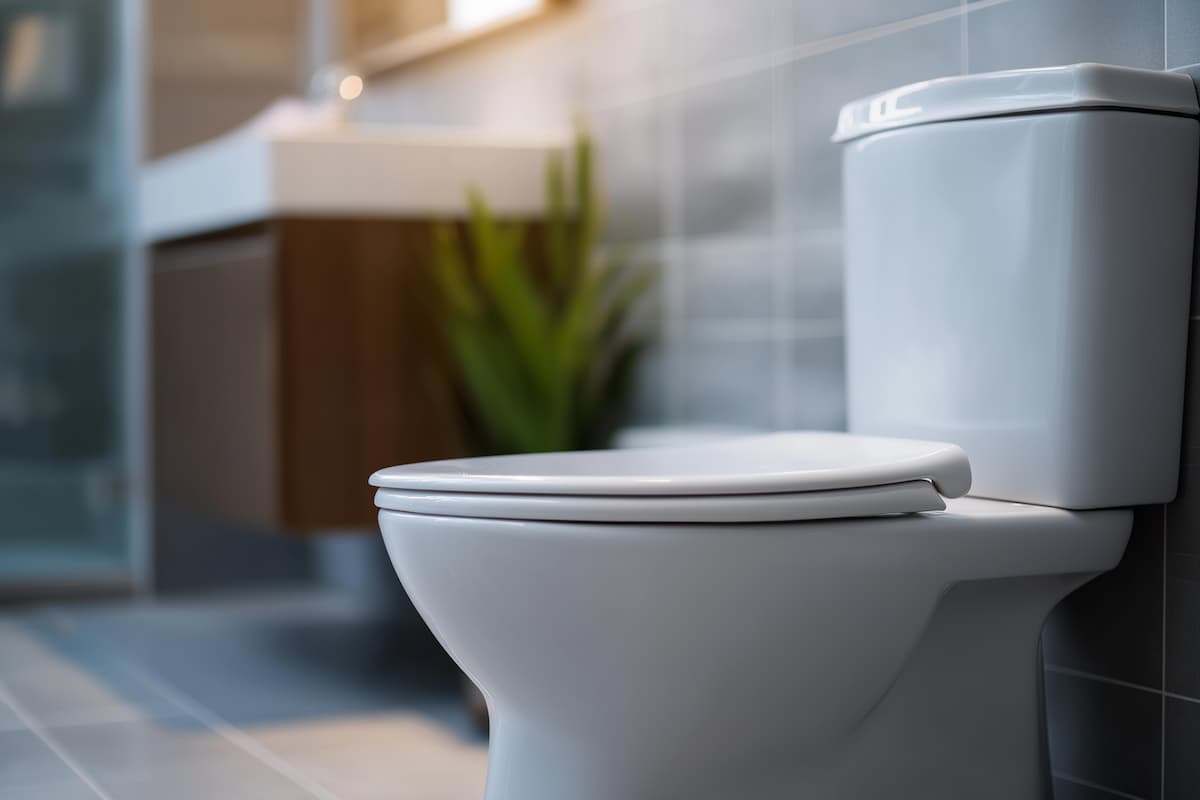
Japan is the best-known example, where smart toilets and washlet systems became mainstream in homes, hotels, and public facilities. Features such as adjustable spray, temperature control, and user presets made bidet use practical and familiar for multiple generations.
Expert Insight 2
Countries with widespread bidet use often view them as a normal hygiene fixture rather than a luxury item.
Countries Where Bidets Are Most Common and Why
| Country/Region | Adoption Pattern | Why Bidets Are Common |
|---|---|---|
| Italy | High household adoption | Longstanding cultural hygiene norm and bathroom planning tradition |
| Spain & Portugal | High residential familiarity | Historical use and widespread acceptance in family homes |
| Japan | Very high smart-toilet usage | Technology integration, convenience, and modern sanitation culture |
| South Korea | Strong modern adoption | Smart bathroom trends and hygiene-focused consumer preference |
| Middle East (various) | High water-cleaning prevalence | Established water-based cleaning customs in daily sanitation |
| France | Historically important origin market | Early bidet development and long-term cultural influence |
Why America doesn’t use bidets as widely (and why this is changing)
The US historically relied on toilet paper due to entrenched habits, product availability, and bathroom layouts not designed for separate bidet fixtures.
Adoption remained limited for cultural and practical reasons, but this has started to shift with attachment-style bidets, integrated smart toilets, and increased awareness of hygiene alternatives. The same transitional pattern is appearing in UK markets.
UK and London trends: what is changing now?
UK homeowners are increasingly exposed to bathroom ideas through travel, design media, and smart home upgrades. In London, where renovation projects range from compact flats to high-end family homes, interest in bidets often appears during bathroom installation projects and full refurbishments.
Are bidets more hygienic than toilet paper?
Bidets can improve cleaning consistency for many users because water-based cleaning often removes residue more effectively than dry wiping alone. However, hygiene outcomes still depend on correct use, cleaning routines, and fixture maintenance.
The most practical view is not “one is always perfect,” but understanding contexts where bidets offer better comfort, cleanliness, and user preference alignment.
Bidets vs Toilet Paper Comparison
| Factor | Bidets | Toilet Paper |
|---|---|---|
| Cleaning method | Water-based cleaning | Dry wiping |
| User comfort | Often perceived as gentler | Familiar and simple |
| Bathroom design impact | May require planning or compatible fixture | Minimal fixture changes |
| Environmental profile | Can reduce paper consumption | Higher ongoing paper demand |
| Upfront setup | Higher initial fixture/plumbing consideration | Low initial setup |
| Long-term routine | Depends on household preference | Established habit in UK/US markets |
Cultural comparison: why habits differ so much
Bathroom behaviour is shaped by social norms, early household routines, product availability, and what each market defines as “standard.”
- In high-adoption regions, bidets are part of normal personal hygiene education.
- In low-adoption regions, toilet paper remained the default and shaped expectations.
This is why international bathroom hygiene customs vary without one region being “right” or “wrong.”
Practical homeowner considerations before adoption
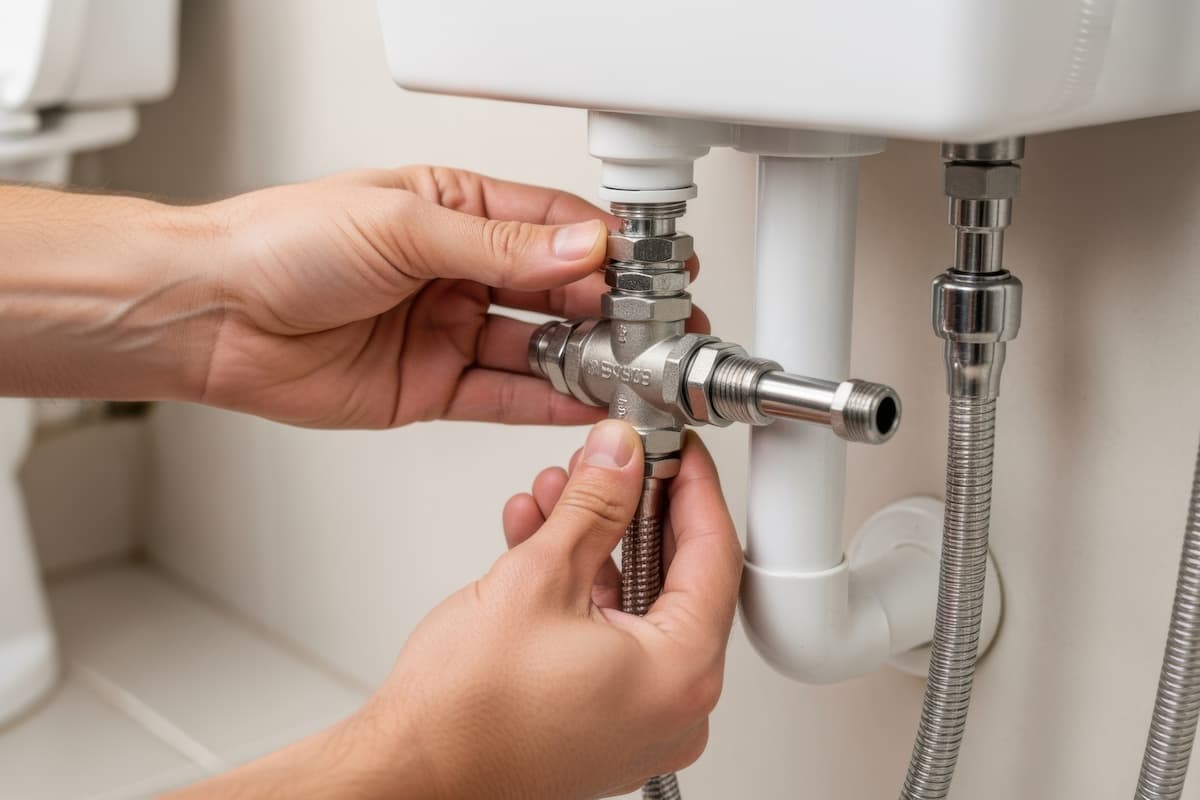
For UK homes, the decision is usually practical: space, existing pipework, fixture type, and maintenance access. Integrated bidet toilets are often easier to include during planned upgrades than retrofitting older layouts at short notice.
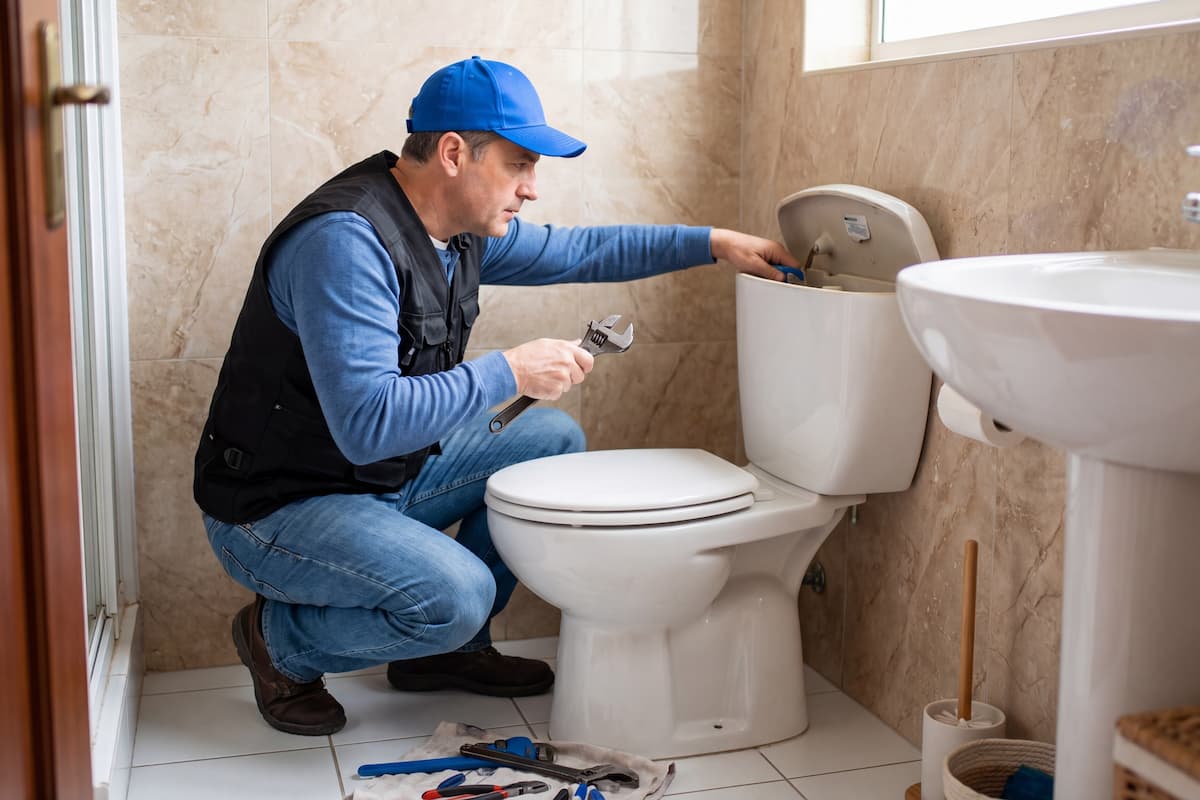
If adding new systems in an existing property, professional plumbing installation helps ensure compatibility and reliable operation.
Where projects involve larger redesign goals, modern wet room refurbishment options can be the right point to incorporate bidet-ready infrastructure from the outset.
For ongoing reliability and fixture performance, many households rely on bathroom plumbing solutions and periodic system checks.
Industry reality check: common bidet myths
Myth: “Bidets are only for luxury homes.”
Reality: In many countries they are ordinary household fixtures.Myth: “Bidets are complicated to use.”
Reality: Most modern systems are straightforward once installed correctly.Myth: “Only one culture uses bidets properly.”
Reality: Adoption patterns differ, but hygiene preferences are culturally contextual.Myth: “Bidet adoption is just a passing trend.”
Reality: Long-term global usage patterns show sustained mainstream adoption in many regions.
Expert Insight 3
Modern smart toilets are helping accelerate bidet adoption in countries where traditional bidets were historically uncommon.
Future outlook: where global bidet adoption is heading
Growth is likely to continue through smart home integration, changing hygiene expectations, and bathroom renovation cycles. As UK consumers compare global practices, bidet options are increasingly evaluated as practical hygiene fixtures rather than niche upgrades.
For homeowners assessing what is suitable long term, consultation with experienced home plumbing specialists helps balance design goals, budget, and technical compatibility.
Frequently Asked Questions
Where are bidets most commonly used?
They are most common in parts of Europe, Japan, South Korea, and several Middle Eastern regions where water-based cleaning is part of established bathroom culture.
Why are bidets less common in the UK and US?
Historically, toilet paper habits, bathroom layouts, and slower mainstream exposure limited adoption. That is changing with modern integrated bidet toilets.
Are bidets more hygienic than toilet paper?
For many users, yes, because water-based cleaning can improve perceived cleanliness. Results still depend on proper use and routine fixture hygiene.
Do bidets use a lot of water?
Most modern systems use relatively small amounts per use. Overall household impact depends on usage patterns and system type.
Are bidets difficult to install in older homes?
Not always, but compatibility depends on existing pipework, fixture space, and bathroom layout constraints.
Are smart bidet toilets replacing traditional bidets?
In many markets, yes. Integrated smart toilets are growing because they combine convenience, hygiene functions, and compact bathroom design.
Do bidets suit small London bathrooms?
They can. Space-saving integrated models are often practical in compact layouts, especially during planned renovations.
Safety Disclaimer
Information in this article is provided for educational and informational purposes only. Bathroom fixtures, plumbing systems, and bidet installations vary depending on property type, plumbing configuration, and product specifications. Professional advice may be required before modifying existing plumbing systems.
If you are exploring modern bathroom hygiene options, compare fixture types carefully and plan around your property’s plumbing realities. Learn more about bidet-compatible bathroom upgrades, explore related plumbing support services, and seek professional guidance where appropriate.