Request Job Estimate
 Tap to Call

Few things are more alarming than spotting a wet patch on the ceiling that is slowly spreading – or worse, water dripping straight onto the floor. Whether you live in a Victorian terrace, a modern flat or a converted maisonette, water leaking through ceiling London situations need fast, calm action. This guide walks you through exactly what to do in the first few minutes, how to identify the source, and when to call a ceiling leak emergency plumber.
If water is actively coming through the ceiling right now, call 020 3475 2302 – a Gas Safe registered emergency plumber in London can usually be at your door within the hour.
What to do immediately when water comes through the ceiling
Work through these steps in order. Each one limits damage and keeps you safe while you arrange help.
- Place a bucket and old towels directly under the drip.
- Move furniture, electronics and rugs out of the affected area.
- If the ceiling is bulging, do not stand directly underneath. Carefully pierce a small hole from the side with a screwdriver to let trapped water drain into a bucket in a controlled way – a controlled release is far less damaging than the entire bulge collapsing without warning.
- Turn off the water supply at the stopcock (see below).
- Switch off the electricity at the consumer unit if water is anywhere near ceiling light fittings, downlighters or sockets.
- Take photos and a short video for your insurance claim before you start cleaning up.
Is water leaking through the ceiling an emergency?
In almost every case, yes. A ceiling leak means water has already travelled through joists, plasterboard or lath-and-plaster – so what you can see is usually only a fraction of what is actually wet. Even a slow drip can saturate insulation, rot timbers, short out lighting circuits and feed black mould within days. Treat any ceiling leak as urgent and call a 24 hour plumber London service if it is outside working hours.
- AVAILABLE 24/7 CALL US TODAY!
- TAP TO CALL
- 020 34752302
When to treat it as a same-hour emergency
- Water is dripping near light fittings, downlighters or sockets.
- The ceiling is visibly bulging or sagging.
- Water flow is fast or constant rather than an occasional drip.
- You cannot identify or isolate the source.
- The leak is in a rented flat and you cannot reach the landlord.
Turn off the water safely
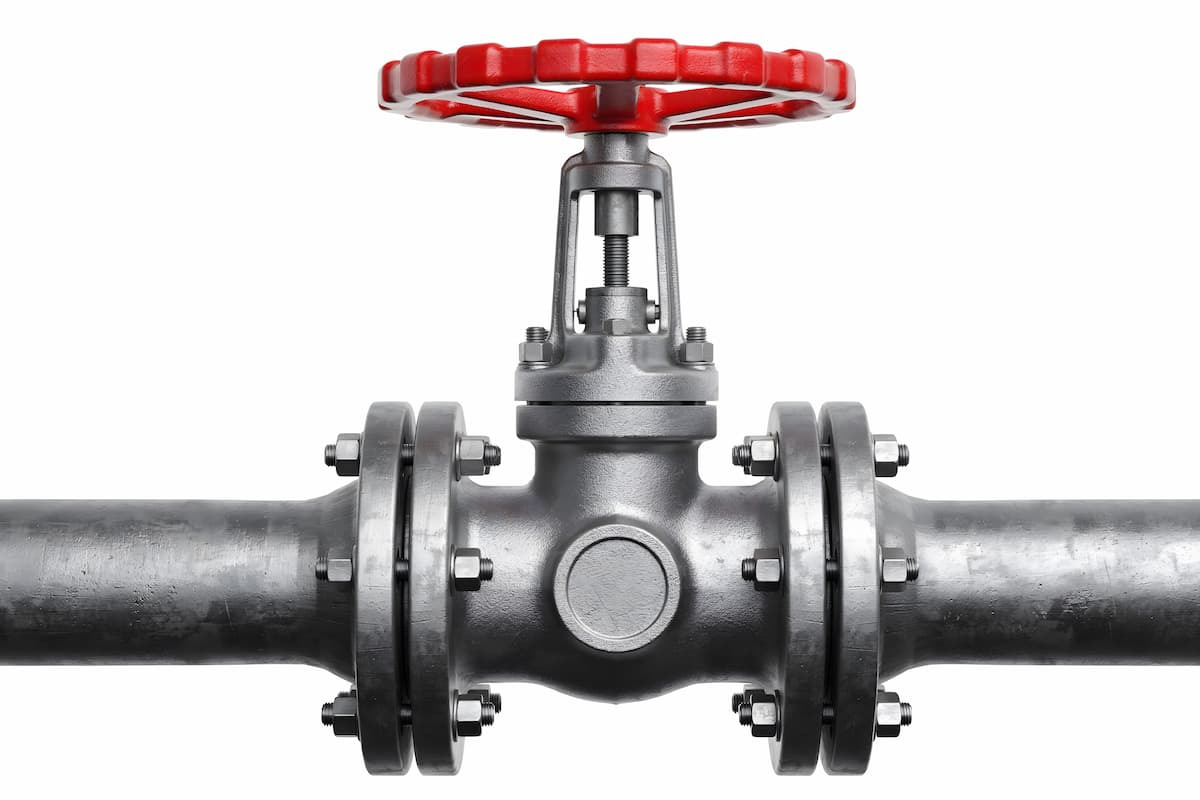
Your internal stopcock is usually under the kitchen sink, in a downstairs cupboard, in a utility area or near the front door of a flat. Turn it clockwise until it stops. If the leak is clearly coming from a single appliance, you may be able to use a local isolation valve on the pipe feeding that appliance instead – but if in doubt, shut off the main supply. In a block of flats, the rising main is usually in the basement or street-level meter cupboard.
Avoid electrical risks
Safety first. Water and electricity are an extremely dangerous combination. If water is dripping through or near ceiling light fittings, downlighters or any wiring, switch off the consumer unit before going any closer. Do not touch a wet switch or socket. Do not poke around inside a wet ceiling rose. If you suspect electrical damage, you will need a qualified electrician as well as a plumber.
Check upstairs bathrooms, toilets, kitchens and radiators
Roughly 8 in 10 ceiling leaks come from a water source directly above. Go upstairs (or to the room above the wet patch) and look for:
- Bathroom: overflowing bath, leaking shower tray or grout, failed shower seal, leak under the basin or bath panel, blocked overflow.
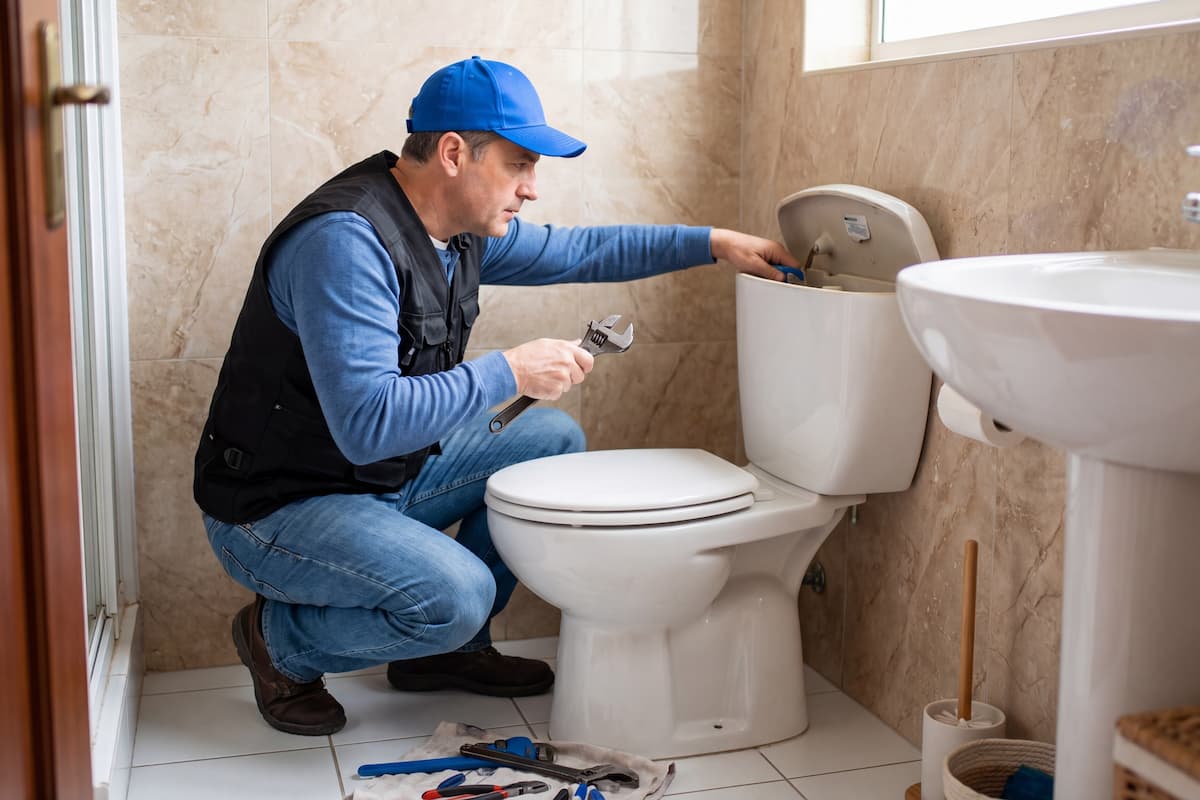
- Toilet: water on the floor behind the pan, leaking cistern, faulty wax seal, condensation pooling on the floor.
- Kitchen: burst flexi hose under the sink, dishwasher or washing machine leak, leaking waste trap.
- Radiator: wet patch under a valve, drip from a corroded pipe joint, weeping bleed valve.
- Loft (top-floor leaks): overflowing cold water tank, failed ball valve, perished tank, frozen pipework, or roof leak.
If everything upstairs looks dry, the leak may be in a hidden pipe inside the ceiling void itself – see our guide to detecting hidden water leaks for the next steps.
What if the leak is coming from the flat above?
This is one of the most common causes of leak repair London call-outs – particularly in Victorian conversions and ex-local-authority blocks. Take these steps:
- Knock on the flat above immediately and ask them to turn off their stopcock. Be polite but firm – they may not even realise.
- If no one answers, contact the freeholder, managing agent or block concierge. They can usually access the flat in a genuine emergency.
- If the flow is heavy and you cannot reach anyone, you can usually shut off the building’s rising main from the basement or street-level meter.
- Photograph and video everything – you will need this for both your own contents insurance claim and the building’s buildings insurance.
- Call an emergency plumber to make safe and stop further damage to your flat. The cost can usually be recovered from the upstairs occupier’s insurance.
What if you are a tenant?
Under the Landlord and Tenant Act 1985, the landlord is responsible for repairs to water installations – including leaks that damage your ceiling. As a tenant, you should:
- Take the immediate emergency steps above to make safe.
- Notify the landlord or letting agent in writing (text or email) so there is a clear record.
- If you cannot reach them and the leak is causing damage, you are entitled to call an emergency plumber to make safe – keep all receipts.
- Photograph everything and keep a written log of when the leak started and who you contacted.
Contents are your responsibility under your own contents insurance; the structure and pipework are the landlord’s responsibility under buildings insurance.
Common causes of ceiling leaks in London
- Failed shower seal or silicone – the number-one cause we see in London flats.
- Burst flexi hose under an upstairs sink (5–10 year service life).
- Leaking toilet wax seal – slow, recurring drip behind the pan.
- Cold water tank overflow in the loft.
- Burst central heating pipe in a ceiling or floor void.
- Failed radiator valve on the floor above.
- Roof leaks after heavy rain, often misdiagnosed as plumbing.
How emergency plumbers find the source of the leak
A trained engineer will work from the visible damage upwards using a structured process:
- Visual inspection of the ceiling, room above and any accessible pipework.
- Moisture meter readings across the ceiling and floor above to pinpoint the wettest area.
- Thermal imaging camera to spot temperature differences caused by hot or cold water inside the structure.
- Acoustic leak detection equipment to listen for water under pressure inside walls or floors.
- Pressure-drop testing on the pipework to confirm whether the leak is on the cold supply, hot supply or central heating.
Will the ceiling need to be opened?
Sometimes – but a good plumber will make the smallest possible inspection cut rather than ripping the whole ceiling down. Where the source can be reached from the floor above (by lifting a couple of floorboards or a bath panel), the ceiling may not need to be opened at all. If the ceiling is already bulging, sagging or has collapsed in part, a section will need to be cut out so the area can dry properly before re-boarding and skimming. Ceiling reinstatement is normally a plasterer’s job and is usually covered by buildings insurance under the “escape of water” section.
- AVAILABLE 24/7 CALL US TODAY!
- TAP TO CALL
- 020 34752302
Insurance and photos
Most UK buildings insurance policies cover sudden “escape of water” events – including the emergency plumber call-out, drying out and ceiling reinstatement. To make a smooth claim:
- Photograph the leak, the wet ceiling, any damaged contents and the source room.
- Keep the plumber’s written job sheet and invoice.
- Note the date, time, what you did and who you contacted.
- Do not throw away damaged items until the loss adjuster has seen them.
- Notify your insurer within the timeframe stated in your policy (usually 24–72 hours).
Preventing further water damage
Once the leak is stopped, the next priority is drying out. Damp left in plasterboard and timber feeds black mould within 48–72 hours. Open windows, use a dehumidifier and a fan, and keep heating on a low constant setting. If the ceiling area is large, a professional drying company may be needed – your insurer will normally arrange this. For practical pricing on the plumbing side, see emergency plumber cost in London.
Why choose emergencyplumber.london
Ceiling leaks need an engineer who can find the source and fix it on the same visit. With Emergency Plumber London you get:
- A real engineer on the phone in under 60 seconds, 24/7.
- Gas Safe registered leak specialists at your door in under 60 minutes across zones 1–4 – from Westminster and Camden to Hammersmith and Ealing.
- Acoustic and thermal leak detection equipment carried on every emergency van.
- Transparent pricing, card payment on site and a written job sheet for insurance.
- 12-month workmanship guarantee on every repair.
Call now for urgent ceiling leak help in London
If water is coming through your ceiling, do not wait for it to spread. Call 020 3475 2302 any time, day or night, or request a callback online. A Gas Safe engineer from our emergency leak repair team will be on the way fast, with a clear price up front and the kit to find and stop the leak on the first visit.
Frequently asked questions about ceiling leaks in London
Who do I call when water is leaking through my ceiling?
Call a 24-hour emergency plumber. If the leak is near light fittings or sockets, switch off the consumer unit first and call a qualified electrician as well. In a rented property, also notify your landlord or letting agent in writing.
Is water leaking through the ceiling always an emergency?
Yes – even a slow drip means water has already saturated ceiling materials. Untreated ceiling leaks rot timbers, short out lighting circuits and feed black mould within days. Always treat it as urgent.
Should I pierce a bulging ceiling myself?
If a ceiling is visibly bulging with trapped water, a controlled release into a bucket from the side is much less damaging than letting it collapse. Stand to the side, not directly underneath. If you are not comfortable doing this, wait for the plumber and keep the room clear.
Will my insurance cover a ceiling leak?
Most UK buildings insurance policies cover sudden “escape of water” events – including emergency plumber call-out, drying out and ceiling reinstatement. Gradual leaks are often excluded, which is why prompt action and good photo evidence matter.
How much does it cost to fix a ceiling leak in London?
Most ceiling leak call-outs in London cost between £160 and £480 depending on the source, access and time of day. Hidden leaks needing detection equipment sit at the upper end. Prices can vary depending on the job, parts and complexity.
What if the leak is from my upstairs neighbour’s flat?
Knock on their door and ask them to turn off their stopcock. If you cannot reach them, contact the freeholder or managing agent, and shut off the building’s rising main if the flow is heavy. The cost of repair in your flat can usually be recovered from their insurance.
How long does a ceiling take to dry after a leak?
A small wet patch dries in 3–7 days with heating, ventilation and a dehumidifier. Larger areas of saturated plasterboard can take 2–4 weeks of professional drying before redecoration. Do not paint over a damp ceiling – it will flake and stain through.
Is the landlord or tenant responsible for a ceiling leak in a rented flat?
The landlord is responsible for the pipework and ceiling repair under the Landlord and Tenant Act 1985. The tenant is responsible for their own contents and for taking reasonable emergency steps (turning off water, notifying the landlord, calling a plumber if no response).
- AVAILABLE 24/7 CALL US TODAY!
- TAP TO CALL
- 020 34752302