Request Job Estimate
 Tap to Call

The most common warning signs of plumbing problems include reduced water pressure, unusual pipe noises, persistent damp patches, slow-draining fixtures, discoloured water, sewage odours, fluctuating water temperature, visible pipe corrosion, water stains on walls or ceilings, and unexplained increases in water bills. Early identification of these symptoms can prevent costly emergency repairs and extensive water damage.
Key Takeaways
- Early detection saves money: Identifying plumbing warning signs early can prevent minor issues from escalating into expensive emergency repairs
- Property-specific risks: Victorian and Edwardian homes in London face unique plumbing challenges due to ageing pipework systems
- Hidden problems are common: Many serious plumbing faults develop behind walls and under floors before becoming visible
- Professional assessment matters: While homeowners can identify warning signs, professional diagnosis is essential for accurate problem identification
- Prevention is key: Regular plumbing maintenance and prompt attention to warning signs significantly reduce the risk of major system failures
Understanding Plumbing Warning Signs: Why Early Detection Matters
Plumbing problems rarely appear overnight. Most significant plumbing faults develop gradually, presenting subtle warning signs long before they become obvious emergencies. For UK homeowners, particularly those in London's diverse property landscape, recognising these early indicators can mean the difference between a minor repair and a major system replacement.
The challenge many property owners face is distinguishing between normal system variations and genuine warning signs. Understanding what to look for—and more importantly, what these symptoms might indicate—helps homeowners make informed decisions about when to investigate further and when to seek professional assistance.
10 Critical Warning Signs of Plumbing Problems
1. Reduced Water Pressure Throughout the Property
What to look for: Noticeable decrease in water flow from multiple taps, shower heads, or appliances simultaneously.
Widespread low water pressure often indicates problems within your main water supply system or significant blockages in primary pipework. While isolated pressure issues might affect individual fixtures, system-wide pressure reduction suggests more serious underlying problems.
In older London properties, particularly Victorian homes, reduced pressure frequently stems from corroded galvanised pipes, mineral buildup, or deteriorating internal pipework. Modern properties might experience pressure issues due to faulty pressure-reducing valves or problems with the mains supply connection.
Immediate action: Check if neighbouring properties are experiencing similar issues. If the problem is isolated to your property, this typically indicates internal plumbing faults requiring professional assessment.
2. Unusual Noises from Pipes and Plumbing Systems
What to listen for: Banging, gurgling, whistling, or rattling sounds from pipes, especially when taps are turned on or off.
Water hammer—the loud banging sound when taps close—often indicates problems with water pressure regulation or loose pipe fittings. Gurgling noises from drains might suggest partial blockages or issues with plumbing vents that help maintain proper drainage flow.
Why it matters: These sounds often precede more serious problems. Persistent pipe noises can indicate loose mountings, pressure surges, or developing blockages that will worsen without intervention.
3. Persistent Damp Patches and Unexplained Moisture
Where to check: Walls, ceilings, floors, and areas around plumbing fixtures, particularly in bathrooms, kitchens, and utility areas.
Damp patches that appear without obvious causes—such as external weather—frequently indicate hidden plumbing leaks within wall cavities or under floors. These concealed leaks can cause extensive structural damage before becoming visible.
Property-specific considerations: Period properties with solid walls are particularly vulnerable to hidden moisture problems, as water can travel considerable distances through masonry before appearing as visible damp patches.
4. Slow-Draining Fixtures and Recurring Blockages
Symptoms: Sinks, baths, showers, or toilets that drain noticeably slower than normal, or blockages that recur despite clearing attempts.
While occasional blockages are normal, recurring drainage problems often indicate deeper issues within your drainage system. Progressive slowing of drainage suggests developing blockages or problems with fall gradients in drainage pipes.
When to be concerned: If multiple fixtures drain slowly simultaneously, this might indicate problems with your main drainage connection or issues with plumbing vents that maintain proper drainage flow.
For persistent drainage issues, professional blocked drain services can identify whether problems stem from localised blockages or more significant system faults.
5. Discoloured or Contaminated Water
Warning signs: Brown, yellow, rusty, or otherwise discoloured water from taps, particularly when first turned on after periods of non-use.
Water discolouration often indicates pipe corrosion, particularly in properties with older metal pipework. While brief discolouration after mains work is normal, persistent colour changes suggest internal pipe deterioration.
Health considerations: Discoloured water may indicate contamination requiring immediate investigation. Never ignore metallic tastes, unusual odours, or visible particles in your water supply.
6. Sewage Odours and Drainage Smells
Where they occur: Around drainage fixtures, in basements, or in areas where drainage pipes run.
Persistent sewage smells often indicate problems with drainage seals, blocked or damaged vents, or issues with trap seals that normally prevent sewer gases entering your property.
Immediate risks: Sewer gas exposure can pose health risks and often indicates serious drainage problems requiring urgent professional attention.
7. Fluctuating Water Temperature
Symptoms: Inconsistent hot water supply, sudden temperature changes during use, or inability to achieve desired water temperatures.
Temperature fluctuations might indicate problems with hot water systems, mixing valves, or issues affecting water flow through heating systems. In properties with combination boilers, temperature instability often suggests developing faults within the heating system.
Symptoms of Plumbing Vent Problems
Plumbing vents play a crucial role in maintaining proper drainage flow and preventing sewer gas infiltration. Common symptoms of vent problems include:
- Gurgling sounds from drains when other fixtures are used
- Slow drainage despite clear pipes
- Sewage odours in bathrooms or kitchens
- Water level fluctuations in toilet bowls
- Bubbling in fixture traps
Vent problems are particularly common in converted properties where original ventilation systems have been modified or blocked during renovation work.
How Property Type Affects Plumbing Warning Signs
Victorian and Edwardian Properties
These period properties often feature:
- Original cast iron drainage systems prone to corrosion and blockages
- Lead pipework requiring replacement for health and performance reasons
- Shared drainage systems where problems affect multiple properties
- Solid wall construction making leak detection more challenging
Modern Flats and Conversions
Contemporary properties may experience:
- Shared plumbing systems where individual units affect others
- Complex pipework routes through multiple levels
- Combination boiler issues affecting both heating and hot water
- Insufficient drainage capacity for modern usage patterns
Commercial and Multi-Occupancy Properties
Larger properties face additional challenges:
- Higher usage demands accelerating wear and blockage formation
- Complex distribution systems making fault location difficult
- Multiple user impacts when problems develop
- Regulatory compliance requirements for plumbing system maintenance
Professional Assessment: When to Call a Plumber
| Symptom Severity | DIY Investigation | Professional Required |
|---|---|---|
| Minor Issues | Single fixture problems, occasional slow drainage | Persistent problems, recurring issues |
| Moderate Concerns | Multiple fixture involvement, visible leaks | System-wide pressure loss, temperature fluctuations |
| Serious Problems | Any sewage smell, visible water damage | All cases - immediate professional assessment |
| Emergency Situations | Never attempt DIY | Major leaks, burst pipes, sewage backup |
For comprehensive plumbing system assessment, home plumbing services can identify developing problems before they become emergencies.
Common Homeowner Mistakes When Identifying Plumbing Problems
Mistake 1: Ignoring Intermittent Symptoms
Many plumbing problems appear intermittently before becoming constant. Dismissing occasional warning signs often allows minor issues to develop into major system failures.
Mistake 2: Attempting Complex DIY Diagnosis
While homeowners can identify warning signs, accurate diagnosis often requires professional expertise and specialised equipment. Incorrect assessment can lead to inappropriate repairs and wasted money.
Mistake 3: Focusing on Symptoms Rather Than Causes
Addressing visible symptoms without identifying underlying causes typically results in recurring problems. Professional assessment identifies root causes rather than just treating visible effects.
Expert Insights: Understanding Hidden Plumbing Risks
Insight 1: Small Symptoms, Large Problems Many serious plumbing faults begin with subtle symptoms that homeowners easily overlook. A slight pressure reduction, occasional gurgling noise, or minor damp patch often indicates significant hidden problems developing within wall cavities or under floors.
Insight 2: The Cost of Delayed Action Property owners who ignore early warning signs typically face repair costs 3-5 times higher than those who address problems promptly. Water damage, in particular, escalates rapidly once leaks establish themselves within building structures.
Insight 3: London Property Vulnerabilities Older London properties face unique challenges due to aging infrastructure, shared drainage systems, and modifications made during conversion work. These properties require more vigilant monitoring and regular professional assessment to prevent serious problems developing.
Preventative Maintenance: Reducing Plumbing Problem Risk
Annual Professional Inspections
Regular plumbing system assessments help identify developing problems before they cause damage or require emergency intervention.
Proactive Pipework Monitoring
For properties with aging pipework, regular assessment helps plan replacement schedules and prevent unexpected failures. Pipework replacement becomes more cost-effective when planned rather than performed as emergency work.
Drainage System Maintenance
Regular drainage cleaning and inspection prevent blockages developing into more serious problems requiring emergency clearance.
Water System Controls
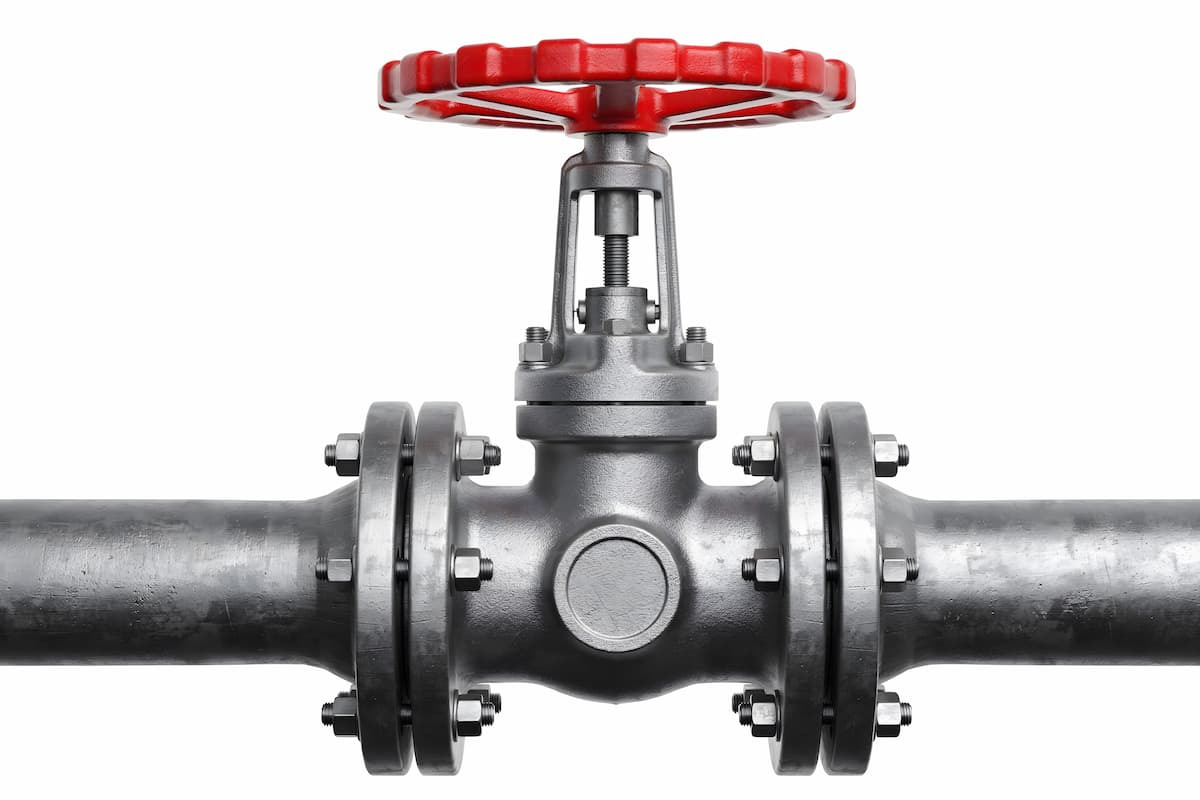
Ensuring proper operation of stopcocks and water control valves enables quick response to developing problems. Stopcock installation and repair ensures reliable emergency water isolation when problems occur.
When Warning Signs Indicate Emergency Situations
Certain combinations of warning signs indicate developing emergencies requiring immediate professional intervention:
- Multiple severe symptoms appearing simultaneously
- Rapid symptom progression over short timeframes
- Structural water damage or flooding risks
- Health hazards from sewage exposure or contaminated water
- Electrical safety concerns where water and electricity interact
For situations requiring immediate intervention, burst pipe repair services provide rapid response to prevent extensive property damage.
Frequently Asked Questions
Q: How quickly do small plumbing problems become serious?
A: The progression varies significantly depending on the underlying cause. Minor leaks can cause extensive structural damage within weeks, while pressure issues might develop over months or years. The key is addressing warning signs promptly rather than waiting for obvious problems to appear.
Q: Are plumbing problems more common in older London properties?
A: Yes, properties built before 1970 typically face higher risks due to aging pipework, original lead pipes, cast iron drainage systems, and modifications made during conversion work. However, proper maintenance and timely replacement can minimise these risks effectively.
Q: Can I safely ignore minor plumbing symptoms?
A: Minor symptoms often indicate developing major problems. While not all symptoms lead to emergencies, professional assessment helps distinguish between minor adjustments and serious underlying faults requiring intervention.
Q: How do I know if a plumbing problem is an emergency?
A: Emergency situations involve active flooding, sewage backup, complete water loss, electrical safety risks, or rapid symptom progression. When in doubt, seeking professional advice prevents minor emergencies becoming major disasters.
Q: Why do plumbing problems seem to occur suddenly?
A: Most plumbing faults develop gradually but remain hidden until they reach critical thresholds. Understanding warning signs helps identify problems during their development phase rather than after they become obvious failures.
Q: Are DIY plumbing assessments reliable?
A: Homeowners can effectively identify warning signs and symptoms, but accurate diagnosis often requires professional expertise and specialised equipment. DIY assessment helps determine when professional help is needed rather than replacing professional diagnosis.
Q: How often should I check for plumbing warning signs?
A: Monthly visual inspections of visible pipework, fixtures, and potential damp areas help identify developing problems early. Annual professional assessments provide more comprehensive system evaluation and preventative maintenance guidance.
Safety Disclaimer
Information in this article is provided for educational and informational purposes only. Plumbing problems vary depending on property type, plumbing system condition, and issue severity. If there is a risk of flooding, water damage, sewage backup, electrical hazards, or significant property damage, seek professional assistance immediately.