Request Job Estimate
 Tap to Call

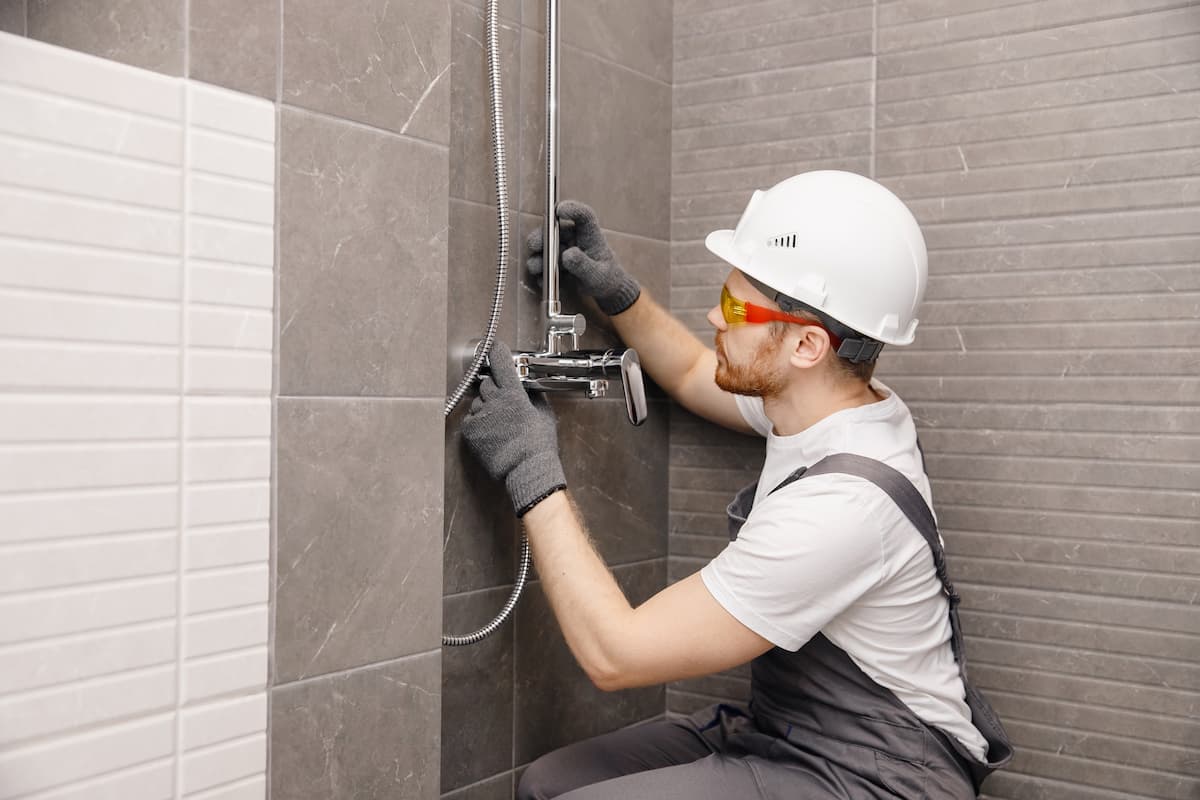
Most London homeowners invest considerable thought into kitchen worktops, flooring, and living room furniture — yet the fixture used more than any other in the home rarely gets the same attention. The role of toilets in home comfort is far greater than most people acknowledge, and the consequences of an ill-considered choice play out every single day. Comfort extends well beyond aesthetics. It encompasses ergonomics, accessibility, hygiene, noise levels, water efficiency, and how intuitively a fixture serves every member of a household. Whether you live in a Victorian terrace in Hackney, a modern flat in Canary Wharf, or a family home in Richmond, the quality, design, and condition of your toilet directly influences your bathroom usability and, by extension, your overall household wellbeing.
Why Toilets Matter More Than You Think
Used an average of six to eight times per day by each household member, the toilet is arguably the most frequently used fixture in any home. Yet it is routinely the last consideration during a bathroom renovation. Homeowners routinely prioritise walk-in showers, statement tiles, and designer taps — while retaining an outdated or poorly positioned toilet that undermines the entire bathroom experience.
Understanding the importance of comfortable toilet seats, appropriate pan height, flush performance, and hygienic design is essential for anyone seeking to improve daily living comfort. These are not luxury considerations reserved for high-end refurbishments. They are practical factors that affect every adult, child, and elderly family member who uses the bathroom each day.
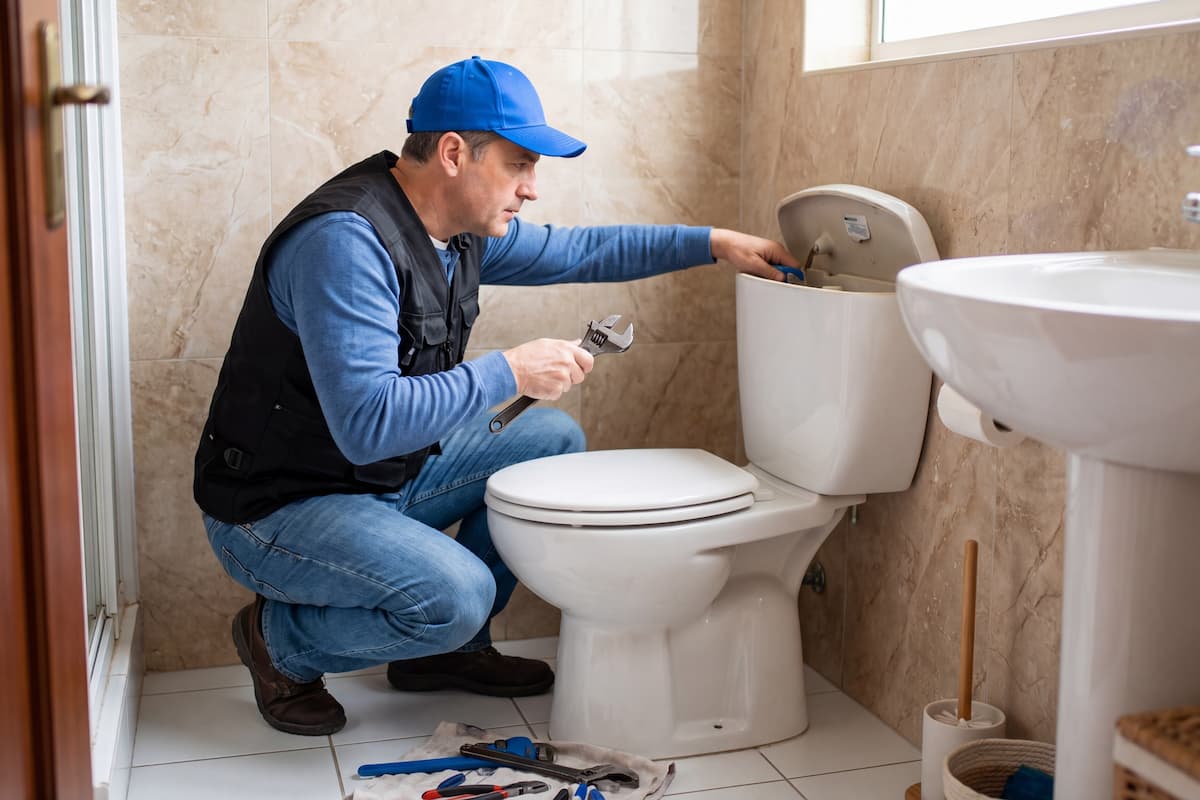
For homeowners thinking seriously about long-term usability, consulting professional toilet installation services early in the planning process helps avoid the costly mistakes that come from selecting fixtures without considering plumbing compatibility, floor layouts, or structural constraints particular to London properties.
How Toilet Height Affects Comfort
One of the most overlooked factors in choosing a comfortable toilet for home use is pan height. Standard toilet heights typically sit between 38cm and 43cm from floor to seat. However, comfort height toilets — sometimes called ADA-compliant or raised toilets — measure between 43cm and 48cm, bringing the seated position closer to the natural angle of sitting in a chair.
For taller adults, a standard-height pan creates unnecessary strain on the knees and lower back over time. For older residents or those with mobility limitations, rising from a low toilet seat can be genuinely difficult and, in some cases, hazardous. Conversely, a toilet set too high for a young child or shorter adult is equally problematic.
The ideal approach for a family home is to assess the primary users of each bathroom. In households where an elderly parent lives alongside younger children, different bathrooms may warrant different height considerations. It is a practical detail that significantly influences daily living comfort — yet many homeowners only discover its importance after installation when the discomfort becomes impossible to ignore.
Getting toilet height right during bathroom installation planning ensures the fixture works with the household rather than against it.
The Importance of Comfortable Toilet Seats
Toilet seat design is frequently dismissed as a minor detail, yet it contributes substantially to the overall user experience. Seat shape, material, softness, lid weight, and closing mechanism all determine whether sitting down and standing up is comfortable or frustrating.
Soft-close seats have become standard in modern bathroom design for good reason. The abrupt slam of a heavy ceramic lid is not only unpleasant — it accelerates wear on both the seat and the pan, creates noise disruption (particularly at night in family homes), and carries a minor but real injury risk for young children. Soft-close mechanisms eliminate all of these concerns with a quiet, controlled descent.
Seat shape also matters. D-shaped seats and traditionally rounded seats suit different pan designs and body types differently. Elongated seats generally offer more comfort for adults, while compact round seats are more practical in smaller bathrooms or cloakrooms. Quick-release seat fixings, which allow the seat to be detached easily for thorough cleaning, are a hygiene benefit that homeowners should not overlook when selecting a replacement or upgrade.
Quiet Flush Toilets and Their Impact on Home Life
Noise is a comfort factor that rarely appears in toilet brochures but matters enormously in real household life. In flats, terraced houses, and open-plan London apartments, a loud flush at 2am is a genuine quality-of-life issue. The impact of modern toilets on home living includes significant advances in flush acoustics, with many contemporary cistern designs now incorporating insulated tanks, slow-release flush valves, and air-break technology to substantially reduce noise.
Dual-flush systems also contribute to household convenience beyond water saving. The ability to select a reduced flush volume for liquid waste is a practical daily benefit that reduces water consumption — often lowering household bills and supporting the water efficiency demands relevant to many London properties. In older Victorian and Edwardian homes where pipework is under particular stress, quieter, lower-pressure flush systems can also reduce strain on ageing infrastructure.
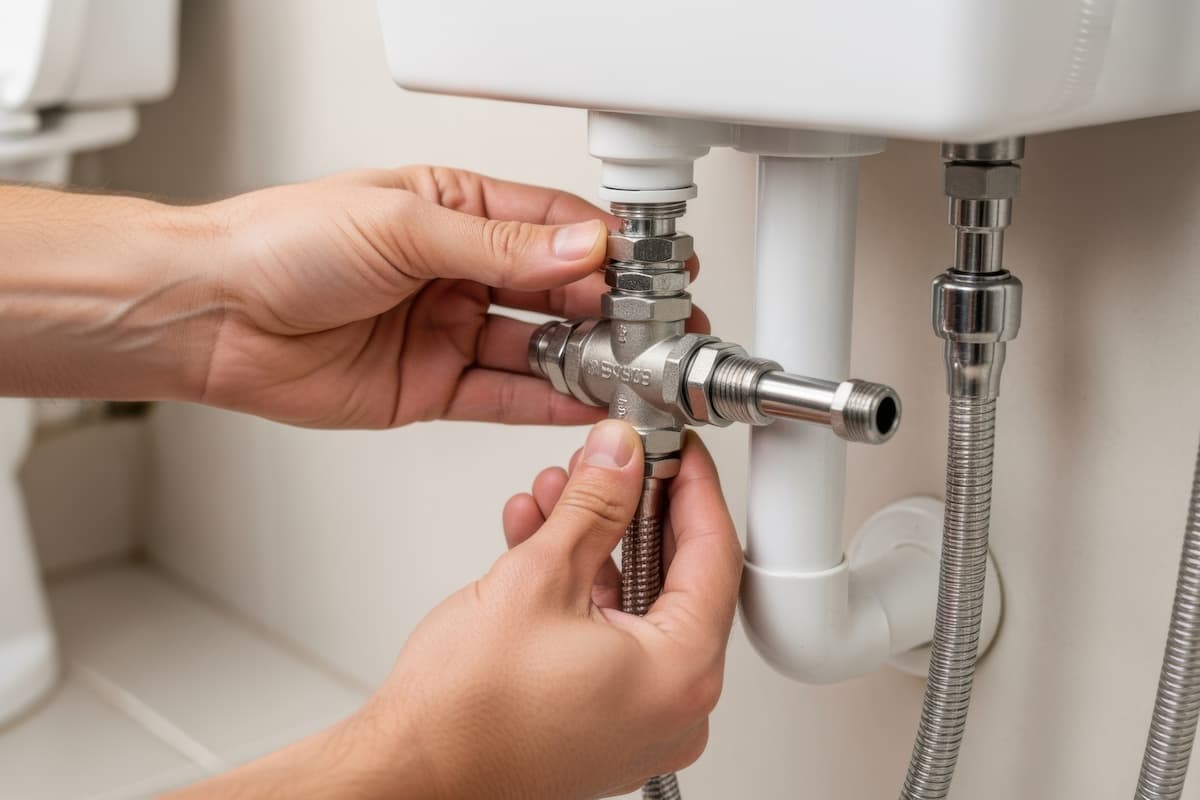
Good bathroom plumbing solutions ensure that modern quiet-flush cisterns are correctly installed and compatible with existing pipework — a point worth raising before purchasing a premium fixture only to discover it requires significant plumbing modifications.
Toilet Feature vs Home Comfort Benefit
| Toilet Feature | Home Comfort Benefit |
|---|---|
| Comfort height pan (43–48cm) | Reduces strain on knees and lower back; improves accessibility |
| Soft-close seat | Eliminates noise, reduces wear, safer for children |
| Dual-flush cistern | Water efficiency, reduced bills, lower pipe pressure |
| Quick-release seat fixings | Easier deep cleaning, improved hygiene standards |
| Insulated/quiet flush cistern | Reduces noise disruption, suits flats and terraced homes |
| Wall-hung design | Space-saving, easier floor cleaning, adjustable height |
| Integrated bidet function | Enhanced personal hygiene, reduced toilet paper dependency |
Modern Toilet Innovations and Hygiene Benefits
The connection between bathroom comfort and toilet design has expanded significantly with modern innovations. Rimless toilet pans — now widely available at mid-range price points — eliminate the internal rim where bacteria and limescale traditionally accumulate, making cleaning faster and more effective. For families with young children, or households managing conditions that require rigorous hygiene standards, this is a meaningful practical benefit rather than a marketing gimmick.
Integrated modern bidet features have similarly moved from niche luxury to genuine household consideration. Heated seats, adjustable water temperature, air drying functions, and self-cleaning nozzles offer hygiene standards that toilet paper alone cannot match. For elderly residents or individuals with limited mobility, these features offer meaningful independence and dignity benefits. For environmentally conscious London homeowners, the reduction in toilet paper consumption is a secondary benefit worth noting.
Nano-coating technology applied to ceramic pan surfaces is another development worth understanding. These microscopic surface treatments reduce the adhesion of waste and limescale, keeping the pan cleaner between washes with less aggressive chemical cleaning. It is not a guarantee of a maintenance-free toilet — regular cleaning remains essential — but it genuinely reduces the frequency and effort required.
Traditional Toilet vs Modern Comfort-Focused Toilet
| Feature | Traditional Toilet | Modern Comfort-Focused Toilet |
|---|---|---|
| Pan height | Standard 38–43cm | Comfort height 43–48cm options |
| Flush noise | Audible cistern refill and flush | Insulated quiet-flush systems |
| Cleaning difficulty | Internal rim traps bacteria | Rimless design for easier cleaning |
| Seat mechanism | Standard drop lid | Soft-close, quick-release seat |
| Water usage | Single flush (6–9 litres) | Dual flush (3/4.5 litres) |
| Accessibility | Limited adjustability | Wall-hung height-adjustable options |
| Hygiene features | None standard | Nano-coating, rimless pan, bidet options |
Comfort, Accessibility, and the Family Home
Bathroom comfort and toilet design are inseparable from accessibility considerations, particularly in homes occupied by multiple generations. A toilet that works adequately for a healthy adult in their thirties may present genuine difficulty for a grandparent visiting regularly, or for a family member recovering from surgery.
Wall-hung toilets offer a significant practical advantage here. Because the pan is mounted to a concealed frame rather than sitting on the floor, the installation height can be adjusted during fitting to suit the primary user. This is particularly relevant during bathroom installation in London properties being adapted for elderly residents or wheelchair users, and represents a worthwhile investment for homeowners planning a long-term living arrangement.
Grab rails positioned adjacent to the toilet — a consideration often deferred until a mobility issue presents itself — are far easier and less disruptive to install during an initial renovation than as a retrofit into tiled walls years later. Forward planning of this kind is the mark of thoughtful bathroom design rather than excessive caution.
Common Mistakes When Upgrading Toilets
Many homeowners make avoidable errors when upgrading bathroom fixtures. The most frequent is selecting a toilet based on visual appeal alone, without verifying floor-to-drain measurements, soil pipe position, or cistern connection type. In London's older housing stock — Victorian terraces, Edwardian semis, and converted flats — the soil pipe and drainage configuration frequently determines which toilet styles are compatible and which are not.
Buying a close-coupled toilet for a space that requires a back-to-wall design, or selecting a wall-hung pan without budgeting for the necessary wall frame and concealed cistern installation, results in either expensive modifications or a return to the original fixture. A brief consultation with experienced home plumbing specialists before purchasing avoids these entirely preventable frustrations.
Another common misconception is that a higher price guarantees greater comfort. Premium toilets carry genuine benefits in materials, engineering, and longevity — but comfort is primarily determined by dimensions, ergonomics, and correct installation rather than brand alone. A mid-range toilet correctly sized, positioned, and installed for a specific household will always outperform an expensive fixture selected without proper consideration.
The Link Between Toilet Efficiency and Long-Term Household Comfort
Water efficiency is not merely an environmental consideration — it has a direct impact on household running costs and plumbing longevity. Older single-flush toilets can use up to nine litres per flush. A modern dual-flush system typically uses 4.5 litres for a full flush and 3 litres for a reduced flush. In a household of four people flushing six to eight times per day, the water and cost savings accumulate meaningfully over a year.
Beyond billing, water-efficient toilets generally incorporate improved valve engineering that reduces the likelihood of running cisterns, phantom flushes, and slow-fill issues — all of which are both inconvenient and indicative of unnecessary water wastage. Understanding the link between toilet efficiency and household comfort helps homeowners see fixture upgrades as practical investments rather than cosmetic expenses.
For a broader perspective on how overall bathroom planning contributes to home usability, understanding how plumbing layout shapes bathroom function is worth exploring further.
Toilet Comfort Checklist for London Homeowners
Before selecting a toilet for a renovation or upgrade, consider the following:
- Measure the floor-to-wall distance and soil pipe position before browsing models.
- Confirm whether a close-coupled, back-to-wall, or wall-hung design suits your bathroom layout.
- Assess the primary users — consider comfort height if elderly residents or those with mobility needs use the bathroom.
- Check flush noise ratings if the bathroom is adjacent to a bedroom or in a flat with shared walls.
- Evaluate dual-flush options for water efficiency savings.
- Consider rimless pan design for improved hygiene and easier maintenance.
- Select a soft-close seat with quick-release fixings as standard.
- Factor in integrated bidet functionality if hygiene enhancement is a priority.
- Budget for professional installation to ensure plumbing compatibility and correct positioning.
- Plan accessibility features — grab rails, height adjustments — at the design stage rather than as retrofits.
FAQ: Toilets and Home Comfort
Q: Why does toilet height matter for home comfort?
Toilet height affects the natural angle of the hips and knees when seated. A pan that is too low for taller adults creates lower back and knee strain over time. Comfort height models (43–48cm) suit most adults better and are essential for elderly users or those with mobility conditions.
Q: What makes a toilet seat genuinely comfortable?
Shape, material, and closing mechanism all contribute. Elongated seats offer more support for most adults. Soft-close mechanisms eliminate the jarring lid slam. Quick-release fixings allow thorough cleaning, which maintains hygiene standards over time.
Q: Are modern toilets significantly quieter than older models?
Yes. Contemporary cistern designs with insulated tanks and controlled flush valves are substantially quieter than traditional syphon-flush systems. This matters considerably in flats, terraced homes, and households where night-time bathroom use could disturb sleeping family members.
Q: Do rimless toilets genuinely improve hygiene?
They do. By eliminating the internal rim where bacteria and limescale accumulate, rimless pans are easier to clean thoroughly and reduce bacterial build-up between cleaning sessions. This is particularly beneficial in family bathrooms used by young children.
Q: Is a wall-hung toilet worth the additional installation cost?
For many London homes, yes. Wall-hung toilets save floor space, allow adjustable installation height, and make floor cleaning significantly easier. The concealed cistern installation is more complex, but the usability and accessibility benefits justify the investment in most cases.
Q: Can a toilet upgrade genuinely reduce water bills?
Switching from a single-flush 9-litre cistern to a dual-flush model using 3–4.5 litres per flush reduces water consumption noticeably in an average household. Over a full year, a family of four can save thousands of litres — with corresponding reductions in metered water bills.
Q: What should I check before buying a new toilet in London?
Measure your floor-to-drain distance, identify your soil pipe position, and confirm the cistern type compatible with your existing plumbing. Many London properties — particularly Victorian terraces — have non-standard soil pipe configurations that restrict which toilet designs will fit without modification.
Q: Are integrated bidet toilets suitable for family homes?
Yes, and increasingly popular. Modern integrated bidet toilets offer adjustable settings suitable for different users. They enhance hygiene, benefit elderly or mobility-limited users, and reduce household toilet paper consumption. They require an electrical supply near the toilet, which requires planning during installation.
Q: How do I know when to upgrade my toilet rather than repair it?
Persistent running water, repeated blockages, visible cracking of the pan or cistern, and difficulty sourcing replacement parts for an older model all suggest replacement is the more practical solution. An ageing toilet that requires frequent attention is rarely the cost-effective choice long term.
Q: Does bathroom layout affect toilet comfort?
Significantly. A toilet positioned with insufficient space either side, facing a wall too closely, or without adequate natural light feels uncomfortable regardless of the fixture quality. Bathroom comfort and toilet design must be considered together — the physical environment shapes the user experience as much as the fixture itself.
Ready to Improve Your Bathroom Comfort?
If this article has prompted you to reconsider your current bathroom setup, the most practical next step is a conversation with a qualified plumber who understands the specific constraints of London properties. Whether you are considering a straightforward toilet upgrade, a full bathroom renovation, or simply want to understand your options, professional guidance ensures your decisions are based on what will genuinely work for your home rather than what looks appealing in a showroom.
Explore our bathroom plumbing solutions for further information, or get in touch with the Emergency Plumber London team to discuss your bathroom improvement plans with specialists who understand London homes.
Safety Disclaimer
The information in this article is provided for educational and informational purposes only. Toilet selection, installation requirements, plumbing compatibility, and accessibility considerations vary between properties. Results and suitability depend on individual property configurations, existing plumbing infrastructure, and household requirements. Professional assessment is recommended before making significant bathroom modifications or fixture replacements.