Request Job Estimate
 Tap to Call


Overview
Most plumbing emergencies do not start as dramatic failures. They usually begin as small warning signs that are easy to dismiss: a strange pipe noise, slower drainage, a brief pressure drop, or a faint sewage smell. Recognising signs your plumbing needs immediate attention early can prevent severe water damage, contamination risk, and disruptive emergency repairs. In many London properties, especially older homes with ageing pipework and hidden runs, these signals appear days or weeks before the system fails. Acting early is not about panic; it is about protecting your property, reducing repair complexity, and making better decisions before a minor fault becomes a costly event.
Plumbing warning signs are system feedback. When several symptoms appear together, the issue is often larger than one fixture or one room. This is especially relevant in Victorian and Edwardian homes, converted period properties, rental houses, and multi-use premises where mixed-age plumbing components coexist.
If you are unsure whether a fault is minor or urgent, treat it as a diagnostic problem first, not just a repair problem.
Key Takeaways
- Multiple symptoms often indicate system-level risk.
- Sudden pressure changes can be early signs of underground leaks.
- Drain odours and recurring blockages can indicate wastewater system failure.
- Pipe noises can signal air, pressure instability, or movement in pipework.
- Early professional assessment often reduces property damage and repair scope.
Quick Answer
The clearest signs your plumbing needs immediate attention are multiple drains backing up, sewage odours, sudden whole-house pressure loss, discoloured water, and active leaks. If two or more symptoms appear together, treat it as urgent and arrange professional diagnosis quickly.
How this applies to your home
If you live in an older or heavily used property, small warning signs can escalate quickly. This guide helps you decide whether you can monitor symptoms briefly, need urgent assessment the same day, or should call emergency support immediately.
What you will learn in this guide
- Which early plumbing symptoms are most likely to become emergencies
- How to tell the difference between local faults and system-wide issues
- What warning combinations should trigger immediate action
- Practical steps to reduce damage while waiting for professional help
What are the signs your plumbing needs immediate attention?
The key signs are sudden pressure loss, multiple clogged drains in house, sewage smell coming from drains, unexplained discoloured water, persistent pipe noises, hidden moisture indicators, and active leaks from critical equipment.
These are considered emergency plumbing signs when they are severe, recurring, or combined with contamination and flooding risk.
Numbered warning sign hierarchy (from urgent to critical)
- Sewage backup behaviour (drains backing up across fixtures)
- Strong wastewater odour indoors that does not clear
- Rapid pressure loss across multiple outlets
- Signs of an underground water leak with no visible internal source
- Water heater leaking from bottom signs with active moisture spread
- Discolored water from cold tap persisting beyond short-run flushing
- Rattling pipes plumbing issue plus unstable flow patterns
- Repeated multi-drain blockages after temporary clearing
For concealed risks where visible evidence is limited, hidden plumbing leak detection helps establish whether water loss is active and where escalation is likely.
Plumbing Warning Sign vs Potential Underlying Problem
| Plumbing warning sign | Potential underlying problem |
|---|---|
| Unexpected drop in water pressure causes concern across multiple taps | Supply-side leak, pressure regulation failure, or underground line issue |
| Multiple clogged drains in house at once | Main drainage restriction, partial sewer backup, or system-wide waste flow failure |
| Sewage smell coming from drains repeatedly | Trap seal loss, venting issue, or wastewater system defect |
| Discolored water from cold tap continues after initial flush | Corroded pipework, supply disturbance, or contamination risk |
| Rattling pipes plumbing issue during draw-off | Pressure imbalance, trapped air, loose supports, or pipe movement |
| Water heater leaking from bottom signs appear | Tank base corrosion, valve failure, or component deterioration |
Can low pressure indicate a serious plumbing problem?
Yes, it can. Low pressure can indicate a serious issue when the drop is sudden, widespread, and accompanied by other symptoms.
Expert Insight 1
Multiple symptoms occurring simultaneously often indicate a larger system-wide issue rather than isolated faults.
If one bathroom tap runs weakly, that may be local. But if kitchen, bathroom, and upstairs outlets all dip together, the risk profile changes.
Expert Insight 2
Many underground leaks are first discovered through water pressure changes rather than visible water damage.
For ongoing decline patterns and diagnosis uncertainty, professional home plumbing inspections are more reliable than repeated temporary fixes.
Why do multiple drains block at the same time?
When multiple fixtures clog together, the problem is usually in shared drainage, not in individual traps.
This is a classic escalation signal in older drainage systems and converted layouts where branch lines join older main runs. If toilets, sinks, and baths show linked slow discharge, treat it as more than a local blockage. Persistent blocked drain problems should be assessed quickly to reduce wastewater backup risk.
What does sewage smell from drains mean?
A persistent sewage smell usually means wastewater gases are entering living spaces due to trap, venting, or drainage system faults.
This can indicate drying traps, pressure imbalance, or deeper network issues. In severe cases, odour progression appears before visible backup, making smell one of the earliest hazard indicators. If odour is accompanied by rising waste levels or repeated gurgling, check for overflow warning signs and escalate promptly.
Pipe noises, discoloured water, and hidden leak indicators
Pipe noise is often dismissed as harmless settling, but recurring knocking, rattling, or chattering can indicate pressure instability, trapped air, or unsupported pipework movement.
Expert Insight 3
Homeowners frequently underestimate pipe noises, even though they can indicate pressure, airlock, or pipework problems.
Discoloured cold water can also indicate material deterioration or supply disturbance. Short-lived colour after mains events can clear quickly, but recurring or persistent discolouration needs investigation.
Water heater leaks and escalation risks
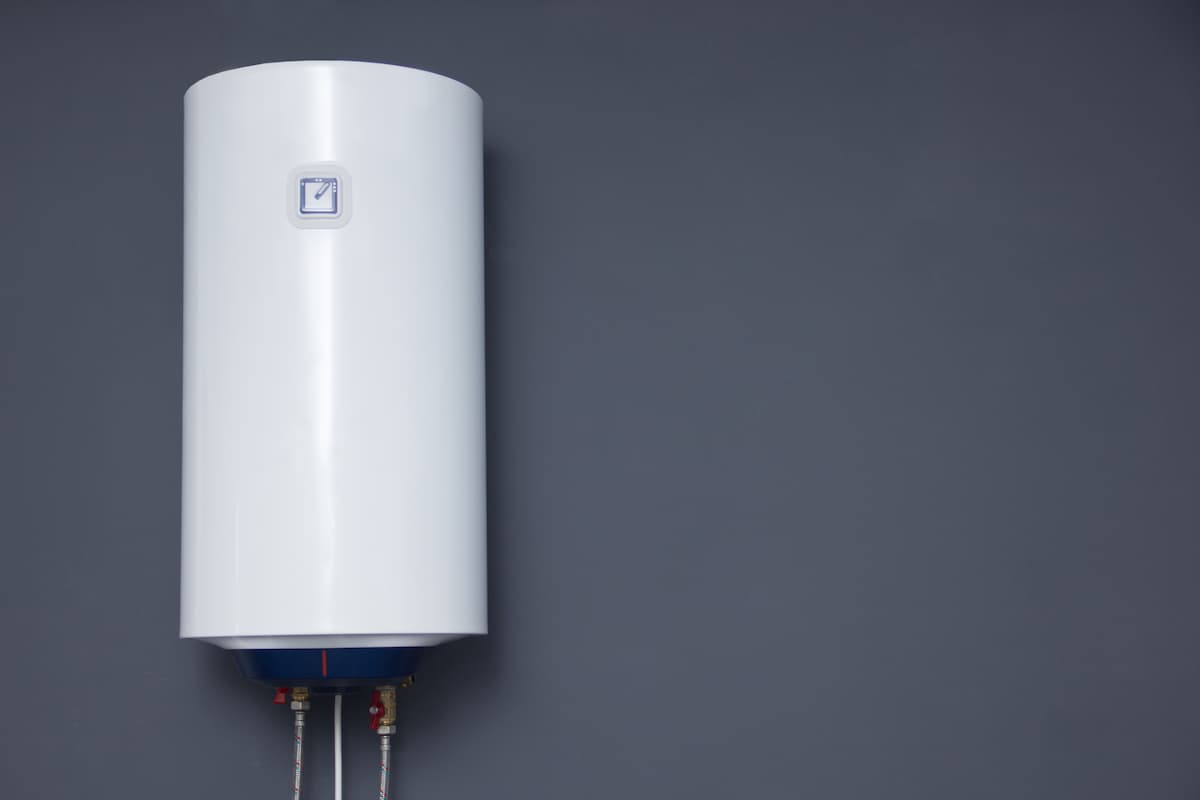
Leaks at the base of a heater or cylinder area should be treated as urgent when pooling, staining, or repeated dripping is present.
What starts as a small seam or component leak can escalate to wider water damage, thermal inefficiency, and emergency shutdown conditions. If active leakage worsens suddenly, emergency burst pipe repair pathways are relevant where pressure-related rupture risk is suspected.
Warning Sign vs Urgency Level vs Recommended Action
| Warning sign | Urgency level | Recommended action |
|---|---|---|
| Single slow drain with no odour | Moderate | Monitor closely, clean local trap, re-check within 24 hours |
| Multiple drains backing up | High | Stop high-volume discharge and request urgent assessment |
| Sudden whole-house pressure drop | High | Check immediate usage conflicts, then escalate for leak investigation |
| Persistent sewage smell indoors | High | Limit use, ventilate, and investigate wastewater pathway issues quickly |
| Discoloured cold water persisting | High | Avoid consumption until source confidence improves; arrange inspection |
| Active leak with spreading moisture | Critical | Isolate where safe and seek emergency support immediately |
Decision-making framework: when to call an emergency plumber
Use this practical framework:
- Scope — Is it one outlet or multiple systems?
- Speed — Is the issue stable, worsening, or rapidly escalating?
- Safety — Is there contamination, electrical proximity, or structural wetting?
- Repeat pattern — Has this happened before despite temporary fixes?
- Damage potential — Could waiting 24 hours increase risk materially?
If the answer is “yes” on safety or rapid escalation, this is when to call an emergency plumber.
Industry reality check: common myths that delay action
Myth: “If water is still running, it cannot be urgent.”
Reality: Pressurised systems can continue operating while hidden damage worsens.Myth: “Low pressure is always a supplier issue.”
Reality: Internal pipework and concealed leaks are frequent causes.Myth: “Drain smell is normal in old homes.”
Reality: Persistent sewage odour indicates a system condition worth diagnosing.Myth: “Pipe noises are just old-house sounds.”
Reality: Repeat noise patterns often signal mechanical or pressure faults.
Emergency action checklist for property protection
- Isolate water safely if active leaking is visible.
- Stop using fixtures that trigger wastewater backup.
- Keep electrics clear of wet zones.
- Document symptoms (time, location, smell, pressure behaviour).
- Avoid repeated DIY resets if symptoms return quickly.
- Plan long-term resilience with pipework replacement solutions where ageing infrastructure is driving repeat failures.
Frequently Asked Questions
What is the clearest sign of a developing plumbing emergency?
A combination of symptoms is the clearest sign, especially pressure loss plus drainage issues or odour. Multiple linked symptoms usually indicate wider system stress.
Can low pressure mean an underground leak?
Yes. Sudden, persistent pressure drops can indicate underground leakage, particularly when visible internal leaks are absent.
Are multiple clogged drains always serious?
They are often serious enough to treat as urgent. Multi-fixture blockage usually points to shared drainage failure rather than one local obstruction.
Is discoloured cold tap water dangerous?
It can be. Short-term discolouration may follow supply disturbance, but persistent colour change should be investigated before normal use resumes.
Should I ignore occasional pipe rattling?
No. Repeating pipe noise can indicate pressure fluctuation, trapped air, or movement in pipework that may worsen without correction.
When should landlords escalate plumbing warnings?
Immediately when symptoms involve wastewater odour, multi-drain backups, active leaks, or recurring pressure loss, because tenant safety and property damage risk can escalate quickly.
Can a small water heater leak become an emergency?
Yes. Small heater leaks can expand and cause rapid local flooding, equipment failure, and secondary damage if left unresolved.
Safety Disclaimer
Information in this article is provided for educational and informational purposes only. Plumbing emergencies vary depending on system condition, property type, and issue severity. If there is a risk of flooding, sewage contamination, significant water damage, or electrical hazards, seek professional assistance immediately.
If your property is showing warning signs, use early diagnosis to reduce avoidable damage rather than waiting for obvious failure. Learn more about plumbing risk indicators, review relevant service options, and seek professional assistance where appropriate for safer, more informed decisions.