Request Job Estimate
 Tap to Call
Overview
Experiencing no water after plumbing work is frustrating but remarkably common — and usually caused by something far simpler than a major plumbing failure. Whether a plumber has replaced a valve, repaired pipework, installed an appliance, or serviced your boiler, the water system often requires specific steps to restart correctly. Trapped air, partially closed isolation valves, dislodged debris, or system components that need manual resetting frequently account for the problem. Before assuming the worst, systematic checks often reveal straightforward causes that either resolve themselves quickly or require only minor intervention. Understanding what typically happens to water systems during maintenance helps London homeowners distinguish between simple post-repair adjustments and genuine faults requiring professional attention.
Key Takeaways
- No water after plumbing work is usually caused by airlocks, closed valves, or debris rather than major faults
- Gravity-fed systems in older London properties are more susceptible to airlocks than pressurised systems
- Always check that all isolation valves and stopcocks are fully open before assuming a fault exists
- Sputtering taps after repairs typically indicate trapped air that clears within minutes of running water
- Hot water systems often require separate restart procedures after maintenance work
- If basic checks fail to restore water flow, professional diagnosis prevents DIY attempts from worsening the problem
Why Is There No Water After Plumbing Work?
No water after plumbing work occurs when the water supply fails to resume normally following maintenance, repairs, or installation activities. The system may have been drained down, valves closed for isolation, or pipework opened — all of which introduce conditions that prevent immediate normal operation once work is complete.
The most common causes include airlock problems in household plumbing systems, closed isolation valves, debris displacement, and hot water systems requiring manual restart procedures.
Possible Causes and Typical Symptoms
| Possible Cause | Typical Symptoms |
|---|---|
| Airlock in pipework | Sputtering taps, intermittent flow, no water from specific outlets |
| Closed isolation valve | No water from one fixture while others work normally |
| Stopcock not fully open | Reduced pressure or no flow throughout property |
| Debris blocking outlet | Very low flow or no water from individual taps |
| Hot water system not restarted | Cold water works but no hot water available |
| Water tank not refilling | Gradual loss of supply in gravity-fed systems |
Airlocks After Plumbing Work
Expert Insight 1
Airlocks are among the most common reasons for no water after plumbing work, particularly in older gravity-fed systems. When pipework is drained or opened during maintenance, air enters sections that are normally filled with water. This trapped air creates pressure barriers that prevent water from flowing through to outlets.
Airlock symptoms include:
- Sputtering or coughing taps — water mixed with bursts of air
- No flow from specific outlets — while other taps work normally
- Intermittent stop-start flow — water runs briefly then stops
- Hot water affected more than cold — gravity-fed hot systems are most vulnerable
Airlocks in gravity-fed systems common to Victorian and Edwardian London properties often affect hot water pipework because these circuits operate at lower pressure than mains-fed cold supplies, making them less able to push air pockets through naturally.
Closed Isolation Valves
Expert Insight 2
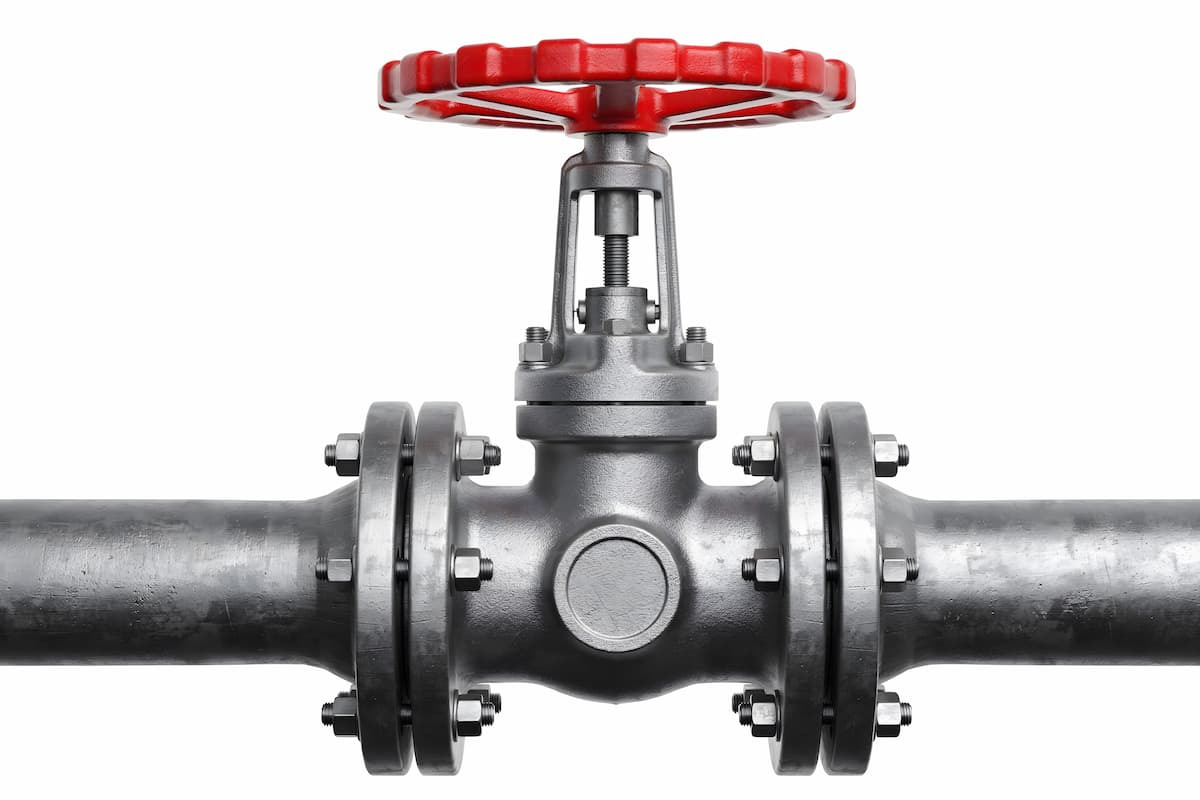
Many homeowners assume a major fault exists when the actual cause is a partially closed isolation valve. During plumbing work, multiple valves are often closed to isolate specific sections — and it takes only one valve left partially closed to restrict or completely stop water flow to affected outlets.
Check these valve locations:
- Main stopcock — verify fully open by turning anticlockwise to the stop
- Service valves beneath sinks — small brass or chrome valves on supply pipes
- Isolation valves on appliances — dishwasher, washing machine connections
- Cylinder inlet valves — hot water cylinder supply shut-offs
- Gate valves on tank feeds — controlling gravity-fed distribution
For properties where the stopcock is difficult to locate or operate, stopcock inspection and repair ensures reliable isolation and restoration capability.
Debris Blockages After Repairs
Expert Insight 3
Debris dislodged during repairs can temporarily block taps and shower outlets, creating the appearance of a larger plumbing issue. When pipework is disturbed, scale deposits, solder fragments, flux residue, or pipe material particles can travel through the system and lodge in tap aerators, shower heads, or valve mechanisms.
Signs of debris blockage:
- Very slow flow from affected tap despite good pressure elsewhere
- Uneven spray pattern from shower head
- One tap affected while adjacent hot or cold works normally
- Flow improves slightly if tap is left running
Resolution: Remove and clean tap aerators (the mesh screen at the tap spout) and shower head filters. Most debris blockages resolve completely once these screens are cleared.
No Hot Water After Plumbing Work
When cold water flows normally but hot water is absent after plumbing work, the cause typically lies within the hot water system specifically:
- Boiler not firing — may need manual reset or restart after power interruption
- Cylinder thermostat tripped — requires manual reset on the cylinder stat
- Immersion heater switched off — check the dedicated immersion switch
- Motorised valve stuck closed — common in systems with zone valves
- Hot water programmer off — timer or scheduler may need reactivation
Understanding common hot water system problems helps distinguish between post-maintenance restart requirements and genuine component faults.
London Property Considerations
Property type influences which post-maintenance issues are most likely:
Victorian and Edwardian homes with gravity-fed systems and cold water storage tanks are most susceptible to airlocks. Long pipe runs with multiple high points trap air readily when systems are drained. Gate valves on tank outlets may seize in partially closed positions.
Converted flats with shared plumbing infrastructure may experience flow issues if work on one flat affects shared supply components. Modified pipework routes create additional air-trapping opportunities.
Modern flats with pressurised systems are less prone to airlocks but may experience no water if combination boilers require manual restart or if pressure relief has occurred during maintenance.
For properties where pipework repairs and replacement solutions have been carried out, proper system recommissioning procedures are essential to restore normal operation.
Troubleshooting Checklist
Follow this systematic process before calling a professional:
- Check the stopcock — verify it is fully open (turn anticlockwise to the stop)
- Check all isolation valves — ensure every valve on affected circuits is fully open
- Run the lowest cold tap — ground floor kitchen cold tap clears mains-side air
- Run each tap individually — starting from the lowest point upwards
- Allow sputtering to clear — let taps run for 2–3 minutes to purge trapped air
- Check hot water controls — verify boiler, thermostat, and programmer are active
- Inspect tap aerators — unscrew and clean mesh filters for debris
- Check water tank level — for tank-fed systems, verify the tank is refilling
DIY Checks vs Professional Assistance
| Safe DIY Check | Call a Professional |
|---|---|
| Verifying stopcock position | Gas boiler internal faults |
| Opening isolation valves | Persistent airlocks that won't clear |
| Running taps to purge air | Unvented cylinder issues |
| Cleaning tap aerators | No water despite all valves open |
| Checking programmer settings | Suspected pipe damage or leaks |
| Inspecting tank water level | System pressure not restoring |
For persistent problems that basic checks cannot resolve, professional home plumbing services provide systematic diagnosis identifying causes that homeowner troubleshooting cannot reach.
Common Post-Repair Misconceptions
- "The plumber must have broken something" — post-maintenance issues are normal system restart requirements, not damage
- "Airlocks clear themselves quickly" — in gravity-fed systems, airlocks at high points may persist indefinitely without intervention
- "If cold works, hot should work too" — hot and cold often use completely separate distribution systems
- "Low pressure means a leak" — post-repair pressure reduction usually indicates air in the system rather than water loss
Preventing Future Post-Maintenance Issues
When having professional plumbing installation work carried out, discuss recommissioning procedures with your plumber:
- Confirm which valves were closed and that all have been reopened
- Ask whether the system needs air bleeding after completion
- Verify hot water system restart requirements
- Request a brief demonstration of normal operation before the plumber leaves
- Note the location of all isolation valves for future reference
Frequently Asked Questions
Can an airlock clear itself without intervention?
In pressurised mains-fed systems, minor airlocks often clear naturally as water pressure pushes air through. In gravity-fed systems, airlocks at high points frequently persist indefinitely because low pressure cannot overcome the trapped air pocket.
How long should water take to return after plumbing repairs?
Water should flow immediately once valves are opened. If taps sputter, allow 2–3 minutes for air to clear. If no water flows within 5 minutes despite open valves, investigate further or seek professional help.
Why does only one tap have no water after repairs?
A single affected tap usually indicates a closed isolation valve directly beneath that fixture, debris blocking the tap aerator, or a localised airlock in the pipework serving that specific outlet.
Can plumbers accidentally leave valves closed?
Yes, occasionally. Multiple isolation valves are closed during complex work, and one may be overlooked during recommissioning. This is the first thing to check when water fails to flow after maintenance.
Why does cold water work but hot water does not?
Hot and cold systems often operate independently. Hot water requires active heating via boiler or immersion, correct thermostat settings, and sometimes manual restart after maintenance interrupts the heating cycle.
Should I flush taps after plumbing work?
Yes. Running each tap for 2–3 minutes after plumbing work clears trapped air, flushes loose debris, and confirms normal flow has been restored throughout the system.
Can plumbing work affect water quality temporarily?
Yes. Disturbed pipework may produce discoloured water briefly as sediment dislodges. Run taps until water clears — usually within a few minutes. Persistent discolouration requires investigation.
Is no water after plumbing work an emergency?
Not usually. Most causes are resolvable through basic checks. However, if you cannot restore supply after systematic troubleshooting, or if you suspect a leak, seek professional assistance promptly.
Safety Disclaimer
Information in this article is provided for educational and informational purposes only. Plumbing systems vary significantly depending on property type, age, and installation design. If there is a risk of flooding, water contamination, electrical hazards, or damage to plumbing infrastructure, seek professional assistance immediately.
Learn More
If you've had plumbing work completed and water isn't flowing as expected, systematic troubleshooting usually identifies straightforward causes. Where basic checks don't resolve the issue, professional diagnosis prevents well-intentioned DIY attempts from creating additional problems — restoring your water supply efficiently and protecting your plumbing system from unnecessary stress.