
 Request Job Estimate
 Tap to Call

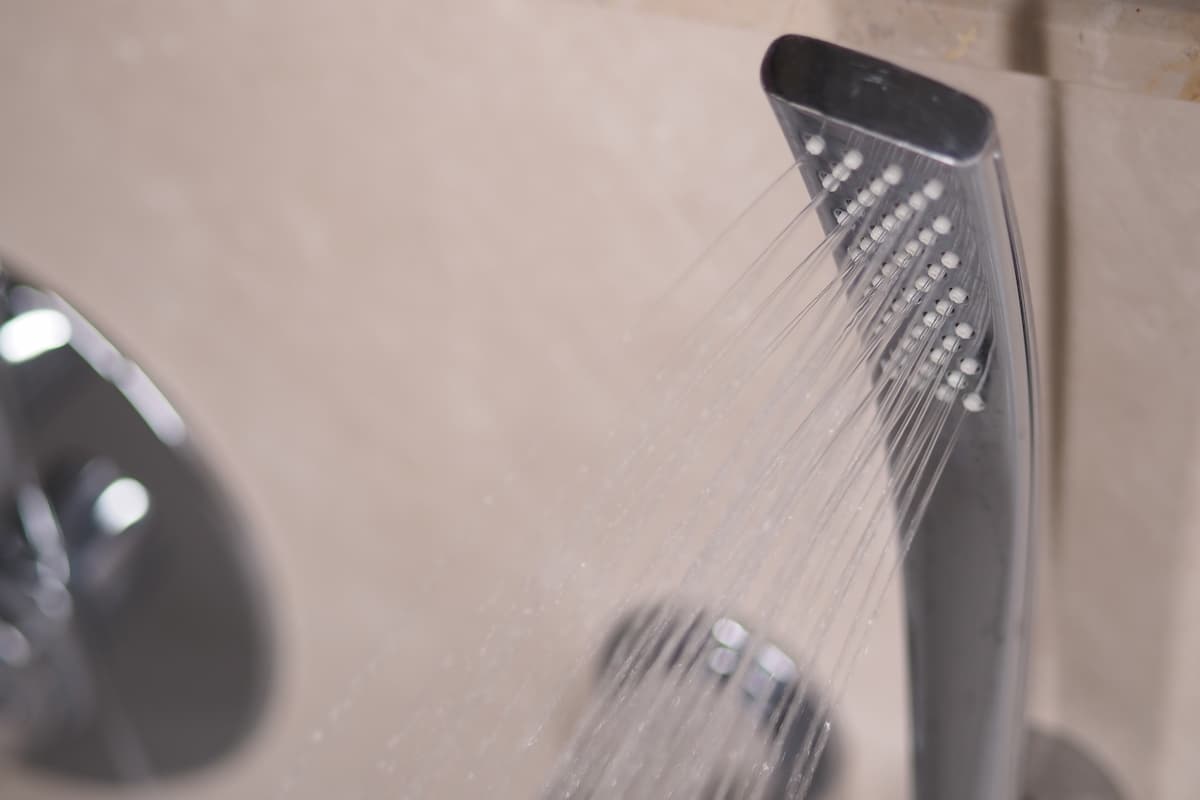
The shower has quietly become one of the most performance-sensitive fixtures in the modern home. Where previous generations accepted lukewarm trickles and inconsistent temperatures as normal, today's homeowners expect considerably more. Modern shower performance expectations now encompass temperature consistency, adequate water pressure, energy efficiency, smart technology integration, and a comfortable, reliable experience every single day. Whether you are renovating a Victorian terrace in Islington, upgrading a new-build flat in Canary Wharf, or modernising a family bathroom in South London, understanding what genuinely defines good shower performance will help you make better decisions — and avoid costly mistakes that are far more common than most bathroom showroom visits would suggest.
What Defines Modern Shower Performance?
Shower performance is not a single measurement. It is the combined result of water pressure, flow rate, temperature stability, system design, and fixture quality working together. A high-specification showerhead fitted to an undersized or poorly designed plumbing system will still deliver a disappointing experience, which is one of the most frequent frustrations encountered during bathroom renovations.
Performance benchmarks worth knowing:
- Water pressure: The recommended working pressure for most modern shower systems is between 1.0 and 3.0 bar. Many older London properties — particularly Victorian and Edwardian homes with gravity-fed systems — operate well below this, sometimes as low as 0.2 to 0.5 bar.
- Flow rate: A well-performing shower typically delivers between 8 and 15 litres per minute, depending on the type of system and installed showerhead.
- Temperature consistency: Modern thermostatic systems should maintain temperature within ±1°C of the set point throughout the shower duration.
Understanding these numbers is useful because they reveal just how far many older installations fall short, and why homeowners increasingly seek professional advice before purchasing new hardware. If you are experiencing weak performance, improving shower water pressure is often the first diagnostic step worth exploring.
Water Pressure and Flow Rate: The Foundations of Shower Performance
No amount of design investment compensates for inadequate pressure. This is a point that surprises many homeowners who assume a premium rainfall showerhead alone will transform their shower experience. In practice, a large-format rainfall head typically requires a minimum of 1.5 bar to perform as intended — and many London properties, especially those served by older gravity-fed hot water cylinders, do not naturally achieve this.
Pressure problems in London homes are closely tied to property age and plumbing design. Pre-1960s properties with traditional tank-and-cylinder systems are the most likely to underperform. Combi boiler installations tend to deliver stronger mains pressure but introduce their own considerations, particularly around simultaneous hot water demand.
A shower pump is a practical solution in gravity-fed systems and can boost pressure to a functional range without requiring a full system replacement. However, pump compatibility with your existing plumbing configuration matters enormously — fitting the wrong type can create noise, air lock problems, or premature pump failure. These are the kinds of installation details that a qualified professional will assess as part of a broader plumbing review rather than simply selling a pump and walking away.
Temperature Consistency and Thermostatic Shower Valves
Inconsistent temperature is one of the most commonly reported shower frustrations in the UK, and it is almost entirely preventable with the correct valve specification. A thermostatic shower valve maintains a pre-set water temperature automatically, adjusting for pressure fluctuations caused by other household water demands — someone flushing a toilet, running a tap, or activating the dishwasher, for example.
This is not a luxury feature. In homes with children, elderly residents, or anyone with temperature sensitivity, thermostatic valves are a practical and meaningful safety consideration. They also reduce energy waste by eliminating the habit of running water while adjusting temperature manually.
When selecting a thermostatic valve, the quality of the cartridge mechanism is the most important long-term performance factor. Cheaper valves often use low-grade cartridges that degrade within two to three years, leading to temperature drift and eventually valve failure. This is precisely the kind of detail that gets glossed over in bathroom showrooms where aesthetics are prioritised over engineering.
For those planning a broader bathroom upgrade, working with a provider offering specialist bathroom plumbing services ensures that valve selection is matched to your specific water system and pressure conditions.
Electric vs Mixer Showers: Which Performs Better?
This is one of the most common questions homeowners ask, and the honest answer is: it depends on your water system.
| Feature | Electric Shower | Mixer Shower |
|---|---|---|
| Water pressure requirement | Low — uses mains cold water only | Higher — dependent on hot and cold supply pressure |
| Temperature consistency | Self-heating — independent of boiler | Relies on boiler supply — thermostatic valve recommended |
| Flow rate | Typically 6–10 litres per minute | Typically 10–20+ litres per minute |
| Energy efficiency | Heats only water used | Can be more efficient with a well-insulated system |
| Installation complexity | Requires dedicated electrical circuit | Requires balanced hot and cold pressure supply |
| Best suited to | Low-pressure homes, flats, secondary bathrooms | Homes with combi boilers or boosted systems |
| Luxury upgrade potential | Limited | High — supports rainfall heads, body jets, digital control |
Electric showers are an entirely self-contained solution. They draw cold water directly from the mains supply and heat it instantaneously, which makes them suitable for properties with low hot water pressure or limited boiler capacity. Their flow rate is constrained by the heating element's kilowatt rating — a 10.8kW unit will typically deliver better flow than an 8.5kW one, but neither will match the output of a well-specified mixer shower in a property with good pressure.
Mixer showers combine hot and cold supplies to deliver temperature-controlled water at the showerhead. When properly specified with a quality thermostatic valve and appropriate pressure, they offer the most satisfying and versatile shower experience — including compatibility with large rainfall heads, body jets, and multi-outlet configurations.
Digital Shower Controls and Smart Shower Technology
Digital shower systems represent the most significant development in domestic shower technology over the past decade. Rather than manual valve operation at the shower itself, digital systems separate the control interface from the valve mechanism. A digital controller — wall-mounted, handheld, or even app-based — sends electronic signals to a remotely located processor valve, which then regulates water temperature and flow with precision.
The practical benefits extend beyond novelty:
- Pre-set temperature memory allows different household members to store their preferred settings.
- Remote activation enables the shower to reach temperature before the user enters, reducing both time spent waiting and water wasted.
- Precise temperature display eliminates guesswork and improves safety.
- Usage monitoring on some systems provides data on water consumption — a meaningful feature for households conscious of water usage and energy bills.
A common misconception is that digital showers are inherently more reliable because they appear more sophisticated. In reality, a digital shower is only as reliable as the plumbing system behind it. A poorly designed installation with inadequate pressure, incorrect pipe sizing, or incompatible components will still underperform regardless of how advanced the control panel appears. Digital controls enhance an already well-functioning system — they do not correct underlying plumbing deficiencies.
For those considering a complete bathroom redesign incorporating digital technology, professional bathroom installation services can ensure that the system design supports the performance the technology is capable of delivering.
Eco-Friendly and High-Efficiency Shower Systems
Water efficiency has become an increasingly important consideration in modern shower specification, driven by both environmental awareness and the practical reality of rising water and energy costs. The good news is that eco-performance and shower satisfaction are no longer mutually exclusive.
Key efficiency features to look for:
- Water-efficient showerheads — Modern aerated showerheads mix air with water to maintain the sensation of volume while reducing actual consumption. Look for models with a flow rate of 8 litres per minute or below without sacrificing perceived pressure.
- Thermostatic valves with cold-start setting — Some thermostatic systems include a cold-start function that requires deliberate override before releasing hot water, preventing accidental high-temperature waste.
- Pause functionality — A pause button or eco-pause valve allows users to stop water flow temporarily without losing temperature, useful when lathering or shaving.
- Usage monitoring — Smart shower systems with consumption data help households understand their water usage patterns and identify opportunities to reduce waste.
The Water Label scheme in the UK provides standardised water efficiency ratings for showerheads and fittings. When specifying new fixtures, this rating system provides a reliable reference point beyond manufacturer marketing claims.
Luxury Shower Features Worth Considering
The definition of a luxury shower experience has shifted considerably. Features that were once associated only with high-end hotel installations are now accessible for residential projects at a range of price points.
Rainfall showerheads remain the most popular luxury specification, delivering a wide, gentle spray pattern. Performance depends entirely on the water pressure behind them — undersized rainfall heads on low-pressure systems produce a disappointing dribble rather than the enveloping experience they are designed to create.
Body jets and multi-outlet systems introduce a spa-like dimension to the shower environment. These require careful flow rate planning because multiple outlets demand significantly more water volume. A system designed to run several body jets simultaneously alongside an overhead head needs pressure and flow calculations that account for the combined demand.
Wet rooms represent the ultimate expression of the open-plan shower concept. The absence of a shower enclosure creates an expansive, architecturally clean environment that is also practical for accessibility. Wet room design, however, requires precise waterproofing, drainage planning, and flooring gradients. When done correctly, a wet room is one of the most enduring investments in a London bathroom. For homeowners considering this direction, exploring wet room concepts and what they involve provides a clear starting point.
Shower Performance Factors and Their Benefits
| Performance Factor | Why It Matters | Typical Standard |
|---|---|---|
| Water pressure | Determines spray force and flow rate | 1.0–3.0 bar recommended |
| Temperature consistency | Comfort and safety — prevents scalding or cold shocks | ±1°C variation with thermostatic valve |
| Flow rate | Affects rinsing efficiency and perceived shower quality | 8–15 litres per minute |
| Thermostatic valve quality | Long-term temperature reliability and cartridge lifespan | Ceramic cartridge recommended |
| Showerhead specification | Spray pattern, water distribution, and efficiency | Matched to pressure and system type |
| Pipework diameter | Affects flow delivery at the outlet | 22mm minimum for mixer showers |
| System compatibility | Ensures pump, valve, and fixtures work together | Assessed at installation stage |
Common Shower Performance Problems and How to Avoid Them
Several performance problems recur consistently across London bathroom renovations, and most are preventable with better planning at the specification stage.
Fitting a large rainfall head without assessing pressure is the single most common mistake. The visual appeal of an oversized overhead fixture is undeniable, but without adequate pressure — typically a minimum of 1.5 bar — the experience will fall well short of expectations.
Installing a pump without checking compatibility creates a separate category of problems. Not all shower pumps are suitable for all systems, and fitting a single-impeller pump where a twin-impeller is required, or connecting a pump incompatible with a combi boiler system, leads to poor performance and potential equipment damage.
Specifying digital controls without addressing underlying plumbing deficiencies is increasingly common as smart bathroom technology becomes more widely marketed. The control interface is the most visible element of a digital shower, but it has no influence over flow rate or pressure. Homeowners sometimes invest significantly in smart controls expecting a performance transformation that only improved plumbing can deliver.
Long-term shower performance also depends on system design decisions made at the installation stage — pipe sizing, valve positioning, and access for future maintenance. Choosing professional plumbing installation from the outset reduces the likelihood of costly remedial work later.
Maintaining Shower Performance Over Time
A well-specified shower system will deliver consistent performance for many years with appropriate maintenance. Limescale accumulation is the most common cause of gradual performance decline — particularly in London, where water hardness is among the highest in the UK. Regular descaling of showerheads and thermostatic cartridges preserves both flow rate and temperature accuracy.
Thermostatic cartridges typically have a service life of five to eight years under normal conditions, though this varies with water quality and usage frequency. Early signs of cartridge wear include temperature drift — the shower runs slightly hotter or cooler than the set point — and difficulty maintaining a consistent temperature during longer sessions.
Periodic checks on pipe connections, flexible hoses, and valve seals are straightforward preventative measures that catch minor issues before they develop into more disruptive faults. If you notice gradual pressure reduction, inconsistent temperature, or unusual sounds from the shower valve, consulting experienced home plumbing specialists before the issue worsens is invariably the more cost-effective approach.
FAQ: Modern Shower Performance Expectations
What water pressure is ideal for a modern shower?
Most modern showers perform best between 1.0 and 3.0 bar. Rainfall showerheads typically require a minimum of 1.5 bar. Properties below this threshold may benefit from a shower pump or system upgrade assessed by a qualified plumber.
Are digital showers better than standard thermostatic showers?
Digital showers offer more precise control, pre-set memory, and smart features. However, they do not improve underlying water pressure or flow. A digital system enhances a well-designed plumbing installation but will not compensate for inadequate pressure or pipe sizing.
What is the difference between a mixer shower and an electric shower?
A mixer shower blends hot and cold water supplies and typically delivers higher flow rates. An electric shower heats mains cold water independently, making it suitable for low-pressure or low hot water supply situations. Each suits different property types and plumbing configurations.
Do smart showers save water?
Many smart shower systems include usage monitoring, pre-set temperature activation, and pause functions that collectively reduce water waste. The actual saving depends on household habits, but smart features can meaningfully reduce unnecessary water running during temperature adjustment.
How long should a thermostatic shower cartridge last?
A quality thermostatic cartridge typically lasts five to eight years under normal use. Signs of wear include temperature drift, inconsistency during use, or difficulty reaching the set temperature. Water hardness in London can accelerate cartridge degradation.
Can I fit a rainfall shower to my existing system?
It depends on your current water pressure. Large rainfall heads require a minimum of 1.5 bar to perform properly. A pressure assessment by a qualified plumber before purchasing fixtures avoids a common and disappointing mistake.
Is a wet room suitable for older London properties?
Yes, with appropriate waterproofing and drainage design. Victorian and Edwardian properties often have solid or suspended timber floors that require careful structural assessment before wet room installation. Professional design and installation is essential.
What is the most common cause of poor shower pressure in London homes?
Gravity-fed hot water systems with undersized header tanks, partially closed service valves, and limescale-blocked shower fittings are the most frequent causes. Older pipe diameters in Victorian and Edwardian homes can also restrict flow regardless of supply pressure.
Are eco-friendly showerheads effective?
Modern aerated showerheads deliver a satisfying spray while reducing water consumption compared with older fixtures. Look for UK Water Label ratings and flow rates of 8 litres per minute or below for a practical balance of efficiency and comfort.
When should I replace my shower system rather than repair it?
When thermostatic valves, pumps, or electric shower units require repeated repair within a short period, replacement is often more economical. Systems older than ten to fifteen years may also fall short of current performance and efficiency standards regardless of repair history.
Thinking About Upgrading Your Shower System?
If this article has raised questions about your own shower performance, water pressure, or bathroom configuration, it may be worth seeking a professional opinion before committing to new fixtures or a full renovation. Understanding your existing system is the most valuable first step — and often reveals practical solutions that are simpler and more cost-effective than a complete replacement.
Explore the range of bathroom and plumbing services available at Emergency Plumber London to find out how a professional assessment can help you achieve the shower performance your home is genuinely capable of delivering.
Safety Disclaimer
The information in this article is provided for educational and informational purposes only. Shower performance is influenced by a wide range of factors including plumbing design, property type, water supply conditions, fixture specification, and installation quality. Outcomes will vary between properties. Any installation, modification, or assessment work relating to shower systems or plumbing should be carried out by a qualified professional where appropriate. Emergency Plumber London recommends seeking professional advice before making purchasing or installation decisions.