Request Job Estimate
 Tap to Call

Introduction
Hidden water leaks are among the most deceptive and costly plumbing problems a London homeowner can face. Unlike a dripping tap or a visibly wet pipe, concealed leaks form silently within walls, beneath floors, and behind structural elements — often going undetected for months or even years. Understanding how hidden water leaks develop is the first step towards protecting your property. A leak that starts as a barely perceptible pinhole in a copper pipe or a slightly loosened joint behind drywall can steadily erode building materials, encourage mould growth, and compromise structural integrity. By the time visible evidence appears, substantial damage is frequently already underway. This article explains the mechanisms behind concealed plumbing failures, the conditions that allow them to worsen, and the warning signs every property owner should know.
How Do Hidden Water Leaks Begin?
Hidden water leaks rarely appear without cause. They are almost always the result of cumulative stress on pipework — a gradual process driven by age, environmental conditions, installation quality, and the daily demands placed on a plumbing system.
In the vast majority of cases, a concealed leak begins as a minor structural weakness: a micro-fracture in aged pipework, a seal that has slowly degraded, or a joint that was never quite secure. Initially, the escape of water is negligible — perhaps a few drops per hour. Because this moisture is absorbed by surrounding insulation, timber joists, or masonry before it ever reaches a visible surface, there is nothing to alert the occupant.
This is what makes hidden plumbing leak investigations so important. By the time a damp patch appears on a ceiling or a floor covering begins to lift, the leak has typically been active for a considerable period. Addressing the visible symptom without understanding the underlying cause simply delays further damage.
What Causes Hidden Water Leaks Behind Walls?
Pipe Corrosion and Deterioration
Pipe corrosion is one of the most prevalent causes of leaks within concealed plumbing systems across London. Older properties — particularly Victorian and Edwardian homes — frequently retain original or mid-century lead and iron pipework that has undergone decades of internal and external degradation. Even where copper pipes were installed as upgrades, they are not immune to corrosion, particularly in areas where water chemistry or soil conditions accelerate the process.
Copper pipe corrosion typically manifests as pinhole leaks — tiny perforations caused by pitting corrosion on the internal pipe wall. These leaks are remarkably difficult to detect visually. The affected pipe may appear structurally sound from the outside while water steadily escapes through openings smaller than a millimetre. Because these leaks are concealed within wall cavities, moisture intrusion progresses unreported until surrounding materials show visible deterioration.
Where corrosion has advanced significantly, full pipework replacement may be the most cost-effective long-term approach, rather than repeated localised repairs that fail to address systemic pipe deterioration.
High Water Pressure and Its Effects on Concealed Pipework
Sustained high water pressure is a frequently underestimated contributor to hidden leak formation. The recommended water pressure for domestic properties in the UK sits between 1 and 3 bar. When pressure consistently exceeds this range — which is not uncommon in certain London postcodes served by high-pressure mains supplies — it creates repeated mechanical stress on pipe walls, fittings, and joints.
Over time, this elevated pressure causes micro-fractures to propagate, weakens soldered joints, and accelerates wear on washers and seals within compression fittings. Homeowners sometimes attribute their high water pressure to good supply quality without realising the damage it silently causes to concealed pipework. A pressure-reducing valve is a straightforward preventative measure, but many properties — particularly converted flats and older terrace houses — lack them entirely.
Loose Plumbing Joints and Connection Failures
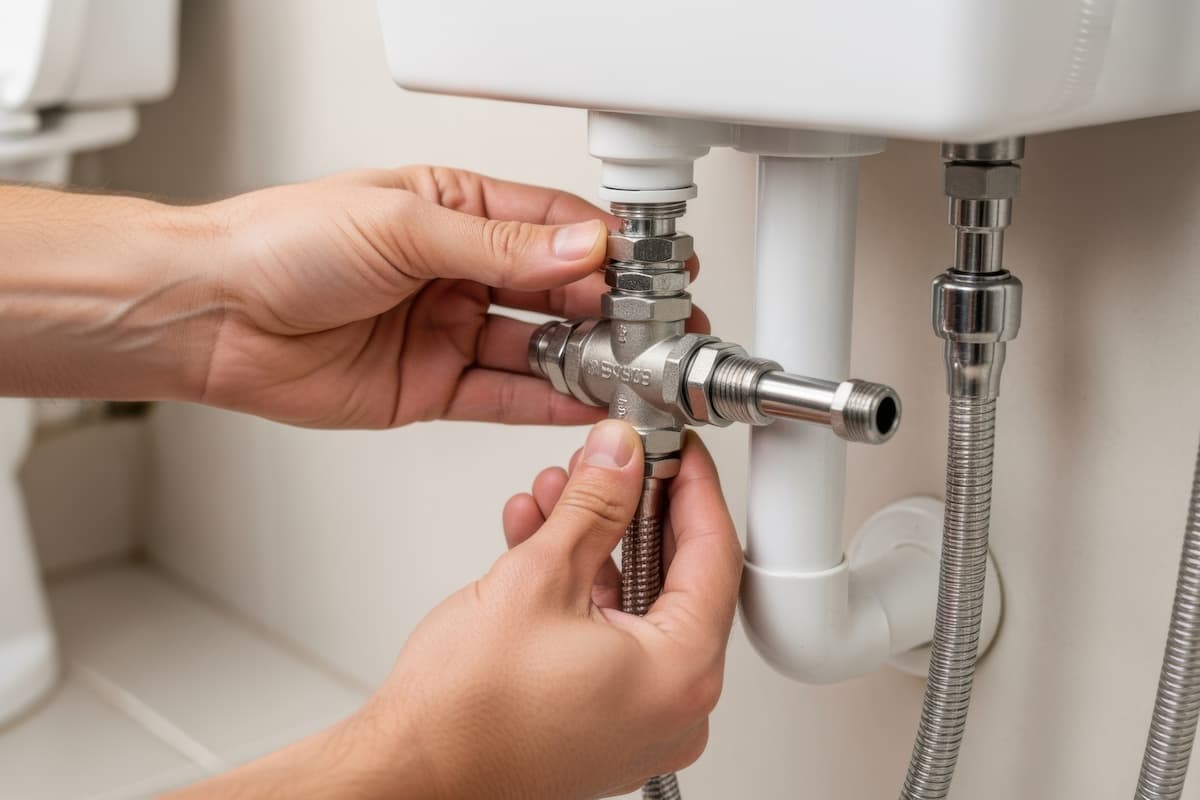
Plumbing joints within wall cavities and beneath floors are vulnerable to gradual loosening. This can occur due to thermal expansion and contraction — pipes naturally expand when hot water passes through them and contract as they cool — which, repeated thousands of times over years, causes mechanical connections to work loose almost imperceptibly.
In converted London flats and modern apartment developments, plumbing systems are often routed through shared voids and service ducts. Joints in these locations are difficult to access for inspection and, in some cases, were installed under time pressure during conversion works. A loosened compression fitting or a deteriorating push-fit connection in these positions can drip continuously for months before the moisture migrates to any accessible surface.
How Do Water Leaks Start Under Floors?
Underfloor Pipe Stress and Ground Movement
Pipework beneath solid concrete floors and suspended timber floors is exposed to a different set of stresses compared to pipes within wall cavities. Ground movement — which is a persistent reality in London due to the clay-heavy soil profile — causes foundations to shift subtly with seasonal moisture changes. As the substrate moves, rigid pipework fixed within or beneath it experiences torsional and bending forces.
This foundation movement pipe leak development is gradual. A pipe that has successfully accommodated minor ground movement for decades can eventually reach a point where repeated stress creates a failure at its weakest point — typically a joint, a bend, or a section affected by prior corrosion. Burst water pipes under flooring can be especially damaging because escaping water saturates the subfloor structure before any evidence appears at floor level.
Thermal and Physical Degradation of Underfloor Pipework
Underfloor heating systems add a further variable. The continuous cycling of temperatures within underfloor pipe networks — particularly older systems using less flexible pipe materials — creates accelerating wear. Where pipework is embedded in screed, any leak repairs require invasive investigation, which is why understanding how hidden pipe leaks develop over time helps homeowners make more informed decisions about maintenance intervals.
Why Do Hidden Leaks Worsen Over Time?
A concealed plumbing leak rarely stabilises. Several factors combine to ensure that an untreated hidden leak almost always becomes more severe.
Water follows the path of least resistance, gradually saturating porous materials such as timber, plasterboard, and insulation. As these materials absorb moisture, they swell, weaken, and eventually lose structural integrity. Saturated timber is particularly vulnerable to rot, and wet insulation loses its thermal efficiency while creating ideal conditions for mould development.
Secondary damage compounds the primary plumbing failure. Mould growth behind walls and beneath floors is not merely an aesthetic problem — it presents health risks, particularly for vulnerable occupants, and its remediation adds significantly to the overall cost of repair. If moisture reaches electrical cabling within wall cavities, it creates serious safety concerns that extend well beyond a plumbing repair.
Without professional burst pipe repair services at the point of failure, what begins as a minor pipe deterioration issue can escalate to require extensive structural repairs, full replastering, flooring replacement, and in severe cases, timber treatment throughout the affected structure.
Early Warning Signs of Concealed Leaks
Detecting a hidden leak early depends on recognising subtle, indirect evidence. Visible water is rarely the first sign.
| Early Warning Sign | Potential Underlying Issue |
|---|---|
| Unexplained increase in water bills | Continuous leak within concealed pipework |
| Damp or discoloured patches on walls or ceilings | Water migrating from a leak behind or above the affected surface |
| Peeling wallpaper or bubbling paint | Moisture accumulation within the wall structure |
| Musty or earthy smell in a room | Mould growth resulting from persistent moisture intrusion |
| Warped, soft, or lifting floorboards | Water saturation of the subfloor from an underfloor leak |
| Sound of running water when all fittings are off | Active leak within the concealed system |
| Meter movement when all taps are closed | Confirms water loss from the supply system |
For a more detailed exploration of these indicators, the article on warning signs of hidden water leaks provides additional diagnostic context.
The Common Causes of Hidden Leaks: A Summary
| Leak Cause | How the Leak Develops |
|---|---|
| Pinhole corrosion in copper pipes | Internal pitting creates micro-perforations; water escapes gradually over time |
| High water pressure | Repeated mechanical stress weakens joints, fittings, and pipe walls |
| Loose plumbing connections | Thermal cycling progressively loosens compression or push-fit fittings |
| Foundation and ground movement | Soil shift applies bending stress to pipework, causing failure at weak points |
| Ageing pipe materials | Lead, iron, or degraded plastic pipes lose structural integrity with age |
| Poor original installation | Sub-standard joints or incorrect pipe sizing create early failure points |
Long-Term Risks to London Properties
The long-term consequences of an unaddressed hidden leak extend well beyond the plumbing system itself. Structural damage, including compromised joists, weakened wall ties, and deteriorating plasterwork, represents the most significant material risk. In Victorian and Edwardian properties — which make up a substantial proportion of London's residential housing stock — original structural timbers are not always treatable once significant moisture damage has occurred.
Insurance complications are another practical concern. Most standard home insurance policies include conditions related to maintenance obligations. If insurers determine that a leak was present for an extended period without investigation, claims for resulting water damage may be disputed. This makes early detection not only a practical matter but a financial one.
Water damage and flooding risks associated with long-standing concealed leaks also include the potential for floor-level flooding if a weakened pipe ultimately fails completely — a scenario that can occur without any prior visible warning in properties where pipework has never been professionally assessed.
Preventative Maintenance and When to Seek Professional Assessment
Plumbing maintenance is not a reactive discipline — or at least, it should not be. For London homeowners, particularly those in older properties with original or partially upgraded pipework, periodic professional assessment is one of the most effective forms of property protection available.
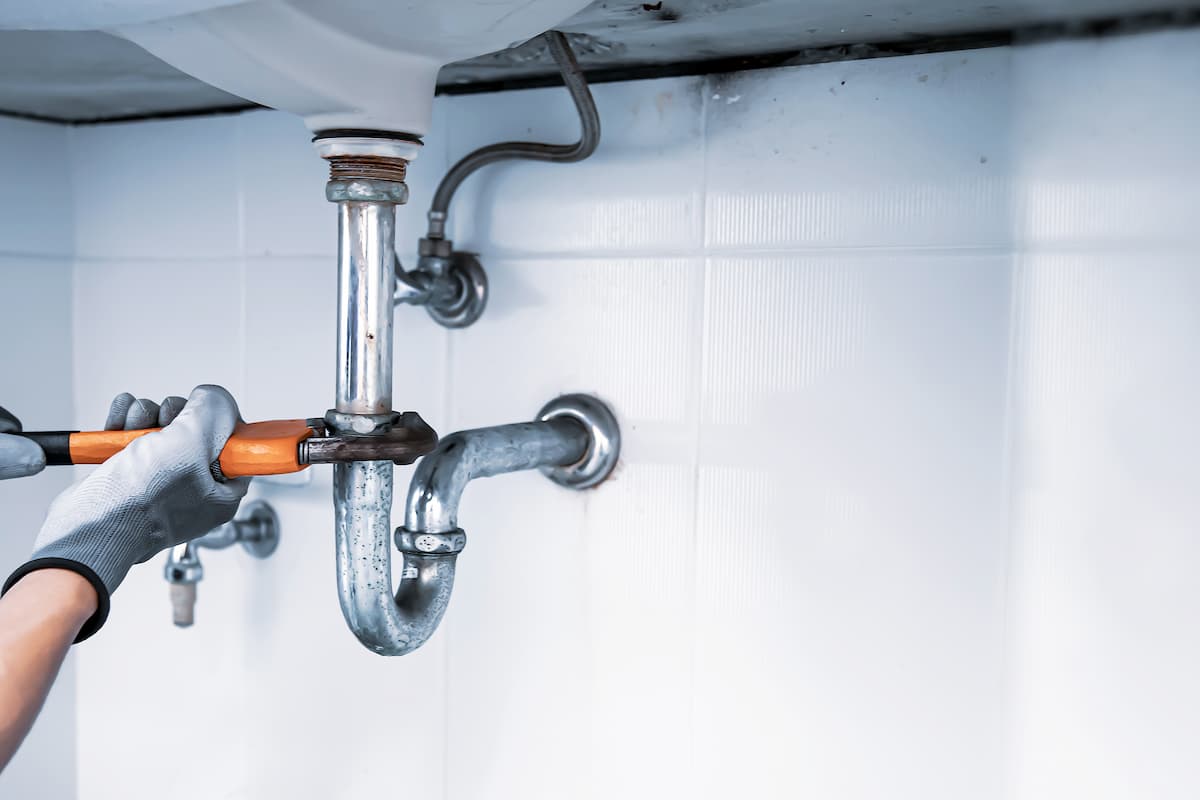
A professional inspection can identify pressure irregularities, assess the condition of accessible pipework, and use non-invasive thermal imaging or acoustic detection equipment to locate moisture movement within wall and floor structures before it becomes a structural problem. This level of preventative support costs considerably less than the remedial works that follow an undetected long-term leak.
One common mistake among property owners is to respond to rising water bills by checking visible fittings — taps, toilets, and exposed pipes — and concluding that nothing is wrong when no visible leak is found. The absence of visible water is not evidence that the plumbing system is leak-free. It is simply evidence that any leak present has not yet migrated to a visible surface.
Frequently Asked Questions
How long can a hidden water leak go undetected?
A concealed leak can remain undetected for months or years, depending on the leak rate, surrounding materials, and how quickly moisture migrates to a visible surface. Slow pinhole leaks in well-insulated wall cavities are particularly difficult to identify without professional detection equipment.
Can high water pressure cause hidden leaks in domestic properties?
Yes. Sustained water pressure above 3 bar accelerates wear on pipe joints, fittings, and pipe walls. Over time, this increases the likelihood of concealed failures, particularly in older pipework or poorly fitted connections. A pressure-reducing valve can help manage this risk.
Are hidden leaks covered by home insurance in the UK?
Coverage varies between policies. Many insurers cover sudden and unforeseen damage but may exclude gradual leaks if evidence suggests the problem was present for an extended period without action. Reviewing your policy wording and acting promptly when a leak is suspected is advisable.
What is the most reliable method of detecting a hidden leak?
Acoustic leak detection and thermal imaging are among the most effective non-invasive methods. A qualified leak detection specialist can identify moisture movement and pinpoint leak locations within walls and floors without requiring extensive exploratory excavation.
Why are leaks behind walls particularly damaging?
Wall cavities contain structural timbers, insulation, and often electrical wiring. Persistent moisture in these spaces causes timber rot, mould growth, and potential electrical hazards — all of which develop silently and can reach an advanced stage before any external sign appears.
How do I know if my older London property has corroded pipework?
Signs include discoloured water (particularly first thing in the morning), reduced water pressure, a metallic taste, or a history of minor leaks. Properties built before 1970 with original pipework are at elevated risk of corrosion-related failures.
Should I investigate a hidden leak myself?
Basic checks — such as reading your water meter before and after a period of zero usage — can indicate whether water is being lost from the system. However, locating and diagnosing the source of a concealed leak requires professional equipment and expertise. DIY investigation risks causing additional damage to wall and floor structures.
How quickly do hidden leaks cause structural damage?
This depends on the leak rate and surrounding materials. Timber structures can begin to show rot within weeks of sustained moisture exposure. Plasterboard degrades quickly once saturated. Early detection significantly reduces the scope and cost of remedial work.
Can I prevent hidden leaks from developing?
While no plumbing system is entirely immune to failure, regular professional maintenance, water pressure monitoring, and periodic inspection of accessible pipework substantially reduce the risk of undetected concealed leaks developing into serious problems.
Thinking About Your Property's Pipework?
If any of the causes or warning signs described in this article sound familiar — whether it is an unexplained rise in your water bills, a persistent damp smell, or simply the knowledge that your London property has older pipework that has never been professionally assessed — it may be worth exploring what a professional investigation could reveal.
Understanding how hidden water leaks develop is the most effective foundation for preventing them from becoming costly structural problems. If you want a property-specific assessment, speak with experienced home plumbing specialists to identify leak risks before major damage develops.
Safety Disclaimer
The information provided in this article is intended for educational and informational purposes only. Hidden plumbing leaks vary significantly depending on pipe materials, system condition, property age, water chemistry, and original installation quality. The scenarios described are illustrative examples based on common plumbing failure patterns and should not be treated as a definitive diagnosis for any specific property. If water damage, structural concerns, unusual moisture, or significant plumbing faults are suspected, seek assistance from a qualified plumbing professional promptly. Delayed action on a suspected concealed leak may result in increased property damage and more complex remedial requirements.