Request Job Estimate
 Tap to Call

Few domestic frustrations are quite as immediate as stepping into a cold shower or discovering the hot water has run out halfway through washing up. For many London homeowners, inconsistent hot water is a recurring problem rather than an occasional inconvenience — and the causes are rarely as straightforward as a simple boiler fault. Understanding the factors affecting hot water reliability gives homeowners the knowledge to recognise warning signs early, make informed decisions about maintenance, and avoid costly emergency call-outs. Whether your home runs on a combi boiler, a stored hot water cylinder, or an older gravity-fed system, multiple interconnected factors influence how reliably your hot water performs — and most of them can be addressed before they become serious problems.
Key Takeaways
- ✓ System sizing is one of the most underappreciated reliability factors — an undersized cylinder or boiler will underperform regardless of its condition
- ✓ Hot water cylinders typically last 8–12 years; ageing systems accumulate faults across multiple components simultaneously
- ✓ In hard water areas like London, sediment and limescale accumulation is a significant and often invisible cause of declining hot water performance
- ✓ Expansion vessel failure causes pressure fluctuations and PRV discharge — an often-missed fault with serious long-term consequences if left unaddressed
- ✓ Annual servicing of both the boiler and hot water system is the single most effective preventative measure available to homeowners
What Does Hot Water Reliability Actually Mean?
Hot water reliability refers to the consistent ability of a domestic hot water system to deliver water at the correct temperature, at adequate pressure, and in sufficient volume to meet a household's daily demand. A reliable system responds predictably: turn on the tap, and hot water arrives promptly, maintains its temperature, and doesn't fluctuate erratically under normal household use.
When reliability breaks down, it usually manifests as one of several recognisable patterns — hot water that runs out quickly, temperature that fluctuates mid-shower, pressure that drops when a second tap is opened, or a system that takes unusually long to reheat. Each of these patterns points toward different underlying causes, many of which are progressive rather than sudden. Identifying common hot water problems early is one of the most effective ways to prevent minor performance issues from developing into full system failures.
System Sizing: The Foundation of Consistent Performance
One of the most underappreciated factors in hot water reliability is whether the system is correctly sized for the property and the number of occupants it serves. A hot water cylinder that was adequate for a two-person household may be chronically undersized after a growing family moves in, or after an additional bathroom is added during a renovation.
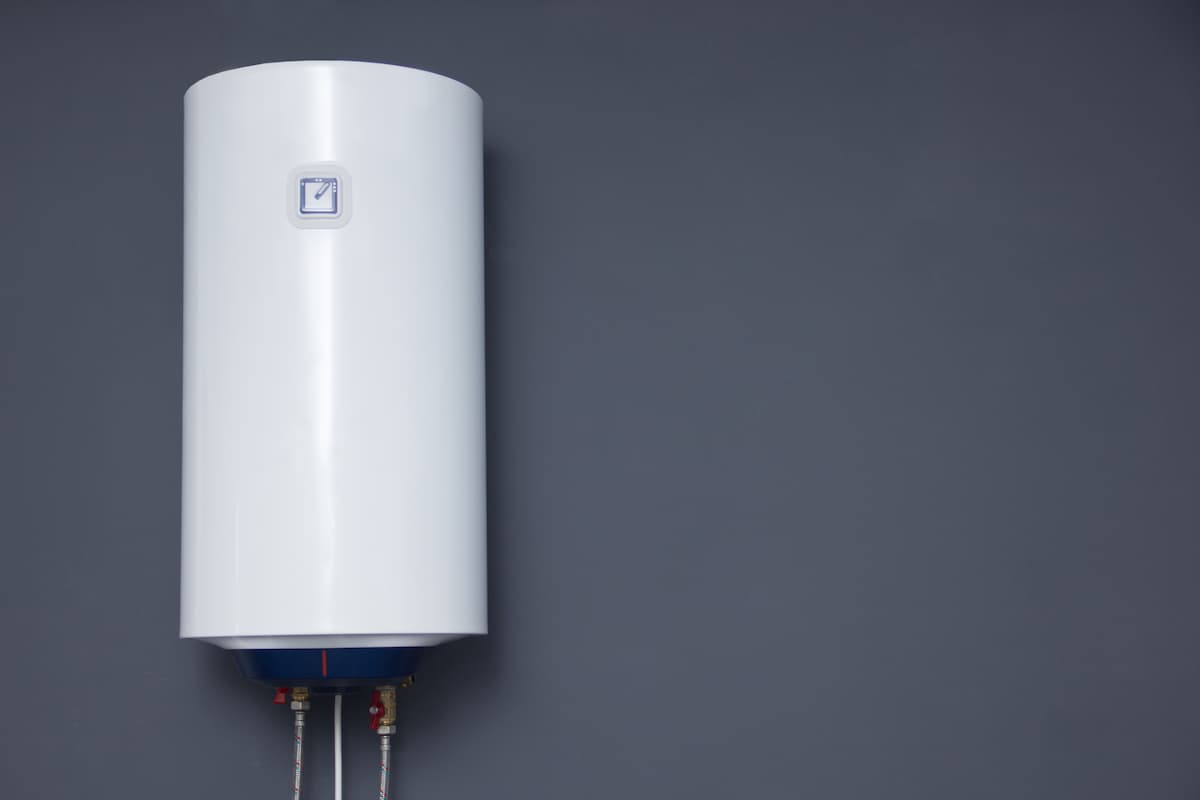
For stored hot water systems, cylinder capacity is a primary constraint. A standard 120-litre cylinder typically serves two to three people under normal usage patterns. A four or five-person household, particularly one with multiple showers and a dishwasher running simultaneously, can exhaust that supply quickly. This is often why homeowners ask why their hot water runs out so fast — the system hasn't failed; it has simply been overwhelmed by demand that exceeds its designed capacity.
Combi boilers introduce a different constraint: flow rate. Unlike stored systems, combi boilers heat water on demand, meaning their performance is directly linked to their kilowatt output and the simultaneous demands placed on them. A combi boiler rated for one bathroom may struggle noticeably in a property where two showers run at the same time. This is a common source of frustration in converted Victorian and Edwardian terraces that have been extended or reconfigured without upgrading the heating system.
Reviewing hot water cylinder performance is a sensible starting point when a household's demand has changed but the system hasn't kept pace.
The Role of Water Heater Age and System Lifespan
Hot water systems are not indefinite assets. A conventional hot water cylinder has an expected service life of roughly 8 to 12 years, though well-maintained units in areas with moderate water hardness can last longer. Combi boilers typically perform reliably for 10 to 15 years with proper servicing. Beyond these thresholds, reliability tends to decline progressively rather than catastrophically.
Ageing systems accumulate wear across multiple components simultaneously — thermostats become less accurate, pressure relief valves degrade, internal linings corrode, and heating elements lose efficiency. The practical result is a system that works, but inconsistently: temperature fluctuations become more frequent, recovery times extend, and minor faults become more common. Many homeowners attribute these symptoms to isolated component failures without recognising that the overall system is approaching end-of-life.
In older London properties — particularly Victorian terraces and pre-war mansion flats — the original plumbing infrastructure can compound this further. Ageing pipework, varying water pressure across the local mains network, and outdated system configurations all interact with an older water heater to produce unreliable performance. Understanding water heater maintenance considerations becomes particularly important when managing older domestic heating systems in these contexts.
Sediment Buildup and Its Effect on Heating Efficiency
In areas with hard water — which includes much of London and the South East — limescale and sediment accumulation inside hot water cylinders and water heaters is a significant and often invisible factor in declining reliability.
Sediment settles at the base of storage cylinders over time, forming an insulating layer between the heating element or heat exchanger and the water above it. This forces the system to work harder to reach target temperature, extending heating cycles, increasing energy consumption, and placing additional thermal stress on components. The practical result is a system that heats more slowly and maintains temperature less efficiently — both of which erode reliability.
Recognisable signs of sediment buildup include:
- Rumbling or popping sounds during heating cycles
- Longer than usual recovery times after hot water use
- Reduced hot water volume despite the system appearing to function
- Discoloured or slightly cloudy hot water in older tanks
Annual flushing and descaling, particularly in hard water areas, is one of the most cost-effective maintenance interventions available to homeowners. It is a step that is frequently overlooked, yet it has a measurable impact on both performance and system longevity.
Thermostat Performance and Temperature Regulation
The thermostat governing a hot water system plays a central role in reliability, yet it is one of the components most commonly misunderstood by homeowners. A water heater thermostat malfunction doesn't always mean the system stops working entirely — more often, it means the system heats water inconsistently, overshoots or undershoots target temperature, or fails to maintain the set temperature through periods of steady demand.
For stored hot water cylinders, the recommended storage temperature is 60°C, which is sufficient to prevent Legionella growth while providing safe, usable hot water at the tap. Thermostats that drift below this setting due to age or calibration errors create both a reliability issue and a potential health risk. Thermostats set too high, conversely, can cause excessive thermal expansion, place unnecessary strain on pressure relief components, and increase energy costs without improving the usable hot water supply.
Immersion heater thermostats, in particular, are prone to gradual calibration drift. If a property relies on electric immersion heating — common in flats and properties without a gas connection — monitoring immersion heater performance issues is an important part of maintaining consistent hot water delivery.
Water Pressure and Flow Rate: Two Distinct Influences
Many homeowners use the terms water pressure and flow rate interchangeably, but they describe different things, and both influence hot water reliability in distinct ways.
Water pressure refers to the force at which water is delivered through the mains supply. In London, mains pressure can vary considerably between areas and even between properties on the same street — a known characteristic of the capital's ageing distribution infrastructure. Low inlet pressure directly affects how well stored systems pressurise and how effectively unvented cylinders perform.
Flow rate refers to the volume of water delivered per unit of time — typically measured in litres per minute. This is particularly relevant for combi boilers and instantaneous water heaters, where the flow rate through the heat exchanger determines whether the unit can maintain target output temperature. If flow rate drops below the system's minimum threshold — due to a partially blocked inlet filter, a failing pump, or simultaneous demand from multiple outlets — the heater may deliver lukewarm water or cut out altogether.
Understanding the differences between vented and unvented hot water systems is helpful here, as each design responds differently to pressure and flow rate variations. Unvented systems, for example, rely on adequate mains pressure to function correctly and are poorly suited to properties with consistently low inlet pressure.
Thermal Expansion and Its Impact on System Integrity
Thermal expansion is a physical phenomenon that occurs in every hot water system: as water heats up, its volume increases. In open-vented systems, this expansion is accommodated by the feed-and-expansion cistern in the loft. In unvented and sealed systems, an expansion vessel absorbs the increased volume.
When expansion vessels fail — losing their pre-charge pressure or developing a membrane fault — the system has nowhere to safely accommodate the expanding water. This typically manifests as the pressure relief valve discharging periodically, pressure gauge readings that spike during heating cycles, or a system that repeatedly loses pressure. Left unaddressed, thermal expansion issues place sustained stress on cylinder walls, joints, and valves, and can significantly shorten system lifespan.
Expansion vessel failure is a gradual process. Vessels should be inspected and pressure-checked as part of annual servicing — something that is often omitted in basic boiler service visits that don't include a full hot water system check.
Household Demand Patterns and Usage Behaviour
System performance doesn't occur in isolation — it responds to how a household actually uses hot water. Simultaneous demand from multiple outlets (shower, bath, kitchen tap, washing machine, and dishwasher running concurrently) places peak loads on any system, and a setup that performs adequately under moderate use may struggle noticeably during morning routines in a busy family home.
Usage behaviour also affects recovery. A stored hot water system needs time to reheat after significant draw-off. In a household where three showers follow in quick succession, the cylinder may not have recovered sufficiently before the third user, leading to the common complaint of cold water appearing before the shower is finished. This isn't necessarily a fault — it's a demand management issue that can often be resolved by adjusting usage patterns, upgrading cylinder capacity, or installing a supplementary heating source.
Rental properties and HMOs face this challenge acutely, where multiple independent occupants create unpredictable and overlapping demand patterns that standard residential systems are rarely designed to accommodate.
Key Factors and Warning Signs at a Glance
| Factor Affecting Hot Water Reliability | Potential Impact |
|---|---|
| Undersized cylinder or water heater | Hot water exhausted quickly under normal demand |
| Sediment and limescale accumulation | Reduced efficiency, longer reheat times, noise |
| Ageing thermostat or calibration drift | Inconsistent temperature, energy waste |
| Failed or undercharged expansion vessel | Pressure fluctuations, PRV discharge |
| Low mains water pressure | Poor performance in unvented systems |
| Insufficient flow rate for combi boiler | Lukewarm output under simultaneous demand |
| System age beyond expected service life | Cumulative reliability decline across components |
| Inadequate maintenance history | Accelerated component wear, early failure |
| Warning Sign | Possible Underlying Cause |
|---|---|
| Hot water runs out very quickly | Undersized cylinder, high household demand |
| Rumbling or banging during heating | Sediment buildup at base of tank |
| Temperature fluctuates during shower | Thermostat fault, pressure variation, flow rate issue |
| Pressure relief valve dripping regularly | Expansion vessel failure, excessive system pressure |
| Hot water takes a long time to reheat | Sediment insulation, failing heating element |
| Discoloured hot water | Internal corrosion, aged cylinder lining |
| Low hot water pressure at tap | Mains pressure issue, blocked inlet filter |
Maintenance: The Factor That Ties Everything Together
Many of the reliability issues described above are preventable or at least manageable with consistent, professional maintenance. Annual servicing of both the boiler and the hot water system — treated as separate but related checks — allows qualified engineers to identify early-stage component degradation, recalibrate thermostats, check expansion vessel pressure, inspect anodes in unvented cylinders, and flush accumulated sediment before it significantly affects performance.
A common mistake homeowners make is treating hot water system maintenance as optional or deferring it until a fault becomes obvious. In practice, a system that receives no attention beyond emergency repairs will reliably underperform a system that is serviced routinely — and will typically reach end-of-life earlier. If you're unsure about the current condition of your hot water system or haven't had a full inspection recently, consulting experienced home plumbing specialists can provide a clear picture of where the system stands and what, if anything, needs attention.
Frequently Asked Questions
How long should a hot water cylinder last?
Most hot water cylinders have a service life of 8 to 12 years. Lifespan varies depending on water hardness, maintenance history, and usage levels. Unvented cylinders with annual servicing and timely anode replacement may perform reliably beyond this range.
Why does my hot water run out faster in winter?
Cold incoming mains water requires more energy to heat during winter months, which can extend recovery times. Higher household demand during colder months also draws on stored supplies more heavily, reducing available capacity between heating cycles.
What temperature should my hot water cylinder be set to?
The recommended storage temperature for a hot water cylinder in a UK home is 60°C. This temperature inhibits Legionella bacteria growth while providing safe, usable hot water. Thermostats set significantly below this level create both a performance and a health risk.
Can low water pressure affect my hot water supply?
Yes. Low mains pressure directly affects the performance of unvented cylinders and combi boilers, both of which require adequate inlet pressure to function correctly. In London, mains pressure can vary between areas, and persistent low pressure should be investigated professionally.
How often should a hot water system be serviced?
Annual servicing is the standard recommendation for both boilers and hot water systems. Servicing should include a thermostat check, expansion vessel inspection, pressure relief valve test, and a review of sediment levels in stored systems.
Does sediment buildup really make a difference?
Significantly. Sediment forms an insulating layer that forces heating elements to work harder and longer. In hard water areas like London, descaling every one to two years can measurably reduce energy consumption and extend system lifespan.
What is an expansion vessel and why does it matter?
An expansion vessel is a sealed component in unvented and sealed hot water systems that absorbs the increased water volume created when water heats up. A failed expansion vessel leads to pressure fluctuations, PRV discharge, and increased stress on system components.
How do I know if my water heater thermostat is failing?
Common symptoms include water that is consistently too hot or too cold despite correct settings, temperature that varies unpredictably during use, and extended heating cycles. A qualified plumber can test thermostat accuracy and recalibrate or replace it as needed.
Is it worth repairing an ageing hot water system or replacing it?
This depends on the system's age, condition, and the nature of the fault. As a general guide, if a system is over 10 years old and requires a significant repair, replacement is often more cost-effective than repair — particularly if energy efficiency improvements are also a consideration.
Why does my hot water pressure drop when another tap is opened?
This is typically caused by shared pipework where simultaneous demand from multiple outlets reduces the available flow to each. It can also indicate an undersized supply pipe, a partially closed isolation valve, or a flow rate limitation in the water heater itself.
Need a Professional Assessment of Your Hot Water System?
If your hot water supply has become inconsistent, slower to recover, or noticeably less reliable than it once was, it is worth having the system assessed by a qualified plumber before the problem progresses. Understanding what's influencing performance — whether that's sediment accumulation, an ageing thermostat, pressure variation, or demand exceeding system capacity — allows you to make informed decisions about maintenance, repair, or replacement.
Explore our guidance on common hot water problems for further diagnostic information, or get in touch with our team at Emergency Plumber London to arrange a professional hot water system assessment.
Safety Disclaimer
The information in this article is provided for educational and informational purposes only. Hot water system performance varies depending on equipment type, age, installation quality, maintenance history, and household demand. Any repairs, electrical work, gas-related work, or system modifications should be carried out by appropriately qualified professionals. Gas work must be performed by a Gas Safe registered engineer. Electrical work should be completed by a qualified electrician. Do not attempt to adjust, repair, or modify hot water systems without appropriate qualifications and experience.