Request Job Estimate
 Tap to Call


Overview
That persistent drip from your kitchen tap might seem harmless enough to postpone fixing until next weekend. The slightly slower-than-usual bathroom drain probably does not warrant immediate attention either. However, these seemingly minor common plumbing issues homeowners ignore often evolve into costly emergencies that could have been prevented with timely intervention. Most homeowners prioritise visible problems over subtle warning signs, yet experience attending emergency plumbing calls across London reveals that the majority of expensive repairs began as small issues overlooked for weeks or months. Understanding which minor problems require immediate attention can save thousands in repair costs and prevent the stress of dealing with flooding or structural damage.
Key Takeaways
- Minor plumbing issues like dripping taps and slow drains escalate predictably into expensive emergencies
- A single dripping tap wastes approximately 5,500 litres of water annually
- Water damage develops behind walls and beneath flooring long before visible signs appear
- Rising water bills often indicate hidden problems before leaks become apparent
- London period properties face unique challenges due to ageing pipework and complex systems
- Early professional assessment prevents repair costs multiplying by five to ten times
Most Commonly Ignored Plumbing Problems
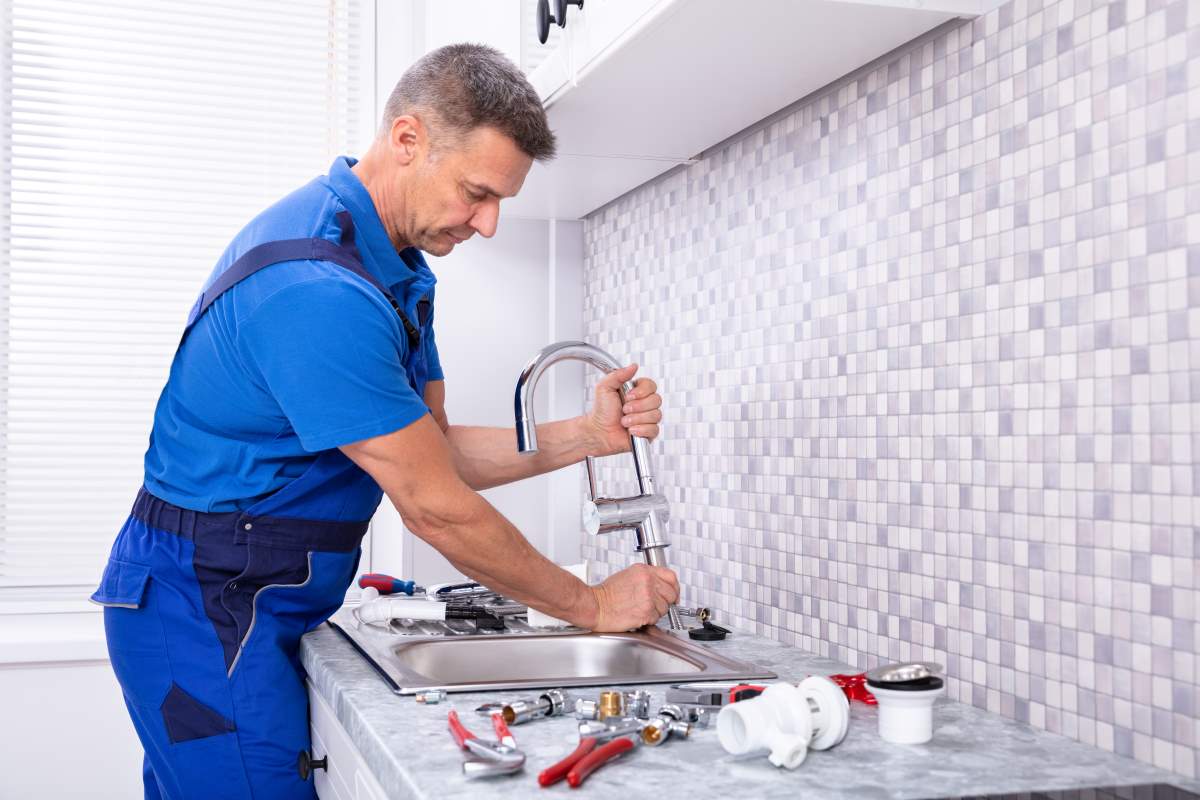
Dripping Taps and Minor Leaks
A single dripping tap wastes approximately 5,500 litres of water annually — enough to fill over 180 baths. Beyond the environmental impact and increased water bills, minor leaks often indicate deteriorating washers, O-rings, or valve seats that will eventually fail completely.
In London's older properties, particularly Victorian and Edwardian homes, dripping taps frequently signal ageing pipework throughout the property. What begins as a minor annoyance can escalate to complete tap failure, requiring emergency repairs during evenings or weekends when charges are highest.
Slowly Draining Sinks and Basins
Many homeowners adapt to slowly draining sinks rather than addressing the underlying cause. Gradual drainage reduction often indicates accumulating debris, grease buildup, or developing blockages in waste pipes.
Ignoring slow drainage allows blockages to worsen until complete obstruction occurs, frequently leading to overflow incidents and water damage. Properties with older drainage systems are particularly vulnerable to persistent sink drainage problems requiring specialist attention.
Low Water Pressure Throughout the Property
Homeowners often accept reduced pressure as normal without investigating the root cause. Declining water pressure can indicate scale buildup in pipes, developing leaks within the system, issues with the main supply connection, or failing pressure regulation equipment. Left unaddressed, these problems worsen until water flow becomes inadequate for normal household activities.
Expert Insight 1
Most costly plumbing emergencies begin as minor issues homeowners considered harmless. A £150 tap repair becomes an £800 emergency call-out when the valve fails completely during a weekend. Minor drainage issues requiring £200 professional clearance escalate to £2,000+ when overflow damage affects flooring.
Hidden Warning Signs Most Homeowners Miss
Unusual Sounds from Plumbing Systems
Pipes that bang, whistle, or gurgle are communicating important information about their condition. Water hammer — the banging sound when taps turn off quickly — indicates pressure issues damaging pipe joints over time. Gurgling sounds from drains suggest ventilation problems or developing blockages.
Water Stains and Discolouration
Small water stains on ceilings, walls, or around fixtures reveal hidden plumbing issues requiring immediate investigation. Many homeowners assume minor staining will dry naturally, not realising that visible damage represents only a fraction of actual moisture penetration.
Rising Water Bills Without Increased Usage
Unexpectedly high water bills often reveal hidden leak warning signs before leaks become visible. A sudden 20% increase in water costs typically indicates significant water wastage somewhere within the system.
Why Minor Issues Become Major Expenses
| Ignored Plumbing Issue | Potential Consequence |
|---|---|
| Dripping tap | Complete valve failure, water damage to cabinets |
| Slow drainage | Total blockage, overflow damage to flooring |
| Low water pressure | Pipe failure, complete supply interruption |
| Minor visible leak | Structural damage, extensive mould growth |
| Running toilet | Waste system failure, continuous water loss |
| Gurgling drains | Full blockage, sewage backup into property |
Expert Insight 2
Water damage develops behind walls and beneath flooring long before visible signs appear. This hidden deterioration affects structural elements, electrical systems, and decorative finishes simultaneously, multiplying repair costs by factors of five to ten compared to early intervention.
The Escalation Process
Plumbing problems ignored too long follow a predictable pattern:
- Initial symptoms appear — subtle enough to postpone action
- Underlying deterioration continues — hidden damage accumulates
- Secondary problems develop — moisture affects surrounding materials
- Symptoms become impossible to ignore — visible flooding or failure
- Emergency intervention required — maximum cost and disruption
London Property Vulnerabilities
Victorian and Period Properties
Older London properties present unique challenges due to original lead pipes, cast iron drainage systems, and period fixtures requiring specialist understanding. Many Victorian homes feature complex plumbing systems that evolved over decades, with multiple modifications creating potential weak points.
Professional home plumbing inspections help identify vulnerabilities before they cause expensive emergencies.
Modern Flats and Converted Properties
Converted period properties often feature hastily installed plumbing systems prioritising space efficiency over long-term reliability. Shared drainage creates complications when individual flat problems affect neighbouring properties.
Essential Warning Signs Requiring Immediate Action
| Warning Sign | Recommended Action |
|---|---|
| Water stains appearing or growing | Professional leak detection assessment |
| Persistent gurgling sounds | Drainage system inspection |
| Declining water pressure | Supply system evaluation |
| Unusual water discolouration | Water quality and pipe assessment |
| Rising utility bills unexplained | Comprehensive system check |
Expert Insight 3
Many household insurance policies exclude damage resulting from gradual leaks or maintenance neglect. Sudden failures receive coverage, but problems developing over weeks or months may not qualify for claims — making early intervention financially crucial.
Preventative Maintenance Strategies
Establishing simple monthly inspection routines helps identify developing problems:
- Check all taps — note any drips or unusual operation
- Test drainage speed — monitor all sinks and basins
- Assess water pressure — compare hot and cold flow consistency
- Inspect visible pipework — look for corrosion or moisture
- Monitor utility bills — compare quarterly against previous years
- Check overflow indicators — watch for overflow warning signs in older systems
Planning for System Upgrades
Properties approaching significant plumbing system renewal benefit from professional assessment of ageing pipework problems. Planned replacements cost significantly less than emergency interventions and allow upgrading to modern, efficient systems.
Understanding that copper pipes typically last 50–70 years whilst cast iron drainage may require replacement after 75–100 years helps homeowners plan maintenance proactively.
Frequently Asked Questions
How can I tell if a slow drain needs professional attention?
If drainage time increases noticeably over several weeks, or if multiple fixtures drain slowly simultaneously, professional assessment prevents complete blockages and potential overflow damage.
When does a dripping tap become an emergency?
A dripping tap becomes urgent when it cannot be turned off completely, indicates hot water system problems, or causes visible water damage to surrounding surfaces.
Can low water pressure indicate serious plumbing problems?
Yes. Sudden pressure drops often indicate hidden leaks, whilst gradual decline suggests pipe deterioration or scale buildup requiring professional evaluation.
How much water does a dripping tap actually waste?
A steady drip wastes approximately 15 litres daily, costing £30–50 annually in water bills whilst potentially indicating more serious underlying component deterioration.
What constitutes an emergency plumbing situation?
Any leak that cannot be controlled, complete loss of water supply, sewage backing up into the property, or visible structural damage from water require immediate professional attention.
Should I attempt DIY repairs on minor plumbing problems?
Simple tasks like replacing tap washers or clearing obvious blockages suit DIY approaches. Anything involving hidden pipes, multiple fixtures, or electrical safety requires professional expertise.
How often should I inspect my home's plumbing system?
Monthly visual inspections of visible pipes, taps, and drainage performance help identify developing problems before they require emergency intervention.
Can ignored plumbing problems affect my insurance coverage?
Many policies exclude damage from gradual leaks or maintenance neglect, making prompt attention to minor problems financially important for maintaining coverage protection.
Safety Disclaimer
Information in this article is provided for educational and informational purposes only. Plumbing issues vary depending on property type, system condition, and severity. If there is a risk of flooding, water damage, electrical hazards, or significant property damage, seek professional assistance immediately.
Learn More
Recognising early warning signs and responding promptly protects both property and finances whilst ensuring household safety. If you're concerned about potential plumbing issues in your London property, exploring preventative maintenance options and professional assessment services helps maintain property value and avoid costly emergency repairs.