Request Job Estimate
 Tap to Call
A blocked toilet is one of those problems that goes from minor annoyance to full-blown emergency in seconds. The water rises, you panic and reach for the bleach – and that is often when the real damage starts. This guide explains exactly when a blocked toilet emergency London call-out is justified, what to do (and crucially what not to do) while you wait for help, and how a professional plumber will clear the blockage safely.
If your toilet is overflowing right now, call 020 3475 2302 – a Gas Safe registered emergency plumber in London can usually be at your door within the hour.
Is a blocked toilet an emergency?
Not every blocked toilet needs a same-hour call-out – but several scenarios make it a genuine emergency:
- The toilet is overflowing or the water level is still rising after flushing.
- You only have one toilet in the property.
- Sewage is backing up into the bath, shower or kitchen sink – a sign of a main drain blockage.
- There is a bad smell of sewage in the property.
- You run a restaurant, shop, office or rental where a non-working toilet stops trading or breaches tenancy obligations.
- The blockage has lasted more than 24 hours despite gentle plunging.
If you have a second working bathroom and the blockage is isolated to one toilet, you can usually wait until normal working hours and save on out-of-hours rates. See our guide on emergency plumber cost in London for realistic pricing.
What to do if the toilet is overflowing
Stay calm and work through these steps in order:
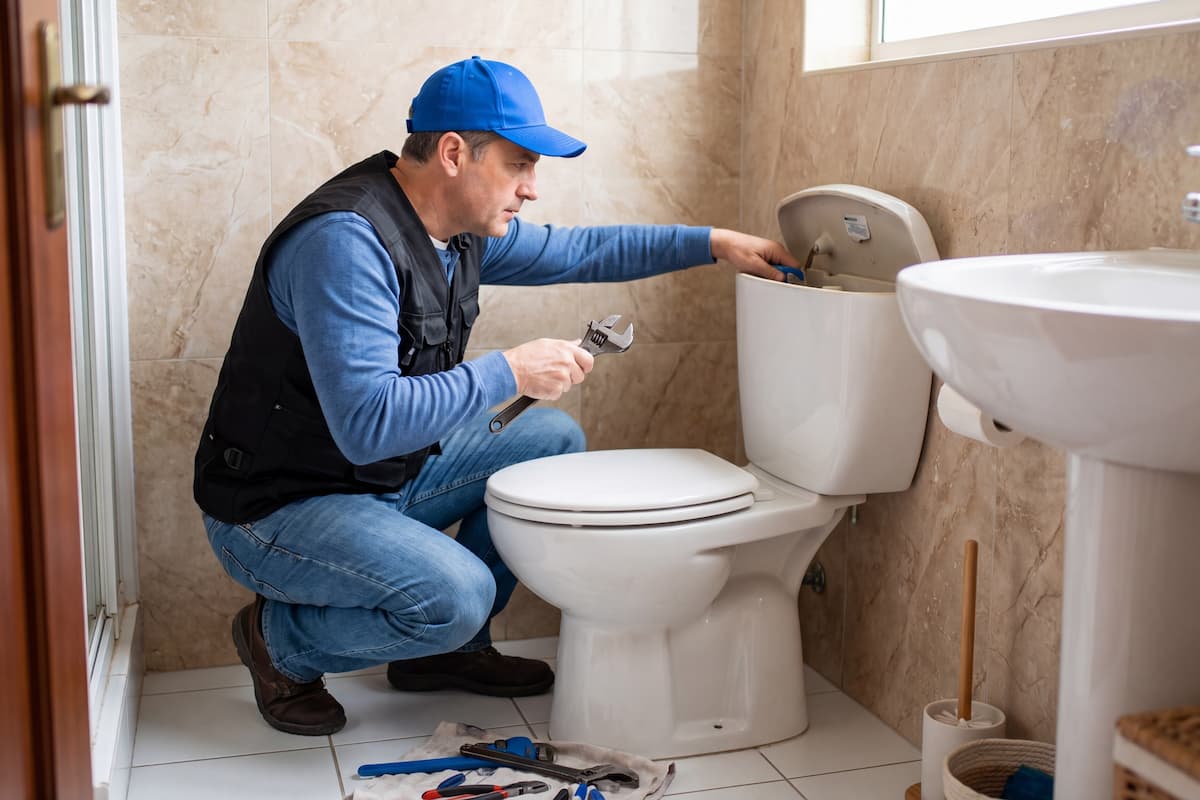
- Stop the refill. Lift the cistern lid and push the float arm up, or close the small isolation valve on the supply pipe behind the toilet (turn the screw a quarter turn with a flat screwdriver).
- Do not flush again. Each flush adds more water to an already overflowing bowl.
- Place towels around the base to contain spreading water and protect the floor.
- Bail water out with a small container if the bowl is full to the rim.
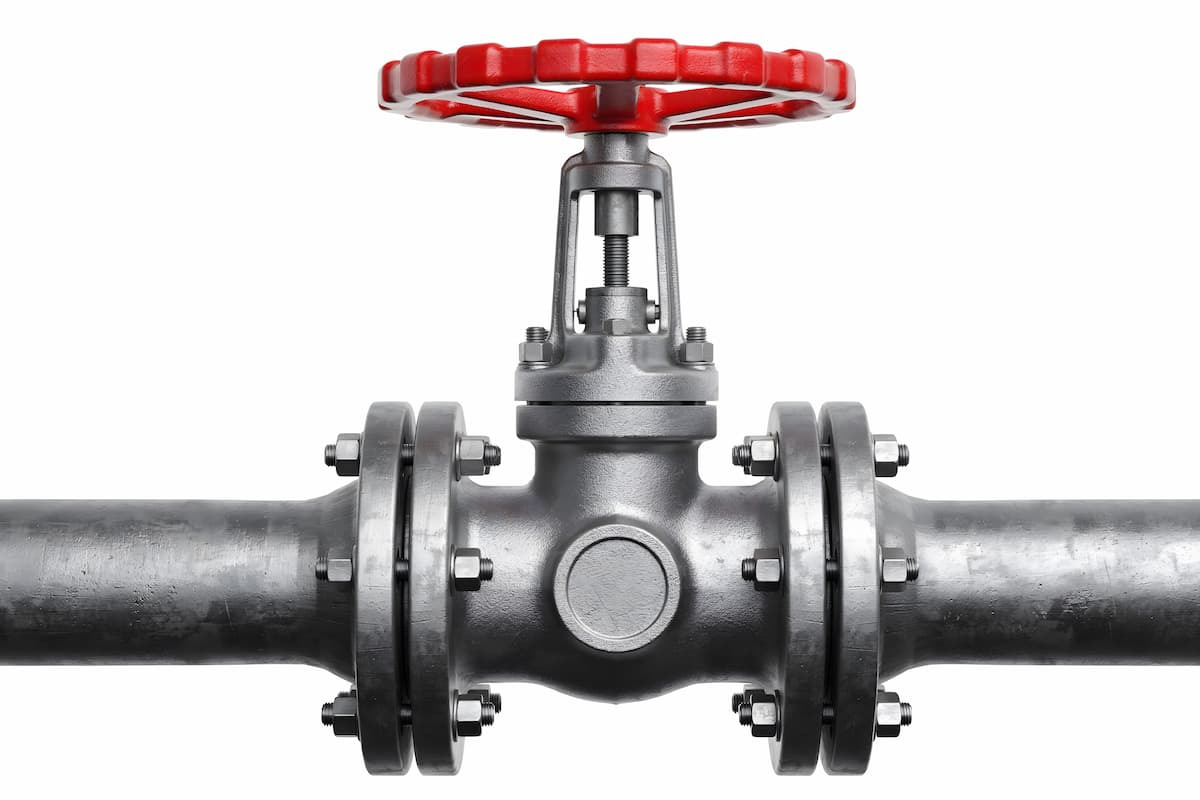
- Turn off the stopcock if the water keeps rising and you cannot find the isolation valve.
- Open a window for ventilation and call an emergency plumber.
- AVAILABLE 24/7 CALL US TODAY!
- TAP TO CALL
- 020 34752302
What not to flush – the main culprits
The vast majority of blocked toilet call-outs in London are caused by the same handful of items. None of these should ever go down a toilet, even if the packaging says “flushable”:
- Wet wipes (including baby wipes and so-called “flushable” wipes – they do not break down).
- Kitchen roll, tissues and paper towels.
- Sanitary products, tampons and applicators.
- Nappies and nappy liners.
- Cotton buds, cotton wool and dental floss.
- Condoms.
- Cooking fats, oils and food waste.
- Hair clippings.
These items combine with grease and limescale in London’s hard-water pipework to form “fatbergs” – Thames Water removes hundreds of these from London sewers every year, many starting in domestic toilets.
Why you should avoid using strong chemicals
Reaching for a bottle of caustic drain unblocker on a blocked toilet is one of the most common – and most damaging – mistakes. Here is why we strongly recommend against it:
- It rarely works. Most blockages are physical (wipes, sanitary items) not chemical, so caustic products cannot dissolve them.
- It is dangerous. When the plumber arrives and removes the blockage, splashes of caustic chemical can cause serious chemical burns.
- It damages the porcelain, the wax seal beneath the pan and older lead or cast-iron pipework downstream.
- It harms the environment. Strong drain chemicals end up in the Thames.
- It can void the manufacturer warranty on modern dual-flush toilets.
If you must try something before calling, a gentle hot (not boiling) water and washing-up liquid mix poured slowly into the bowl is far safer and often loosens a soft blockage.
Common causes of blocked toilets in London
- Wet wipes and sanitary items – by far the biggest cause.
- Too much toilet paper in one flush, particularly with low-flow dual-flush toilets.
- Children flushing toys, dummies or hairbrushes.
- Limescale build-up in older London pipework reducing internal diameter.
- Tree roots entering Victorian clay drains – common in older terraces with mature front gardens.
- Collapsed or damaged drains in conversions and older blocks.
- Shared soil stack issues in mansion blocks where one neighbour’s blockage backs into another flat.
Blocked toilet in a flat or rented property
If you rent, the responsibility split depends on the cause:
- Landlord pays if the blockage is caused by failing pipework, an old toilet, tree roots, a collapsed drain or a shared soil stack issue.
- Tenant pays if the blockage is caused by misuse – flushing wet wipes, sanitary items, nappies or non-flush items.
- Always notify the landlord or letting agent in writing before calling out a plumber, unless the blockage is causing flooding and you cannot reach them.
- Keep the plumber’s job sheet – it will state the likely cause and that determines who pays.
In a flat, if sewage is backing up into your bath or sink from elsewhere, the problem is usually in the shared soil stack or main drain – that is a freeholder / managing agent responsibility, not yours.
Blocked toilet in a restaurant, office or shop
For commercial premises, a blocked toilet is almost always an emergency because:
- You may have to close to customers under HSE workplace welfare regulations.
- Restaurants and food businesses risk a Food Standards Agency hygiene downgrade.
- Tenants in commercial leases usually have a contractual obligation to keep facilities working.
- Blockages in commercial premises are often caused by grease and food waste in a shared waste stack – needing power jetting rather than plunging.
We attend commercial blocked toilet call-outs across central London on a fully discreet, after-hours basis where requested.
Signs the problem may be in the main drain
If multiple fittings are misbehaving at once, the blockage is probably downstream of the toilet in the main drain or soil stack. Tell-tale signs include:
- The bath, shower or kitchen sink gurgling or filling with dirty water when the toilet is flushed.
- Sewage smells coming from multiple plug holes.
- An outside drain or manhole at the property boundary overflowing.
- Multiple toilets in the same building affected at the same time.
Main drain blockages usually need CCTV inspection and power jetting – not a plunger. In some cases the responsibility lies with Thames Water if the blockage is in a shared lateral drain beyond your property boundary.
- AVAILABLE 24/7 CALL US TODAY!
- TAP TO CALL
- 020 34752302
What an emergency plumber will do
A trained engineer will work through a structured process rather than just plunging blindly:
- Assessment – is the blockage in the pan, the trap, the soil pipe or the main drain?
- Hand augering with a closet auger for blockages in the pan or trap.
- Electric drain rods for blockages further down the soil pipe.
- CCTV drain inspection if the blockage repeats or there are signs of a main drain issue.
- Power jetting for fat, scale or root intrusion in main drains.
- Wax-seal replacement if the toilet had to be pulled.
- Written job sheet noting cause – useful for insurance and landlord disputes.
Can a blocked toilet be fixed the same day?
In the vast majority of cases, yes. Standard pan and trap blockages are cleared within 30–60 minutes on the first visit. Where the toilet has to be pulled and re-seated, expect 1–2 hours. Main drain blockages needing CCTV survey and power jetting can take 2–4 hours but are still usually finished on the same day. A 24 hour plumber London service like ours means you do not have to wait until Monday morning to get the bathroom working again.
How to prevent another blocked toilet
- Only flush the three Ps – pee, poo and (toilet) paper. Nothing else, ever.
- Keep a small bin with a lid in every bathroom for wipes, sanitary items and cotton buds.
- Use the half-flush button when full flush is not needed – but the full flush when it is, especially for paper.
- Descale toilets and traps annually in London’s hard-water areas using a citric-acid-based limescale remover.
- Teach children that toys, dummies and hairbrushes are not for the toilet.
- If you live in an older property with mature trees nearby, ask for a CCTV drain survey every 3–5 years to catch root intrusion early.
Why choose emergencyplumber.london
When you call us about a blocked toilet plumber London emergency, you get:
- A real engineer answering the phone in under 60 seconds, 24/7.
- Gas Safe registered drainage specialists at your door in under 60 minutes across zones 1–4 – from Westminster and Camden to Hammersmith and Ealing.
- Fully equipped vans with hand augers, electric rods, CCTV camera and power jetting kit.
- Transparent pricing, card payment on site and a written job sheet for insurance or landlord claims.
- 12-month workmanship guarantee on every drainage repair.
Call now for blocked toilet help in London
If your toilet is overflowing or blocked, do not pour chemicals down it and do not keep flushing – call 020 3475 2302 any time, day or night, or request a callback online. A Gas Safe engineer from Emergency Plumber London will be on the way fast, with a clear price up front and the right kit to clear the blockage on the first visit.
Frequently asked questions about blocked toilets in London
Is a blocked toilet always an emergency?
No – if you have a second working toilet and the blockage is isolated, you can usually wait until normal working hours. It is an emergency if the toilet is overflowing, it is your only toilet, sewage is backing up elsewhere, or you run a business that needs it.
How do I stop a toilet from overflowing?
Lift the cistern lid and push the float arm up, or close the small isolation valve on the supply pipe behind the toilet (quarter turn with a flat screwdriver). Do not flush again until the blockage is cleared.
Can I use drain unblocker chemicals on a blocked toilet?
We strongly recommend against it. Most toilet blockages are physical, not chemical, so caustic products rarely work and can cause chemical burns when the plumber removes the blockage. They also damage porcelain, wax seals and older pipework.
How much does it cost to unblock a toilet in London?
A simple plunger or auger clearance is typically £90–£240 depending on time of day. Pulling and re-seating the toilet costs £180–£320. Main drain blockages needing power jetting can reach £480. Prices can vary depending on the job and complexity.
Are wet wipes really the problem?
Yes – even those labelled “flushable”. They do not break down like toilet paper and they bind with grease in London’s pipework to form fatbergs. Thames Water consistently lists wet wipes as the number-one cause of sewer blockages in the capital.
Who pays for a blocked toilet in a rented flat?
The landlord pays if the cause is failing pipework, tree roots or a shared drain issue. The tenant pays if the cause is misuse (wet wipes, sanitary items, nappies). The plumber’s written job sheet will note the cause.
What if the bath and sink also gurgle when I flush?
That points to a main drain blockage downstream of the toilet, not a problem in the toilet itself. You will likely need CCTV inspection and power jetting rather than plunging.
How quickly can an emergency plumber clear a blocked toilet?
Standard pan and trap blockages are usually cleared in 30–60 minutes on the first visit. Main drain blockages needing CCTV and jetting can take 2–4 hours but are still usually finished the same day.
- AVAILABLE 24/7 CALL US TODAY!
- TAP TO CALL
- 020 34752302