Request Job Estimate
 Tap to Call
Introduction
The debate around bidet vs toilet paper is no longer confined to continental Europe or East Asian bathrooms. Across the UK, growing numbers of homeowners are rethinking their personal hygiene habits and asking whether water cleaning genuinely offers something that dry wiping cannot. Whether prompted by environmental concern, a desire for improved bathroom comfort, or simply curiosity about modern bathroom technology, the question is reaching British households in a meaningful way. London, in particular, is seeing increased interest in contemporary bathroom upgrades — from compact apartment bathrooms to full family home refurbishments. This guide examines the hygiene, comfort, cost, and environmental dimensions of both approaches, offering practical, evidence-based insight so you can decide which option suits your household, your values, and your bathroom.
What Is a Bidet and How Does It Work?
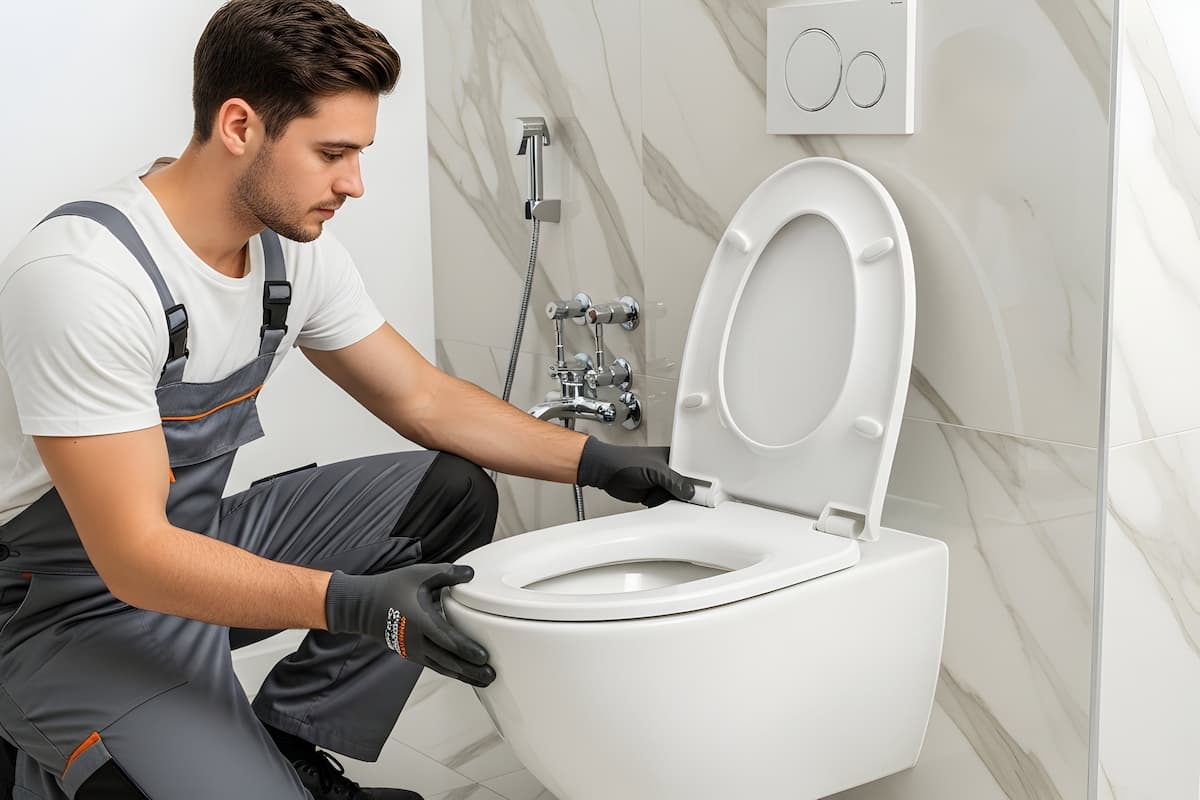
A bidet is a bathroom fixture designed to clean the perineal area using a directed stream of water after using the toilet. The term covers a range of products: freestanding bidet units positioned beside the toilet, bidet toilet seats that replace a standard seat, and bidet attachments that connect to an existing toilet with minimal disruption.
Modern bidet toilet seats often include adjustable water temperature, pressure controls, warm-air drying functions, and self-cleaning nozzles. Entry-level bidet attachments, by contrast, are simple mechanical devices that connect to the existing cold water supply and require no electrical connection. This range of options means bidet systems are suitable for everything from modern flats with compact bathrooms to larger family homes undergoing a full renovation.
If you are considering fitting a bidet system for the first time, understanding how bidets work and their practical benefits will give you a useful starting point before you commit to a product or installation approach.
Traditional Toilet Paper Habits: What Are We Actually Comparing?
Toilet paper has been the standard approach to post-toilet hygiene in the UK for generations. It is universally available, requires no installation, and is familiar. However, dry wiping using paper has practical limitations that are rarely examined honestly. Paper can smear rather than clean, particularly with softer or more liquid waste. Repeated wiping to achieve cleanliness can cause skin irritation, especially for individuals with sensitive skin, haemorrhoids, or inflammatory bowel conditions.
The reliance on toilet paper also carries significant environmental and financial costs. UK households spend a considerable amount on paper products annually, and the production of toilet paper requires substantial water consumption, tree harvesting, and chemical processing — costs that are often invisible to the end user.
Hygiene Comparison: Are Bidets Cleaner Than Wiping?
This is the question at the heart of the bidet vs toilet paper discussion. From a basic hygiene standpoint, washing with water is generally considered more thorough than dry wiping. Dermatologists and continence specialists have long recognised that water cleaning reduces residual contamination more effectively than paper alone.
Bidet vs dry wiping hygiene comparisons consistently highlight several practical points. Water reaches areas that paper cannot access without aggressive wiping. The cleaning action is gentler, reducing the risk of micro-abrasions on sensitive skin. Bidet systems with self-cleaning nozzles and sealed components maintain sanitary operation between uses.
That said, bidets are not infallible. Nozzle hygiene matters — particularly on shared household units — and improper technique can introduce rather than remove contamination. Most quality bidet toilet seats address this with automatic pre- and post-rinse nozzle cleaning cycles. For households where hygiene standards are a priority, a properly maintained bidet system represents a meaningful step up from paper-only habits.
Comfort Comparison: Which Is More Comfortable to Use?
Comfort is a significant factor for many people when considering bidets vs traditional toilet paper habits. Users with conditions including haemorrhoids, anal fissures, irritable bowel syndrome, or post-operative sensitivity frequently report that water cleaning is substantially more comfortable than wiping. The same applies to elderly users, pregnant women, and individuals with limited mobility who may find reaching and wiping physically difficult.
For everyday users without existing conditions, modern bidet toilet seats with heated water and warm-air drying functions tend to be regarded as a clear comfort improvement once the initial unfamiliarity passes. Adjustable water pressure allows users to set the system to a comfortable level, making the experience gentle rather than startling.
Environmental Impact: Toilet Paper vs Bidet
The environmental impact of toilet paper vs bidet use is one of the most compelling arguments for water-based cleaning. Global toilet paper production consumes enormous volumes of water, contributes to deforestation through virgin wood pulp sourcing, and generates significant carbon emissions through manufacturing and transportation. In the UK alone, millions of rolls are used and discarded every day.
A bidet uses water directly — typically a fraction of a litre per use — compared with the water embedded in the production of toilet paper, which some estimates place at well over 100 litres per roll when accounting for the full manufacturing process. Bidets also eliminate the packaging waste associated with paper products and reduce the volume of material entering the sewage system, which has indirect benefits for drainage infrastructure.
For London homeowners exploring modern bathroom refurbishment options with sustainability in mind, integrating a bidet system is a practical and relatively straightforward environmental improvement compared with other renovation choices.
Cost Considerations: Bidet vs Wiping Cost Comparison
The upfront cost of a bidet is the most obvious financial consideration. A basic bidet attachment can cost as little as £25–£50. Mid-range bidet toilet seats with temperature control and drying functions typically range from £150 to £400. Premium electronic bidet seats from established manufacturers can exceed £500, with installation costs added where professional plumbing work is required.
Set against this, UK households spend on average £40–£80 or more on toilet paper annually, with larger families spending considerably more. Over five to ten years, a mid-range bidet system is likely to recover its cost and generate ongoing savings — particularly as toilet paper prices continue to rise with inflation.
There are additional savings to consider: reduced blockage risk (paper-related blockages are a common plumbing call-out), less cleaning product use for the toilet bowl, and potentially lower spend on moist wipes, which many households use in combination with paper.
| Factor | Toilet Paper | Bidet System |
|---|---|---|
| Hygiene | Adequate for most users; limited thoroughness | More thorough water cleaning; reduced residue |
| Comfort | Can cause irritation with repeated use | Gentler; adjustable; beneficial for sensitive skin |
| Cost (Annual) | £40–£100+ ongoing | Low ongoing cost after initial investment |
| Convenience | No installation required | Requires setup; minimal once fitted |
| Environmental Impact | High (water, trees, packaging) | Low ongoing; small upfront manufacturing cost |
Health Considerations: What the Evidence Suggests
When examining the health benefits of bidet vs toilet paper, it is important to be measured rather than absolute. Bidets are not medical devices and should not be presented as treatments for specific conditions. However, there is reasonable evidence that water cleaning can reduce irritation, support recovery from certain anorectal conditions, and improve comfort for individuals with chronic digestive conditions.
Urological health professionals have noted that bidets may be beneficial for individuals prone to urinary tract infections if used correctly — front-to-back cleaning is important for female users. Elderly users and those with limited dexterity may find a bidet seat significantly improves independence and dignity in bathroom use. Paediatric adoption requires appropriate supervision and nozzle adjustment for smaller children.
Cultural Differences: Bidet vs Wiping Around the World
Understanding why bidets are standard in some countries helps contextualise the UK's relatively late adoption. In Japan, South Korea, Italy, France, Portugal, the Middle East, and across South and Southeast Asia, water-based cleaning is the cultural norm. In Japan, over 80% of households have a bidet toilet seat. In the Middle East and South Asia, water cleaning has been the standard hygiene practice for centuries, often using a hand-held bidet shower rather than a fixed unit.
The UK, North America, and Australia have historically relied on toilet paper, partly due to infrastructure norms and partly due to cultural inertia. This is shifting. The global pandemic-era toilet paper shortage introduced many UK households to bidet attachments for the first time, and the experience led a number of those households to continue using them permanently. Awareness of environmental impact has accelerated this trend further.
| Habit | Traditional Paper Use | Modern Bidet Use |
|---|---|---|
| Cleaning Method | Dry wiping with paper | Water stream; optional paper dry |
| Environmental Load | High paper consumption | Minimal paper; low water use per cycle |
| Ongoing Cost | Recurring weekly spend | Negligible after installation |
| Hygiene Outcome | Variable; dependent on technique | Consistent; less technique-dependent |
| Cultural Prevalence | UK, USA, Australia | Japan, Italy, Middle East, South Asia |
| Adoption Trend | Declining in some markets | Growing across Western Europe and UK |
How to Use a Bidet for the First Time
For those switching from toilet paper to bidet for the first time, the experience can feel unfamiliar. Here is a straightforward process for first-time users:
- Use the toilet as normal.
- Locate the bidet controls — nozzle position, water pressure, and temperature (where applicable).
- Start with low water pressure and adjust to a comfortable level.
- Allow the water stream to clean the area for several seconds.
- If your bidet has a warm-air drying function, use it; otherwise, pat dry with a small amount of toilet paper or a dedicated cloth.
- Ensure the nozzle retracts or that the unit self-cleans after use where this is a feature.
Most users find the adjustment period is short — typically a few uses — after which the process feels natural and the idea of returning to paper-only wiping becomes less appealing.
Integrating a Bidet Into Your Bathroom
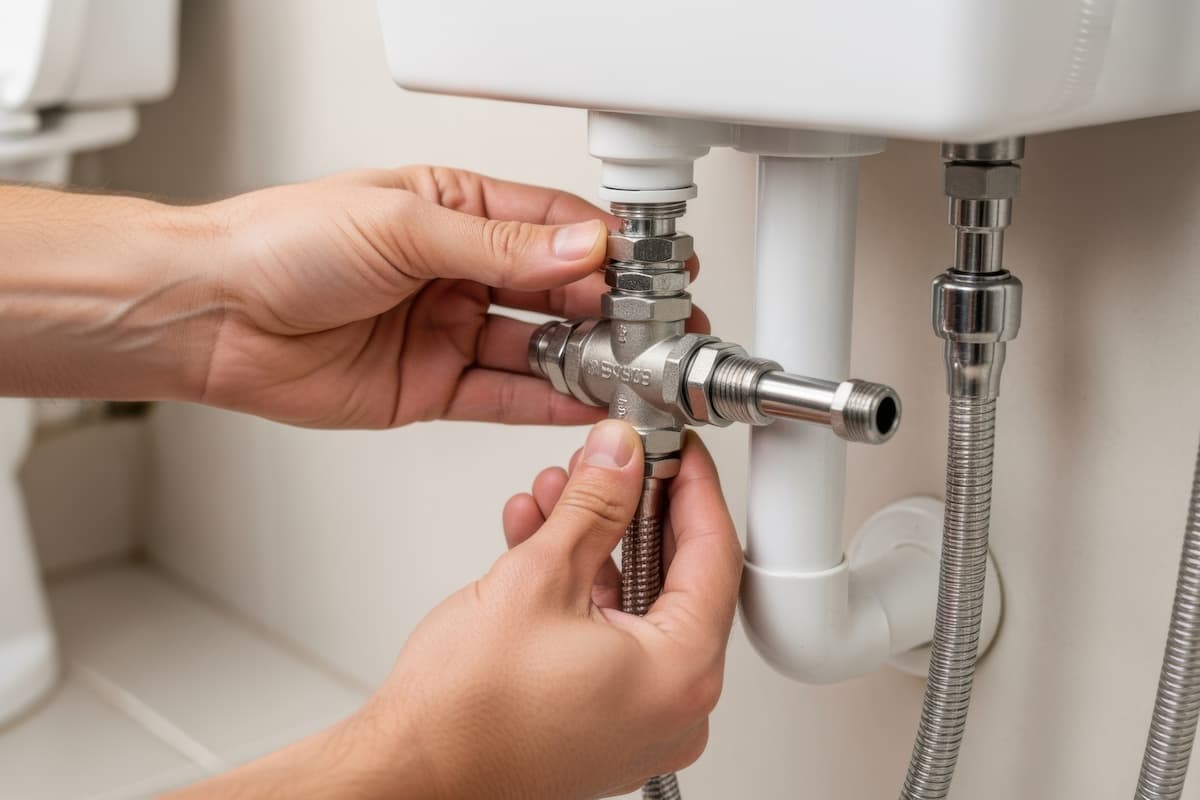
Adding a bidet to an existing bathroom is more straightforward than many homeowners expect. Bidet attachments require only a connection to the toilet's water supply valve and no electrical work. Bidet toilet seats with electronic functions require a nearby power outlet with appropriate protection for bathroom use.
For new bathroom builds or renovations, freestanding bidet units can be incorporated into the design with appropriate hot and cold water supplies. This involves more substantive plumbing work and should be planned alongside your overall bathroom layout. Understanding bathroom installation considerations early in the planning process will help you determine whether a freestanding bidet or a combined bidet toilet seat better suits your space and budget.
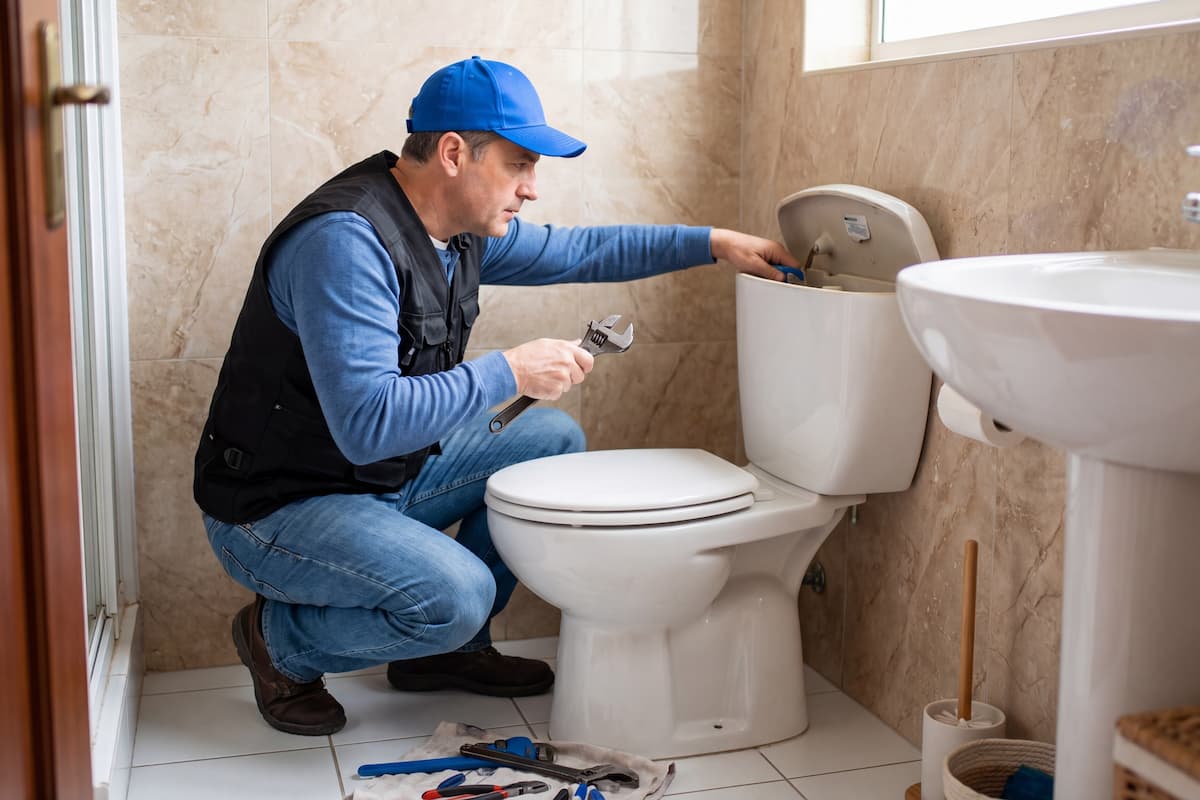
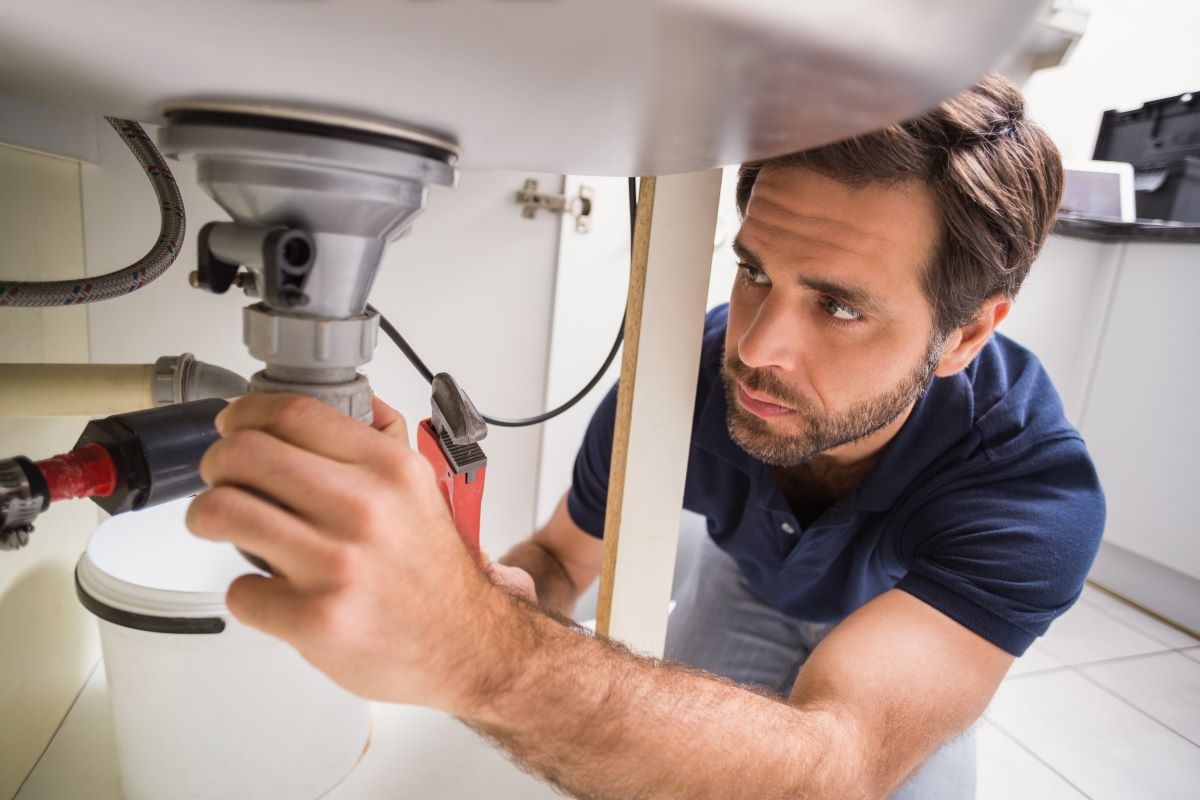
Where plumbing modifications are required — particularly in older London properties where pipework may need rerouting — professional plumbing installation ensures connections are made safely and in compliance with current Water Regulations, preventing the risk of contamination of the water supply or inadequate pressure.
Common Misconceptions About Bidets
Several myths persist around bidet use in the UK, and addressing them directly helps homeowners make accurate decisions.
"Bidets are unhygienic." Modern bidet systems are designed with hygiene as a primary consideration. Self-cleaning nozzles, closed nozzle housing, and sealed water pathways minimise contamination risk. Maintained correctly, a bidet is no less hygienic than other bathroom fixtures.
"Bidets use more water than toilet paper." This is incorrect when considering the full water cost of toilet paper production. A bidet uses a small volume of clean water per cycle; manufacturing toilet paper uses vastly more water per unit.
"Bidets are only for women." Bidets are designed for all users. Many men who try a bidet report preferring it for both comfort and cleanliness.
"Installing a bidet is complicated." Entry-level bidet attachments require no professional installation. More advanced units benefit from professional fitting but are a standard bathroom plumbing task for a qualified plumber.
Long-Term Maintenance and Practical Ownership
Like all bathroom fixtures, bidet systems require periodic maintenance. For basic bidet attachments, this means regular cleaning of external surfaces and occasional checks on the supply hose connection. For electronic bidet seats, filter replacement (where applicable), nozzle cleaning, and inspection of the power connection are recommended.
Where bidet systems are part of a broader bathroom upgrade, professional bidet installation services can assess existing pipework, identify any pressure or flow issues, and ensure the installation remains in good working order over time.
Making the Decision: Is a Bidet Right for You?
The bidet vs toilet paper comparison does not produce a single universal answer, because the right choice depends on your household, your values, and your bathroom configuration. What is clear is that bidets offer demonstrable advantages in hygiene thoroughness, comfort for sensitive users, long-term cost reduction, and environmental footprint. Toilet paper remains convenient and universally understood, but its limitations — both practical and environmental — are increasingly difficult to ignore.
For London homeowners considering a bathroom upgrade, a bidet system is one of the most cost-effective and practically impactful changes that can be made. Whether you begin with a simple bidet attachment or plan a full contemporary bathroom renovation, the shift towards water-based cleaning is one that many households do not reverse once made.
Frequently Asked Questions
Do bidets completely replace toilet paper?
Not necessarily. Many bidet users reduce their toilet paper use by 70–90% but retain a small amount for drying if their bidet lacks a warm-air dryer. Some users switch entirely to a reusable cloth for drying. It depends on personal preference and the bidet system fitted.
Are bidets suitable for children?
Yes, with appropriate supervision and adjustment. Water pressure should be set low for young children, and parental guidance is recommended until children are comfortable using the controls independently.
Are bidets suitable for elderly users?
Bidets can be particularly beneficial for elderly users, improving hygiene and independence when reaching and wiping is physically difficult. Heated seat and warm water functions add additional comfort.
Do bidets work in hard water areas like London?
Yes, though limescale build-up in nozzles and internal components can occur over time in hard water areas. Regular cleaning and descaling maintain performance. Some bidet seats include filter systems that reduce this effect.
Can I use a bidet if I have a standard toilet with no nearby power outlet?
Yes. Non-electric bidet attachments connect to the toilet's cold water supply and require no power outlet. For heated water and drying functions, an appropriately protected power outlet is needed nearby.
Will fitting a bidet affect my water pressure?
In most properties, a bidet attachment has minimal impact on overall water pressure. If your home has particularly low water pressure, a plumber can assess whether additional adjustment is needed before installation.
Are bidets easy to keep clean?
Generally yes. Most modern bidet seats have self-cleaning nozzles and smooth surfaces that wipe down easily. Basic bidet attachments require manual cleaning of accessible surfaces. Following manufacturer guidance keeps units hygienic.
What happens when I travel if I am used to a bidet at home?
Many bidet users carry a small travel bidet — a handheld squeeze bottle — when travelling. Portable travel bidets are inexpensive and widely available online, maintaining hygiene habits away from home.
Is a bidet attachment difficult to install yourself?
Basic non-electric bidet attachments are designed for DIY installation and typically require only a spanner and fifteen to thirty minutes. Electronic bidet seats may require more careful installation and access to a suitable power outlet, where professional fitting is advisable.
How long does a bidet last?
Quality bidet attachments typically last five to ten years with basic maintenance. Electronic bidet seats from reputable manufacturers are generally rated for similar lifespans. Build quality, water hardness, and maintenance frequency all affect longevity.
Thinking About Upgrading Your Bathroom?
If this article has helped you understand the practical differences between bidets and toilet paper and you are considering making a change in your own home, the next step is straightforward. Whether you are exploring a simple bidet attachment, planning a full bathroom renovation, or simply want professional advice on what would work in your property, speaking with a qualified bathroom plumbing specialist ensures you make the right decision for your space and budget.
For tailored guidance on your property's layout and water supply setup, speak with experienced home plumbing specialists before finalising your bidet upgrade plan.
Safety Disclaimer
The information contained in this article is provided for educational and informational purposes only. Bathroom fixtures, bidet systems, plumbing configurations, and installation requirements vary between properties. Water Regulations in the UK govern how bidet systems must be connected to domestic water supplies to prevent contamination risk. Any plumbing modifications, new fixture installations, or alterations to existing bathroom pipework should be assessed and carried out by a qualified professional where appropriate. Always consult a registered plumber before making changes to your bathroom plumbing.